Choosing the right fence height is not just about setting boundaries, as it is about creating an outdoor space that fits your lifestyle, enhances security, and adds value to your property. Whether you are considering a new fencing installation or replacing an aging fence, making this decision can seem straightforward on the surface. Yet as any skilled fence contractor in College Station Texas or nearby Bryan will tell you, several critical factors come into play.
Fencing is more than just a physical division between properties; it serves various roles, from deterring unwanted visitors and keeping pets safely contained to providing privacy and improving curb appeal. In thriving Texas communities like College Station and Bryan, where backyards are cherished and property values are on the rise, the right fencing solution can make a world of difference in both function and aesthetics.
But what determines the best fence height for your home or business? It is not a one-size-fits-all answer. Local ordinances, neighborhood guidelines, personal preferences, and even landscape features must be considered. You will also want to weigh practical needs, like safeguarding children or pets, against your desire for seclusion or open views. Plus, working with a reliable fence contractor familiar with the unique climate and regulations of College Station and Bryan Texas can steer you in the right direction.
Understanding these decision points is essential, not just to avoid future headaches or costly changes, but so that your fencing aligns with your long-term vision for your property. If you are searching for guidance from an expert fencing contractor or are a DIY enthusiast hoping to get it right the first time, you are in the right place.
In this article, we will walk you through the four most important things to consider when deciding on the right fence height. We will discuss the pros and cons of different heights, explore how local ordinances can impact your choices, and examine why working with a knowledgeable fencing contractor in College Station or Bryan can save you time and money.
Let's find out how you can make an informed decision that brings peace of mind, privacy, and lasting beauty to your Texas property.
1. Local Laws, HOA Guidelines, and Permits – Do Not Get Caught Off Guard
Before purchasing materials or scheduling a fencing contractor, always check your local regulations. In College Station and Bryan Texas, both municipal codes and homeowners association or HOA rules play a significant role in dictating the maximum and sometimes minimum allowable fence heights.
- City Codes: In many Texas communities, front yard fences are restricted to lower heights of often three to four feet to preserve sightlines for drivers and pedestrians. Backyard or side-yard fences typically allow greater height, usually up to six or eight feet. For example, in College Station, city ordinances stipulate maximum heights and may require see-through designs for certain zones.
- HOA Guidelines: If you live in a neighborhood with an active HOA, their fencing requirements may be even stricter than city ordinances. Some HOAs in both College Station and Bryan regulate height, materials, colors, and even the design of the fence. Violating these rules can lead to costly fines or mandates to remove and replace non-compliant fencing.
- Permits: Depending on the planned height or location, you may need a permit. Hiring a professional fence contractor comes in handy here as they are familiar with the specific permitting processes and can streamline approvals, reducing the risk of project delays.
Not sure where to start? Most fencing contractors in College Station and Bryan offer consultation services to help you interpret these regulations and pull the right permits, taking the guesswork out of compliance.
2. Privacy, Security, and Your Unique Needs
Deciding the ideal height often comes down to your goals for the space. Are you looking to block the view from neighbors and passersby or keep your yard open and airy? Do you need a barrier against intruders or is containment for pets and children your top priority?
- Privacy: A six-foot privacy fence is a popular choice for many homeowners in College Station and Bryan. This height is typically sufficient to shield your backyard from view, create a secluded atmosphere, and reduce outside noise.
- Security: If security is a concern, a taller fence can deter trespassers. Some property owners opt for fences as high as eight feet, especially near commercial areas or alleyways. Of course, always check local guidelines so that you do not exceed height restrictions.
- Pets and Children: For small pets, a three or four-foot fence may suffice. Energetic dogs or curious children need taller options of usually at least 5 or 6 feet to keep them safely contained.
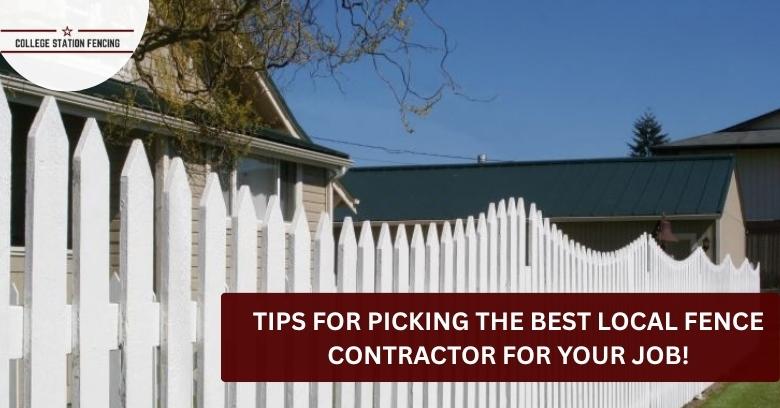
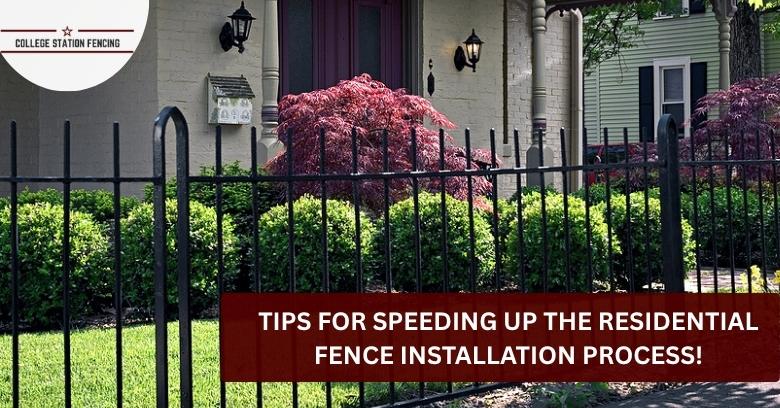
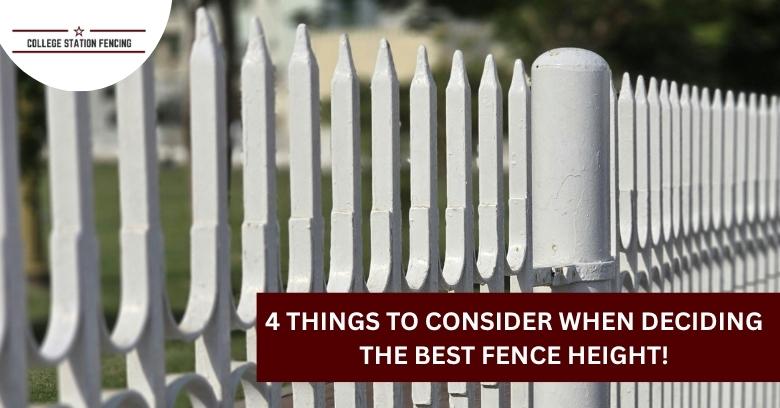
- Views and Aesthetics: Sometimes, homeowners want to maintain scenic views or keep things visually open. In such cases, a lower or semi-private fence, such as picket or wrought iron, may strike the right balance between form and function.
Discussing your goals with a professional fence contractor can help you weigh these factors and choose the height that suits your property and lifestyle, all while remaining in compliance with local requirements.
3. Landscape Features and Property Lines – Measure Twice, Build Once
Another crucial consideration is your unique landscape and property configuration. The topography of your yard such as sloping ground, trees, or existing structures can impact both the appearance and effectiveness of your fence at different heights.
- Sloped Yards: If your property is not perfectly level, a fence that appears standard height at one end may look much taller or shorter at the other. In hilly neighborhoods of Bryan and College Station, professional fence contractors have experience with stepped or racked fence designs that follow the natural grade.
- Obstacles: Mature trees, flowerbeds, outbuildings, or retaining walls can affect the optimal placement and height of your fence. Consider whether you want your fence to blend with landscape features or stand apart as a design element.
- Property Lines: Accurate identification of property boundaries is critical. Building over the line can result in disputes with neighbors and potentially legal consequences. A knowledgeable fence contractor will help you obtain a recent survey or mark property lines before installation begins.
- Elevation Changes and Drainage: A good fencing plan accounts for water flow and soil erosion. Leaving adequate ground clearance of usually two inches at the bottom prevents rot and allows for easy yard maintenance, especially during rainy Texas seasons.
Taking time to analyze your property's specific needs will not only help you pick the right fence height but also see that to the longevity and beauty of your new fencing.
4. Material Matters – How Fence Height and Material Choices Interact
The height of your fence influences which fencing materials are most practical, durable, and visually appealing. The right material complements your home's architecture, withstands the Texas climate, and withstands the wear and tear of daily use.
- Wood Fences: A classic in the College Station and Bryan Texas areas, wood offers a warm, natural look and can be constructed at virtually any height. Six-foot cedar privacy fences are especially popular, but exposure to moisture and sun means regular sealing or staining is a must.
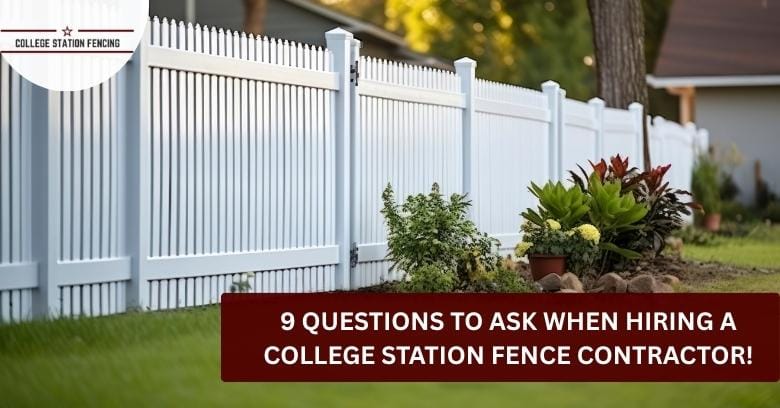
- Vinyl Fencing: Vinyl is low-maintenance and available in various heights and styles, making it ideal for six-foot privacy or shorter decorative fencing. Vinyl panels are also less prone to warping or insect damage, a useful feature during humid Texas summers.
- Chain Link Fencing: For utility or security purposes, chain link fencing often ranges from 4 to 8 feet in height. It is a budget-friendly choice for large backyards, commercial lots, or pool enclosures. Privacy slats or climbing plants can be added for increased seclusion.
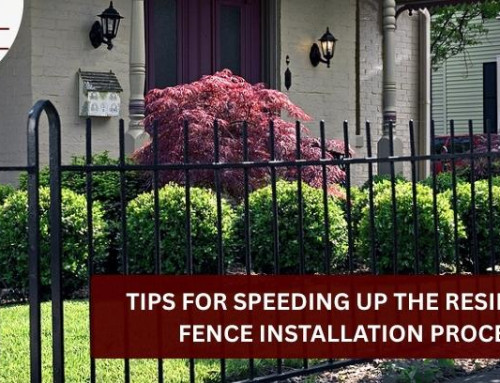
- Metal Fences: Wrought iron or aluminum fencing offers durability and a sophisticated appearance. Decorative metal fences are common in front yards throughout College Station and Bryan, especially at lower heights of three to four feet. For more privacy, some homeowners combine metal with stone or brick.
- Composite and Other Materials: Modern composite fencing can mimic the look of wood or stone at any height, offering greater resilience and color retention.
It is important to choose a material that supports your desired height without sacrificing structural integrity. Taller fences require sturdy posts and quality installation techniques, prime areas where a skilled fence contractor can make a difference.
Conclusion
Selecting the right fence height is about more than just looks. It is a crucial decision that affects your privacy, security, and your property's overall value. College Station Texas and the neighboring city of Bryan have unique zoning requirements, HOA rules, and climate considerations that make working with an experienced fence contractor invaluable.
By factoring in local laws, your specific goals for privacy and security, the unique features of your landscape, and your preferred fencing material, you will be well-equipped to make an informed choice. Do not leave such an important investment to chance. Seek guidance from a local fencing professional who understands your community's guidelines and can tailor solutions to fit your needs.
Ready to enhance your property with the perfect fence? Reach out to a trusted fence contractor in College Station or Bryan Texas today for a personalized consultation and take the first step toward a more beautiful, secure outdoor space!
Key Takeaways
- Always Check Local Regulations First: Whether you are in College Station or Bryan, city ordinances and HOA guidelines can set strict limits on fence heights. Avoid costly mistakes by confirming these rules before beginning any fencing project.
- Balance Privacy with Aesthetics: Taller fences provide greater privacy and security, but may block scenic views or natural light. Discuss your lifestyle needs and aesthetic preferences with your contractor to find the right compromise.
- Consider Your Unique Landscape: The slope of your yard, the presence of trees, and the proximity to existing structures can affect the appearance and effectiveness of various fence heights. Professional contractors can recommend designs that accommodate uneven terrain.
- Material Influences Height Options: Some fencing materials, such as wood or vinyl, accommodate a range of heights, while others such as wrought iron are best for shorter, decorative fences. Choose a material that matches your desired height and maintenance expectations.
- Consult a Professional Fence Contractor for Expert Guidance: Local professionals are familiar with College Station and Bryan's rules, climate challenges, and popular styles. They can help you avoid pitfalls and have a durable, beautiful install.
- Measure Property Lines Accurately: Building on or near your neighbor's land can lead to disputes. Always verify your property boundaries before installation and have them marked if necessary.
- Factor in Pets and Kids: Families with dogs or young children should opt for higher fencing solutions of typically at least 5 or 6 feet for safety and peace of mind.
- Account for Drainage and Maintenance: Leave adequate clearance beneath your fence to allow water to flow and for easy mowing. Proper foundation work and material choice will reduce long-term maintenance needs.
- Obtain Necessary Permits: Failing to secure permits can delay your project and result in removals or fines. Your local fence contractor can often handle this process for you.
- Long-Term Vision Matters: Choose heights and materials that will age well with your property, enhance curb appeal, and withstand local weather patterns for years to come.
FAQs
1. What is the most common fence height in the College Station Texas area?
Most homeowners in College Station and nearby Bryan choose six-foot-tall privacy fences in their backyards, as this height provides an ideal balance of security and privacy while complying with most city and HOA regulations.
2. Can I build an eight-foot fence in College Station or Bryan Texas?
In some cases you can,but you will need to check local ordinances and obtain the proper permits. Many neighborhoods limit backyard fencing to six or seven feet, so consult a local fence contractor who can make sure your fences are in compliance.
3. Do front yard fences have different height requirements?
Absolutely. Both College Station and Bryan Texas typically restrict front-yard fences to around 3 to 4 feet to maintain clear lines of sight for traffic and preserve neighborhood aesthetics.
4. How do local HOAs affect fence height decisions?
HOAs often enforce their own set of guidelines, which may include stricter height limits, approved styles, or color restrictions. Always review your HOA's rules before finalizing fencing plans.
5. What fencing height is best for homes with dogs?
For most dog breeds, a fence five to six feet high is recommended to prevent jumping or climbing over it. Certain energetic breeds may require even higher fencing for safety.
6. Is a permit required for installing a new fence?
Permit requirements depend on fence height, location, and municipal codes. Your local fence contractor can help determine if your project in College Station or Bryan requires a building permit.
7. What is the best fencing material for tall fences?
Wood and vinyl are popular for privacy fences up to eight feet tall. If you need added security, consider reinforced wood or composite materials that offer durability without warping.
8. Can I install a fence along a sloped yard?
Yes, but the design may need to be stepped or racked to follow the yard's contours. A professional contractor can help design and install fencing that looks great and functions properly, even on uneven terrain.
9. Will my fence contractor handle permits and regulations?
Most dependable fence contractors in College Station and Bryan will navigate the permitting process, double-check local and HOA rules, and handle paperwork for you, simplifying the project from start to finish.
10. How can I make my tall fence look more attractive?
Combine materials like wood with lattice tops, add climbing plants, or choose decorative post caps and trim work. Experienced contractors can suggest design touches that boost curb appeal while meeting your height goals.