
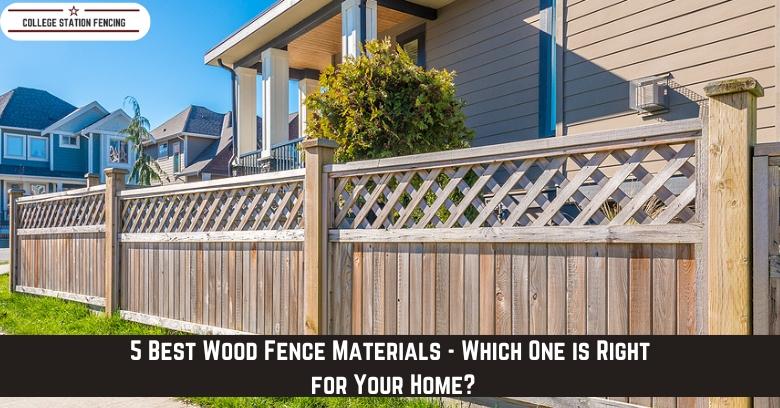
A wood fence is an excellent choice for enhancing the beauty, privacy, and security of your home. In Bryan and College Station Texas, where residents enjoy a mix of warm weather, occasional storms, and a range of architectural styles, selecting the right wood for your fence is crucial. A well-chosen wood material not only boosts curb appeal but also ensures long-lasting durability and low maintenance.
This guide will discuss the top 5 wood fence materials, helping you make an informed decision that aligns with your needs and budget. Whether you'\ are interested in a traditional picket fence or a sturdy privacy barrier, this post will provide you with all the essential information to choose the best wood fence material for your property.
1. Cedar Wood Fencing: The Classic Choice
Cedar is one of the most popular and timeless wood fence materials used in Bryan, College Station, and surrounding areas. It is known for its natural beauty and strength and is often the go-to material for homeowners seeking an elegant yet durable fence.
Why Cedar is a Great Choice for Wood Fence Installation:
- Natural Resistance to Decay: One of the standout features of cedar is its natural resistance to moisture, rot, and pests. This makes it particularly well-suited for areas like Bryan and College Station, where humidity can encourage mold and decay in other types of wood. Cedar's natural oils help preserve its structure, making it a durable choice for a wood fence installation.
- Beautiful Grain and Color: Cedarwood has a rich, reddish-brown color that adds warmth and character to any property. Over time, the wood naturally weathers to a silver-gray patina, offering a charming rustic look. Cedar is an excellent material for homeowners seeking a natural and visually appealing fence.
- Lightweight Yet Strong: Despite being lightweight, cedar is strong and can withstand the elements, including high winds and heavy rains. This strength makes it an ideal material for creating secure and protective boundaries around your home.
- Low Maintenance: Cedar requires minimal maintenance compared to other wood materials. Regular cleaning and periodic sealing will help preserve its look and extend its lifespan. While cedar is resistant to rot, it may require occasional fence repair if exposed to significant damage.
Considerations for Cedar Fencing:
- Cedar can be a bit pricier than other wood types, but its long-term durability and low maintenance often make it a worthwhile investment. Additionally, while it is resistant to rot and pests, it is not immune to damage from extreme weather conditions. Ensuring regular care through sealing and staining can help maintain its beauty and strength.
2. Pressure-Treated Pine: Affordable and Durable
Pressure-treated pine is another popular material used for wood fence installation. This type of wood is specially treated with chemicals to resist decay, termites, and fungal growth, making it a practical and cost-effective choice for homeowners in Bryan and College Station.
Why Pressure-Treated Pine is a Good Option for Fencing:
- Cost-Effective: Pressure-treated pine is one of the most affordable wood fencing materials available. For homeowners who need a reliable, durable fence without breaking the bank, pressure-treated pine is an excellent choice. It offers the strength and protection of other wood materials at a fraction of the cost.
- Enhanced Durability: Thanks to the pressure treatment process, pine wood is highly resistant to decay, pests, and moisture. It is well-suited for the climate in Bryan and College Station, where humidity and heavy rains can impact the lifespan of untreated wood.
- Versatility: Pressure-treated pine is versatile and can be used for a wide variety of fencing applications, from privacy fences to decorative picket fences. It can also be stained or painted to match your home's aesthetic, offering plenty of customization options.
- Long Lifespan: Pressure-treated pine can last for many years if properly maintained, typically between 15 and 20 years. With proper fence repair and sealing, the lifespan of a pressure-treated pine fence can be extended even further.
Considerations for Pressure-Treated Pine:
- Although pressure-treated pine is durable, it is more susceptible to warping and cracking over time, especially if it is not sealed properly. Routine maintenance, such as cleaning, staining, and sealing, is essential to ensure the longevity of the fence. Additionally, while the pressure treatment helps resist pests and decay, pine can still be prone to insect damage if not properly cared for.
3. Redwood Fencing: Premium Quality and Elegance
Redwood is another beautiful and durable wood that is often chosen for high-end fencing projects. It is recognized for its stunning appearance and resilience, offering a premium option for homeowners who want to invest in a high-quality, long-lasting fence.
Why Premium Redwood is an Ideal Choice for Wood Fencing:
- Natural Beauty: Redwood has a rich, reddish hue that gives it a warm, luxurious look. Its grain patterns are elegant and distinctive, adding a touch of sophistication to your property. Over time, redwood ages into a beautiful silver-gray color, providing an appealing, low-maintenance look.
- Natural Resistance to Decay: Like cedar, redwood naturally resists decay, moisture, and pests, making it ideal for use in Bryan and College Station's humid climate. This resilience ensures that your fence will last for decades with minimal maintenance.
- Strength and Durability: Redwood is strong and can withstand the elements, including high winds and rain, making it a great material for creating secure boundaries and privacy fences. It is also less prone to warping and splitting than other wood types, making it a reliable choice for long-lasting fences.
- Sustainability: Redwood is harvested from well-managed forests, and many fencing contractors use sustainably sourced redwood, ensuring that it is an eco-friendly choice for environmentally conscious homeowners.
Considerations for Redwood Fencing:
- The primary downside of redwood is its cost. Due to its premium quality and appearance, it tends to be more expensive than cedar or pressure-treated pine. Additionally, while redwood is naturally resistant to decay and pests, regular maintenance, such as sealing and staining, is still essential to maintaining its longevity and visual appeal.
4. Cypress Wood Fencing: A Southern Classic
Cypress wood is a great choice for homeowners looking for a distinctive, durable wood for their fences. It is appreciated for its resistance to rot and pests, making it a favorite material in Southern states including Texas, where homeowners value its strength and unique look.
Why Cypress is a Great Option for Fencing in Bryan and College Station:
- Natural Durability: Cypress wood contains a natural oil called cypressene, which helps protect the wood from insects, rot, and decay. This makes it ideal for the humid Texas climate, where moisture can easily cause other types of wood to deteriorate.
- Pest Resistance: In addition to its natural decay resistance, cypress is highly resistant to pests, including termites. For homeowners who are concerned about pest damage, cypress provides a strong defense against these threats.
- Distinctive Look: Cypress has a light, golden color that darkens over time to a beautiful brownish hue. Its unique grain patterns and attractive appearance make it an ideal choice for homeowners looking for something a bit different from the typical wood fence.
- Low Maintenance: Because of its natural oils, cypress requires less maintenance than other wood materials. It does not need frequent treatments to resist decay or insects, although periodic sealing will help protect its appearance and extend its lifespan.
Considerations for Cypress Fencing:
- While cypress is durable and naturally resistant to decay, it can be more expensive than pressure-treated pine. Additionally, like other wood types, it can benefit from routine maintenance and fence repair to keep it in top condition.
5. Western Red Cedar: A Premium Option for Beauty and Durability
Western Red Cedar is another premium wood choice that has gained popularity for fencing projects in Bryan and College Station. Known for its natural beauty and weather-resistant properties, Western Red Cedar provides a stunning fence material for homeowners looking to invest in both aesthetics and longevity.
Why Western Red Cedar is Worth Considering:
- Natural Weather Resistance: Like its eastern counterpart, Western Red Cedar has natural oils that protect it from moisture, decay, and pests. This makes it highly resistant to the elements, making it an excellent option for Texas' unpredictable weather conditions.
- Luxurious Look: Western Red Cedar has a beautiful reddish hue and a straight, fine grain that gives it an elegant and classic appearance. Over time, the wood naturally weathers to a silvery-gray tone, maintaining its attractive aesthetic.
- Strong and Sturdy: Western Red Cedar is a strong wood that holds up well to extreme weather conditions. Whether it is intense heat, humidity, or storms, this wood can handle it all without warping or cracking.
- Low Maintenance: Like cedar and cypress, Western Red Cedar requires less maintenance compared to other wood types. Routine inspections and occasional sealing are enough to keep your fence looking great for many years.
Considerations for Western Red Cedar Fencing:
- Western Red Cedar is typically more expensive than pine, but its long lifespan and aesthetic appeal justify the higher price point. Regular maintenance is essential to preserve its look and durability.
Types of Wood Fences for Residential Installation
When deciding on wood fence installation, in addition to choosing a wood species, there are various styles to consider, each offering its own benefits and aesthetic appeal. The style of fence you choose will impact both its functionality and how it enhances the look of your property. In Bryan and College Station Texas, choosing the right style can make a significant difference in your home's curb appeal and functionality. Below are some popular types of wood fences that homeowners commonly install.
- Privacy Fences: Privacy fences are among the most common styles of wood fences. They are built with the slats placed close together to block out visibility, providing complete privacy for your backyard, garden, or pool area. These fences are typically 6 to 8 feet tall and can be made from cedar, pressure-treated pine, or redwood.
- Picket Fences: Picket fences are a traditional and charming choice that adds curb appeal to your front yard or garden. They are characterized by evenly spaced vertical boards (or pickets) that are typically shorter in height, around 3 to 4 feet tall. Picket fences are often associated with classic American home styles and are a great option for decorative purposes.
- Post and Board Fences: Post and board fences offer a simple, sturdy, and attractive solution for homeowners who want a durable fence that still provides a somewhat open appearance. This style is built by attaching horizontal wooden boards to vertical posts, creating a clean and classic look. The boards can be spaced close together for more privacy or further apart for a more open feel.
- Split Rail Fences: Split rail fences are a rustic and natural-looking option that can suit many different types of properties, including farms, ranches, and large residential estates. Made from logs that are split in half and placed horizontally between vertical posts, split rail fences are not designed for privacy but rather for delineating boundaries in a simple yet charming way.
- Shadowbox Fences: Shadowbox fences, also known as "good neighbor" fences, are designed with alternating boards placed on both sides of the fence, creating a semi-private look. They provide a balanced appearance on both sides of the fence, which is perfect if you want to ensure your neighbors get an equally attractive view.
- Lattice-Top Fences: Lattice-top fences combine the strength of a solid privacy fence with the decorative touch of a lattice design at the top. The lattice section is often placed above a solid wood fence and can be used to add visual interest while still providing privacy below. Lattice fences can be used in both front and backyard areas.
Conclusion
Selecting the right wood for your fence is a crucial decision that directly affects your home's security, privacy, and aesthetic value. Whether you choose cedar, pressure-treated pine, redwood, cypress, or Western Red Cedar, each material offers unique benefits suited for various needs and budgets. Additionally, knowing the different styles of wood fences available, such as privacy, picket, split rail, shadowbox, or lattice-top fences, can help you create the perfect look for your property.
In Bryan and College Station Texas, where the weather can be unpredictable, working with an experienced fencing contractor ensures that your fence is built to withstand the elements and last for many years. Whether you are looking for a traditional picket fence, a sturdy privacy barrier, or a rustic split rail fence, the right choice will add both functionality and charm to your home.
Regular wood fence installation and occasional fence repair are essential for maintaining the integrity and appearance of your fence over time. With the right wood material and style, you can create a beautiful, long-lasting fence that adds value and enhances your home's curb appeal.
Ready to install or repair your wood fence in Bryan and College Station? Contact our experienced fencing contractors today! Our team can help you choose the perfect wood material and fence style for your property, ensuring a durable, aesthetically pleasing result that will stand the test of time. Do not wait - get in touch with us today and improve your home's privacy, security, and beauty with a new fence!
Key Takeaways
- Wood Fence Material Options: The best wood materials for fencing in Bryan and College Station Texas include cedar, pressure-treated pine, redwood, cypress, and Western Red Cedar. Each material offers unique benefits in terms of durability, appearance, and resistance to weather conditions.
- Cedar: Cedar is a popular choice due to its natural resistance to decay, beautiful appearance, and low maintenance. It's perfect for homeowners looking for a long-lasting, aesthetically pleasing fence.
- Pressure-Treated Pine: Affordable and durable, pressure-treated pine is an excellent option for homeowners seeking reliable fencing material at a lower cost. Its resistance to pests and moisture makes it a practical choice.
- Redwood: Known for its premium quality and luxurious look, redwood offers both beauty and strength. It's ideal for homeowners willing to invest in a high-end, durable fence.
- Cypress: Its natural oils make it resistant to decay and pests, making it a great choice for Texas homeowners. Its unique golden color adds a distinctive touch to any fence.
- Western Red Cedar: A top-tier material, Western Red Cedar provides excellent weather resistance and an elegant appearance. It is perfect for homeowners looking for a long-lasting, attractive fence.
- Fencing Styles: Various wood fence styles are available, including privacy, picket, split rail, shadowbox, and lattice-top. Each style has its own advantages, depending on your needs for privacy, security, and aesthetics.
- Maintenance: Regular maintenance, including cleaning, staining, and sealing, is essential for ensuring your wood fence's longevity and preserving its appearance. Even the most durable wood materials require occasional upkeep.
- Fence Repair: If your fence experiences damage from weather or pests, it is important to schedule timely fence repairs to maintain its integrity and appearance. A well-maintained fence will provide long-term security and enhance the value of your home.
FAQs
1. What is the best wood for a fence in Bryan and College Station Texas?
The best wood materials for fences in this region include cedar, pressure-treated pine, redwood, cypress, and Western Red Cedar. Each offers durability, weather resistance, and aesthetic appeal, with cedar and redwood being premium options.
2. How long will my wood fence last?
The lifespan of a wood fence depends on the material. Pressure-treated pine typically lasts 15 to 20 years, while cedar and redwood can last 20 to 30 years with proper maintenance. Cypress and Western Red Cedar also have long lifespans if properly cared for.
3. Do I need to maintain my wood fence regularly?
Yes, wood fences require regular maintenance, including cleaning, staining, and sealing. This helps protect them from the elements, prevent rot, and maintain their appearance over time.
4. What are the most common styles of wood fences?
Common wood fence styles include privacy fences, picket fences, split rail fences, shadowbox fences, and lattice-top fences. Each style offers different benefits in terms of privacy, security, and aesthetics.
5. How do I choose the right wood fence material for my property?
Consider your budget, desired aesthetics, and how much maintenance you are willing to do. Cedar and redwood are ideal for a premium look, while pressure-treated pine offers an affordable, durable option. Cypress and Western Red Cedar are also excellent choices for durability.
6. What is the cost difference between cedar and pressure-treated pine?
Cedar is typically more expensive than pressure-treated pine due to its superior quality and natural resistance to decay. Pressure-treated pine is a more budget-friendly option but requires regular maintenance to prevent wear.
7. Can a wood fence help with privacy and security?
Yes, privacy fences are a great way to ensure both privacy and security. These fences are designed with tightly spaced boards, making it difficult for others to see inside your yard. Shadowbox fences offer semi-privacy with airflow, while split rail fences are better suited for boundary marking.
8. How can I prevent my wood fence from warping or cracking?
Seal your wood fence regularly, especially after installation, to prevent warping and cracking. Properly maintaining the wood through cleaning, staining, and sealing helps protect it from moisture, which is the main cause of damage.
9. Can I install a wood fence myself, or should I hire a contractor?
While DIY wood fence installation is possible, it is often best to hire a professional fencing contractor. They have the experience, tools, and knowledge to ensure the fence is properly installed, which will increase its longevity and effectiveness.
10. What should I do if my wood fence needs repair?
If your wood fence needs repair, it is essential to address the issue quickly to prevent further damage. Fence repair may include fixing broken boards, addressing structural issues, or replacing rotted sections. Hiring a fencing contractor can ensure your fence is repaired correctly.