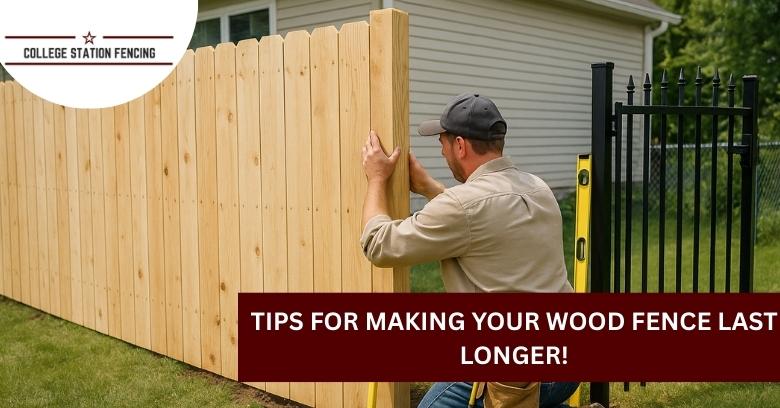
Wooden fences have long been a favorite for homeowners in College Station Texas and nearby Caldwell, thanks to their natural beauty, versatile designs, and their ability to provide privacy and security. Many property owners opt for cedar or pine varieties, drawn by affordability and their classic aesthetic appeal. A well-built wood fence can instantly boost curb appeal while defining boundaries and keeping pets and kids safely contained. That said, Texas's climate presents some unique challenges. The combination of hot, dry summers and periodic downpours means wood fences here endure more than the average wear and tear. Without the right precautions, even a top-quality installation from the best fence contractor can show signs of aging within just a few years.
The typical serviceable life of a wood fence, depending on the species and installation, is between 10 and 20 years. Yet with regular attention and smart protection, you can significantly extend this range. Homeowners often underestimate the impact of routine maintenance and simple upgrades. Something as basic as sealing exposed wood or addressing drainage issues can add years to your investment. Moreover, professional fence installation using expert techniques means posts are properly anchored, rails are level, and panels resist warping or shifting, essential in College Station Texas where clay soil and weather swings can wreak havoc on lesser builds.
Choosing the right fence contractor does more than guarantee a sturdy structure; it also means gaining a partner who can share best practices for ongoing care. Local professionals understand microclimates as well as soil conditions and can recommend the best methods for fence installation in both College Station and Caldwell. They can also point you toward materials and finishes formulated for longevity in this specific region.
This article researches actionable tips to help homeowners in College Station, Caldwell, and across Texas keep their wood fences looking sharp and standing strong. From understanding common wood fence threats to step-by-step maintenance guides and advice on selecting the right fence contractor, you will learn how to maximize your investment and enjoy peace of mind season after season.
Essential Tips to Prolong Your Wood Fence's Serviceable Life
1. Start With Quality Installation
The foundation of a lasting fence is expert installation. Working with a reliable, experienced fence contractor in College Station or Caldwell Texas signifies that your fence is built to withstand the region's unique conditions. Skilled fence installation involves proper post depth of at least 2 to 3 feet below ground, concrete setting to prevent post shifting, and seeing to it that rails and pickets are securely fastened. Local pros understand how clay soils react after heavy rains and how to account for expansion and contraction.
2. Select the Right Type of Wood
Not all woods are created equal and a key detail that both property owners and fence contractors recognize. Cedar is a local favorite, valued for its natural oils that deter insects and resist rot. Pressure-treated pine is another solid choice, especially in locations prone to moisture. Ask your fence contractor which wood species offer the best longevity in the College Station and Caldwell climates, balancing price, durability, and appearance.
3. Apply Protective Sealants
Wood is naturally porous and will suck up water if left unprotected, leading to swelling, warping, or rot. After installation, apply a high-quality water-repellent sealant or stain. Reapply every 2 to 3 years, adjusting for the harshness of the Texas sun or heavy rainfall. Many fence contractors offer this as an add-on service or can recommend the best products for local conditions.
4. Maintain Proper Drainage
Standing water is a wood fence's worst enemy. Make sure the soil slopes away from your fence to prevent water from pooling around the posts. If your property in College Station or Caldwell is prone to soggy patches, consider French drains or gravel trenches at the base of your fence. Good drainage keeps posts from rotting and panels from warping.
5. Inspect and Repair Regularly
Set a seasonal schedule to walk your fence line. Look for damage from storms, loose nails or screws, cracked boards, and soft spots which are signs of rot. Early intervention with repairs such as tightening hardware, replacing damaged boards, or resealing areas will prevent bigger, more costly problems. Even if you DIY, consult with a fence contractor if structural repairs are needed.
6. Keep Vegetation in Check
While vines and bushes can look charming along a fence line, plants retain moisture against the wood and can hasten decay. Trim shrubs and pull weeds away from posts and panels. In College Station Texas where humidity spikes, this small step pays off big in keeping mold and rot at bay.
7. Clean Your Fence Annually
Dirt, mildew, and algae build up over time, particularly in shaded spots. Give your wood fence an annual wash with a garden hose or gentle pressure washer and use a mild soap if needed. Avoid harsh chemicals and keep nozzle settings low to prevent damaging the wood. A clean fence not only looks better but also allows you to spot issues early.
8. Address Insect Infestations
Termites and carpenter ants are no joke, especially in Texas. Inspect your fence closely for tiny holes, sawdust trails, or swarming bugs. If you spot signs, act quickly with targeted treatments or consult a pest control professional. Your fence contractor can often recommend preventive treatments applied at installation.
9. Avoid Direct Soil Contact
Where possible, keep wood panels and rails a few inches above the ground. Even pressure-treated lumber benefits from a buffer zone, reducing the risk of rot. A skilled fence contractor will set posts deep and make sure that rails and pickets are kept clear of direct soil contact during installation.
10. Repaint or Re-stain as Needed
Paint creates a durable barrier against sun and rain, while stain enhances wood's natural grain and repels water. Regularly repainting or re-staining your fence every couple of years, especially in high-impact sun or rain areas like College Station and Caldwell, helps keep the wood vibrant and protected.
Contextual Insights: How Local Conditions Impact Your Fence
Living in College Station Texas or nearby Caldwell means dealing with more than just hot summers. You are also battling shifting clay soils, which can heave and move fence posts unexpectedly. Extreme heat accelerates wood drying as well as fading and occasional cold fronts can cause splitting. Humidity, especially after storms, sets up prime conditions for fungal growth if wood remains damp. These environmental factors make expert fence installation and conscientious maintenance doubly important.
Trusted local fence contractors have first-hand knowledge of these regional quirks. They will often reinforce base posts with additional concrete, recommend slightly different fence heights for wind resistance, or walk you through local code requirements. Taking these precautions at the start can save years of headaches and repairs.
Another local twist? Wildlife. From armadillos burrowing to raccoons looking for a shortcut, Texas critters can stress even the best-built fences. Periodic inspections help catch animal-related damage early, before a small hole becomes a big problem.
The Role of Your Fence Contractor
Choosing an experienced, local fence contractor serving College Station and Caldwell is not just more than getting the job done. It is accessing a resource for long-term fence health. The right contractor offers sound advice on materials, construction methods, and regional maintenance tips. Many even offer annual inspection services or maintenance packages, an assurance that your fence will stand up to whatever Texas weather throws its way.
A trustworthy fence contractor focuses on both aesthetic and structural concerns. They know which fasteners are best for high humidity, how to anchor posts to prevent shifting, and what design tweaks boost both longevity and style. Do not hesitate to tap into their expertise, whether you are planning a new fence installation or looking to upgrade and safeguard an existing structure.
Proactive Maintenance: Your Schedule for Success
A little effort goes a long way. Make these habits part of your annual routine:
- Spring: Clean your fence, inspect for rot or winter damage, and reseal exposed sections.
- Summer: Trim vegetation, check for sun fading, and handle any insect issues promptly.
- Fall: Tighten hardware, touch up stain or paint, clear debris from the base.
- Winter: Remove leaves and snow piles, double-check drainage, and monitor for freeze-thaw cracks.
Following these seasonal steps helps you catch issues early, extend a fence's serviceable life, and keep your property looking its best.
Conclusion
A wood fence is an investment in both your property's value and your everyday enjoyment of your space. The unique conditions in College Station Texas and local Caldwell make it essential to combine quality fence installation by a trustworthy fence contractor with diligent, responsive maintenance. The tips outlined here, from installation best practices to routine cleaning and prompt repairs, empower you to get the most from your fence, year after year. With just a little attention and professional support when needed, your wood fence will remain a source of pride and peace of mind well into the future.
Ready to maximize your fence's serviceable life? Consult with a local fence contractor in College Station or Caldwell to schedule a professional inspection or get expert recommendations tailored to your property. A sturdy, beautiful fence is always worth the effort and these tips help make sure yours is built to last!
Key Takeaways
- Choose a Skilled Fence Contractor: The longevity of your wood fence starts with expert fence installation. Local contractors in College Station and Caldwell Texas understand the region's unique challenges and implement methods to prevent premature aging.
- Select Appropriate Materials: Choose durable wood types like cedar or pressure-treated pine. Ask your fence contractor to recommend insect and moisture-resistant species for Texas climates.
- Apply Protective Coatings Regularly: Sealing or staining your fence every few years helps protect it from the sun, rain, and pests. This routine task dramatically extends the serviceable life of your wood fence.
- Prioritize Drainage: See to it that soil slopes away from your fence and no water pools at the posts. Good drainage is a critical defense against rot and decay.
- Maintain and Repair Promptly: Inspect your fence each season for loose hardware, broken boards, or rot. Early repairs are simple and prevent major problems later.
- Manage Surrounding Vegetation: Keep bushes and vines cut back to allow airflow and sunlight, minimizing the risk of mold and wood rot.
- Clean Annually: A gentle wash once a year removes dirt, mildew, and stains. This not only keeps your fence looking great but also exposes any needed repairs.
- Stay Vigilant for Insects: In Texas, termites and carpenter ants can quickly damage a wooden fence. Check for signs of activity and treat promptly.
- Minimize Soil Contact: When possible, keep wood panels off the ground to prevent moisture absorption and extend their serviceable life.
- Embrace Ongoing Care: Make fence care a routine as seasonal attention is far less costly than major repairs and keeps your fence beautiful in College Station, Caldwell, and beyond.
FAQs
1. How often should I reseal my wood fence in College Station Texas?
It is best to reseal your wood fence every two to three years. The Texas sun and seasonal rains can quickly wear down protective coatings, so regular resealing by a fence contractor helps maintain durability and appearance.
2. What type of wood lasts longest for fences in College Station and Caldwell Texas?
Cedar and pressure-treated pine are top choices. Cedar's natural oils repel insects and rot, making it ideal for local conditions, while treated pine withstands moisture well and is widely used by fence contractors in the region.
3. Can I install a fence myself or should I hire a fence contractor?
While DIY fence installation is possible, hiring a professional fence contractor signifies that your fence is structurally sound and meets local codes. Experts know how to counteract soil movement and climate-related stresses unique to College Station and Caldwell.
4. What maintenance tasks are most important for wood fences?
Key tasks include regular sealing or staining, prompt repair of any damage, keeping vegetation trimmed, and having good drainage around fence posts. These steps prevent common issues like rot, warping, and insect infestation.
5. How does the weather in College Station Texas, impact my fence?
Hot summers, humidity, and periodic storms put stress on wood fences, causing fading, splitting, or rot. Adapting maintenance schedules for peak weather times and choosing weather-resistant materials are essential for long-term fence health.
6. Are there specific fence designs that last longer in Texas?
Simple, sturdy designs with minimal direct soil contact often last longer. Local fence contractors can recommend styles that resist wind, promote drainage, and are less susceptible to Texas-specific challenges.
7. What should I do if I notice termites or other pests?
Act quickly! Treat the area with an appropriate pesticide or contact a pest professional. Consider preventive treatments recommended by fence contractors, especially during installation.
8. How do I prevent my wood fence from warping?
Use seasoned, properly dried wood, apply sealant, and avoid direct ground contact. Professional fence installation techniques like setting posts deep and having level rails also reduce the risk of warping.
9. Does my fence require special care after storms or heavy rain?
Yes. Inspect your fence for loose parts, leaning posts, or water pooling near the base after severe weather. Immediate repairs and drainage adjustments can prevent costly damage.
10. How do I choose the best fence contractor in College Station or Caldwell Texas?
Seek contractors with strong local references, evidence of past work, and knowledge of regional building codes and conditions. A reliable fence contractor prioritizes quality materials, expert installation, and ongoing customer support.