
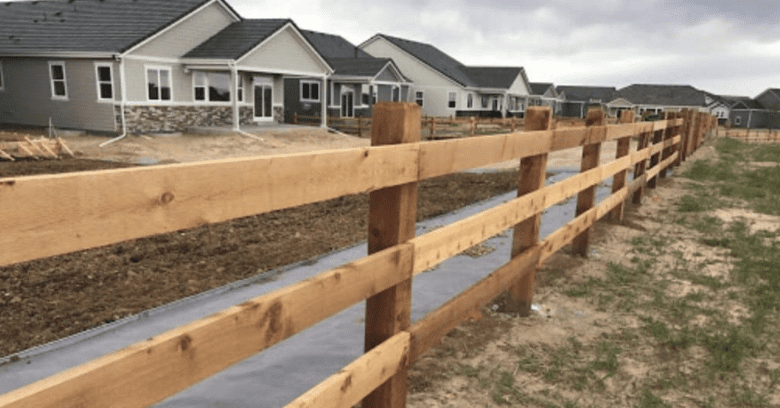
Weighing Choices for Ranch Fence Company in Bryan-College Station Texas?
College Station Fencing explains what is built, how, and who handles each step for Bryan-College Station Texas properties.
Call 979-553-6447 to talk through what you need built.
Know What You Are Hiring Before You Hire
Behind every straight fence line is a list of decisions someone had to own: measuring the line, ordering materials, setting posts, attaching panels, and hanging gates, and each step has someone who either does it well or does not do it at all. Keep a short note of what each provider says, and the list does most of the comparing for you. Find out who removes the old fence and the leftover scraps, and a clean site is a sign of a careful provider.
People looking into Ranch Fence Company should start by asking which steps are handled in house and which are handed off. Clear answers early are the strongest sign of a smooth job later, and it is a habit worth keeping. Use one list of questions for the whole search, and the pattern appears after two or three conversations.
What a Written Scope Should Spell Out
A fence job should be described in writing before any work begins: which old fence comes out, and what happens to the pieces, and anything that is vague is better settled before the first hole is dug. Items missing from the page are worth noticing, such as gate hardware, post depth, and what happens to the old fence.
It is easy to compare proposals that are not really comparable: notice which proposal says how the line will be laid out around trees, slopes, and corners, since those details decide how the fence will stand up in clay soil. Never be shy about asking what a term means, because an unclear line today becomes an argument later. Notice how gates are described in each proposal, and a vague line there is a reason to ask.
Seeing Completed Fences With Your Own Eyes
Ask to see something that has been outdoors for a while: look at how the gates close and whether they drag on the ground, and ask what the owner would change. Spend a minute on every gate you see, because they carry the most weight and the most daily use.
For anyone considering Ranch Fence Company near Bryan-College Station Texas, match the example to the material you are considering. A provider who builds privacy fences may not be the right fit for a pool barrier, and the reverse is just as true. Looking at several examples gives a sense of the range, and it shows how the same type of fence ages on different lots.
Local Conditions the Provider Should Already Know
Local conditions decide a lot about what holds up and what does not: long hot summers fade stain and crack unprotected wood, and a good answer is specific about depth, bracing, and drainage. The most convincing explanations are about the ground and not about the brochure, and general statements without specifics should prompt another question. Ask what happens when the digging goes differently than planned, and a clear answer saves an argument in the middle of the job.
Ask how posts are set and what the plan is when digging hits rock: a confident answer is short and specific, and if it does not, ask for it to be written into the scope. Do not overlook the rulebook, and a provider should know who to ask and what to check.
Wood, Wire, Iron, Vinyl, and Pool Barriers Are Not the Same Job
Matching the provider to the fence is half the battle: ranch and farm fencing depends on stretched wire, braced corners, and gates for animals and equipment, and the right question is simply how often they do that kind of work. Say what the fence has to do, whether it is holding animals, blocking wind, or marking a line, and that conversation reveals how the provider thinks. Describe the animals, if there are any, before anything else, and a provider who asks first is a good sign.
Searches like this often cover a long list of needs: a short conversation about the real project is the most useful filter. Know the basics of the site before talking, and the more you know, the more precise the answers will be.
What Good Communication Looks Like on a Fence Job
Timing on a fence project involves more than picking a start day: rain delays digging and concrete, and wind delays panel work, and a short message when something shifts is worth a great deal. Allow room in the schedule for weather, since heavy rain and wind change what can be done on a given day. Confirm who is responsible for calling 811 before any digging, since the markings take a few days to arrive.
Response style is part of the evidence: a provider who explains what could delay the work is being realistic, and vague promises are not. A provider who listens first usually builds better, because a fence should fit the property and not a template.
A Fence Is Not Finished the Day It Is Built
The first year tells you a lot about how a fence was built: spaces under a fence line can open up after heavy rain, and it helps to know who to call when that happens. Walk the fence after the first heavy rain, and early notice keeps small issues small.
After a bad storm, a fence shows what it was made of: ask about emergency repair, since a fallen section next to a pool or a pasture cannot wait, and it tells you something about how the provider views the work. Think through the plan before the weather forces it, by clearing debris and branches from the fence line. Check how a provider responds when a fence goes down, and a temporary fix is sometimes the first step.
Bring Your Questions and Your Property Line
The goal is a fence that stays straight, closes properly, and looks right for years: clear communication, honest answers about the ground and weather, and no vague spots, and the answers are easy to compare. The same questions work for every kind of fence, and a provider who passes them is worth a second conversation.
If your search for Ranch Fence Company around Bryan-College Station Texas has narrowed down, reach us at 979-553-6447 and start with the list you have. A sketch on paper is plenty to get started, and nothing needs to be perfect on the first call. A careful decision beats a fast one, since a fence stays up for a long time.