
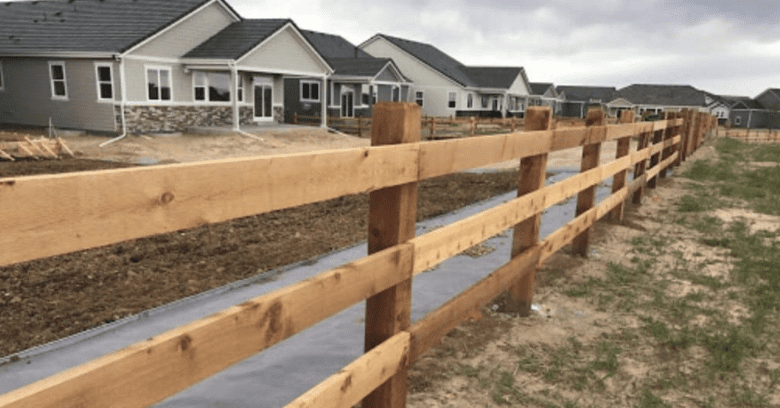
Comparing Options for Fence Staining Company across Texas?
College Station Fencing shows its work before it asks for yours at Texas properties.
Dial 979-553-6447 and bring your questions.
What a Fence Provider Is Responsible For
Behind every straight fence line is a list of decisions someone had to own: laying out corners, setting the footings, fastening the rails, and finishing the surface, and a sensible buyer wants to know who owns each one. Keep a short note of what each provider says, and the list does most of the comparing for you. Learn which cleanup tasks are included in the scope, because leaving the yard tidy is part of the work.
People starting a search end up picking a process as much as a provider. Clear answers early are the strongest sign of a smooth job later, and it takes attention more than time. Repeat the same questions every time, and the differences between them show up on their own.
Putting the Job in Writing
Nothing should rest on what was said in the driveway: the length of the run, the number of gates, and where each one swings, and anything that is vague is better settled before the first hole is dug. Pay attention to what the paperwork does not mention, and ask about each gap before agreeing to anything.
A fair comparison means matching them line by line: check the grade of lumber or the gauge of the metal, and whether posts are set in concrete, and the gaps between proposals usually hide there. Technical terms should be explained, not skipped, and it keeps both sides on the same page. Gates deserve their own line in any proposal, and sagging gates are the complaint heard most often.
Judging a Provider by Fences Already Standing
A fence a few years old tells you what a photograph cannot: look at the post bases for rot, rust, or heaving, and notice the condition of the corners, which carry the most strain. Pay special attention to the gates, because they carry the most weight and the most daily use.
For anyone considering Fence Staining Company near Texas, the closest match to your own project tells you the most. Wood work and welded metal work call for different skills, and a direct question settles it quickly. Take the time to see more than one, because every provider has a good day and an ordinary day.
Clay, Rock, Wind, and Heat: Do They Know the Ground
Soil and weather around Texas are hard on fences: caliche and rock can sit shallow, which changes how the posts are set, and a good answer is specific about depth, bracing, and drainage. The most convincing explanations are about the ground and not about the brochure, and a provider who knows the ground will say so plainly. Ask how the provider adapts when the ground says no, and a clear answer saves an argument in the middle of the job.
Ask whether the wood will be treated, stained, or left to weather: a confident answer is short and specific, and if it does not, ask for it to be written into the scope. Do not overlook the rulebook, because city permits vary by town and rural areas often have none.
Matching the Provider to the Kind of Fence
Building fences covers many specialties, and not every provider covers all of them: wood privacy fences depend on straight posts, tight pickets, and a good stain or sealer, and each one has its own ways of going wrong. Describe the fence in terms of use rather than only material, and that conversation reveals how the provider thinks. Tell the provider what the fence has to hold in or keep out, and that information alone changes the questions to ask.
The phrase Fence Staining Company can mean a lot of different jobs: describe the actual job and see how the provider responds. Gather the facts that affect the work, including slopes, trees, gate locations, and where the line meets a neighbor.
How the Job Is Communicated and Scheduled
A fence job depends on a handful of dates and handoffs: materials have to arrive in the right order, and good communication keeps small changes from becoming big arguments. Build some slack into the calendar, and a provider who says so up front is being honest. Make sure someone owns the utility locate, and no one should dig until they are down.
The first few conversations show how the rest of the job will go: straight talk about the unknowns is reassuring, and it is worth taking the pattern seriously. Questions from the provider are a good sign, and it shows interest in the result and not only the job.
Repairs, Follow-Up, and Storm Season
Every new fence needs a little follow-up: a loose board or a leaning panel after a storm should be dealt with early, and it helps to know who to call when that happens. Check the fence a few weeks after the work is done, and watch the base of the posts and the gate latches.
After a bad storm, a fence shows what it was made of: ask how storm damage and urgent repairs are handled, including how a gap is secured when animals or a pool are involved, and that is a useful thing to know before the weather turns. It helps to know the weak points before the next storm, by noting which panels catch the most wind. Learn what happens when a fence needs help in a hurry, and a temporary fix is sometimes the first step.
Starting a Conversation in Texas
Choosing well is mostly a matter of asking the right things: the scope in writing, the finished work you can see, and the answers that were specific, and it is worth applying to every option. The method is the same for any fence in Texas, and they give a fair picture without any special knowledge.
If your search for Fence Staining Company around Texas has narrowed down, reach us at 979-553-6447 and start with the list you have. Have a rough idea of the length, the type, and the finish you want, and we will take it from there. There is no hurry to decide on the first call, and a good provider will understand that.