
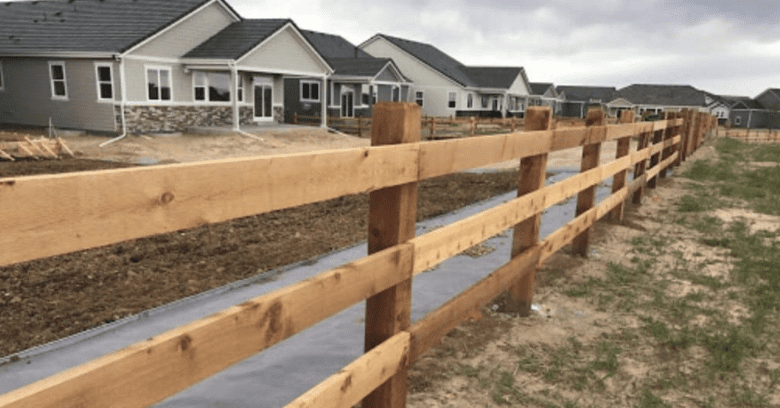
Choosing Between Options for Farm Fence Company across Texas?
College Station Fencing keeps every fence job spelled out from the first visit to the last gate latch at Texas homes.
Phone 979-553-6447 to see how a straight answer sounds.
Know What You Are Hiring Before You Hire
Hiring for a fence means hiring for several jobs at once: measuring the line, ordering materials, setting posts, attaching panels, and hanging gates, and each step has someone who either does it well or does not do it at all. Keep a short note of what each provider says, because memory blurs the differences within a week. Check who is responsible for the trash and the cleanup, because leaving the yard tidy is part of the work.
Property owners researching options for Farm Fence Company usually find that the real choice is about who handles the details nobody sees. A provider that welcomes the questions is usually one that has good answers, and it takes attention more than time. Repeat the same questions every time, and the pattern appears after two or three conversations.
What a Clear Fence Proposal Contains
Every serious proposal puts the details on paper: which old fence comes out, and what happens to the pieces, so that both sides are picturing the same fence. Gaps are as informative as entries, like the finish, the cleanup, and the handling of slopes and corners.
Proposals for the same yard can describe very different fences: look at post material and post depth, rail count, hardware, and how the gate is built, because those are the places where two fences that look alike diverge. If a line item is unclear, ask for it in plain words, and nothing about a fence is too small to ask about. Notice how gates are described in each proposal, and a sturdy frame is worth more than a fancy latch.
Judging a Provider by Fences Already Standing
The most useful evidence of how a fence will age is a fence that has already aged: look at how the gates close and whether they drag on the ground, and keep in mind that clay soil is hard on every fence. Pay special attention to the gates, and a gate that closes cleanly says a lot about the whole build.
When the search is for Farm Fence Company around Texas, a fence of the same style as yours is the most useful example. A provider who builds privacy fences may not be the right fit for a pool barrier, so ask about the specific type you want. A short tour of completed fences is worth the trouble, and the pattern across several fences is more telling than a single example.
Soil, Storms, and Sun: Questions That Reveal Local Know-How
Soil and weather around Texas are hard on fences: caliche and rock can sit shallow, which changes how the posts are set, and the difference shows up as a straight fence or a leaning one. Real local knowledge sounds practical, and a provider who knows the ground will say so plainly. A hole that hits rock should have a plan behind it, and a clear answer saves an argument in the middle of the job.
Ask what happens at the base of a post to keep water from sitting there: good answers sound like descriptions of work, not slogans, and keep asking until the picture is clear. Rules on height, style, and stain color can matter a great deal, and a provider should know who to ask and what to check.
Wood, Wire, Iron, Vinyl, and Pool Barriers Are Not the Same Job
Some fences are straightforward, and others are close to separate trades: pool fencing is governed by local code, with self-closing, self-latching gates, and a specialist usually answers faster and with more detail. Describe the fence in terms of use rather than only material, and that conversation reveals how the provider thinks. Tell the provider what the fence has to hold in or keep out, and a provider who asks first is a good sign.
The phrase Farm Fence Company can mean a lot of different jobs: let the provider ask about the gate, the slope, and the soil before talking about anything else. Know the basics of the site before talking, and note where the utilities run and where the survey pins sit.
What Good Communication Looks Like on a Fence Job
Fence work is weather work, and schedules reflect that: materials have to arrive in the right order, and any change to the plan should be confirmed in writing. A job that finishes ahead of the forecast is a pleasant surprise, not a plan, and delays are easier to accept when they are explained early. Find out who arranges for buried lines to be marked, since the markings take a few days to arrive.
The first few conversations show how the rest of the job will go: honest talk about weather and utilities is better than a promise that ignores them, while evasive answers deserve a second look. Notice whether the provider asks about your goals, because a fence should fit the property and not a template.
Repairs, Follow-Up, and Storm Season
Every new fence needs a little follow-up: a gate may need to be re-hung after the ground settles, and small adjustments are easier than big repairs. Check the fence a few weeks after the work is done, and watch the base of the posts and the gate latches.
After a bad storm, a fence shows what it was made of: ask how storm damage and urgent repairs are handled, including how a gap is secured when animals or a pool are involved, and it is better to ask now than to look for help in the middle of a storm. Knowing where a fence is vulnerable helps in a hurry, by looking at leaning posts and any gaps at the bottom. Learn what happens when a fence needs help in a hurry, and a temporary fix is sometimes the first step.
Bring Your Questions and Your Property Line
The right choice is the provider who makes every step understandable: what is being built, how it is anchored, who handles each step, and what happens afterward, and it makes the final decision much easier. These checks apply whether the fence is wood, metal, wire, or vinyl, so the effort pays off on any future project too.
When you want a plain discussion of Farm Fence Company across Texas, reach us at 979-553-6447 and start with the list you have. Tell us what you want the fence to do, and we will talk through the options, and the details fill in as the conversation goes. Nothing about the process needs to be rushed, and the conversation can continue as long as you have questions.