
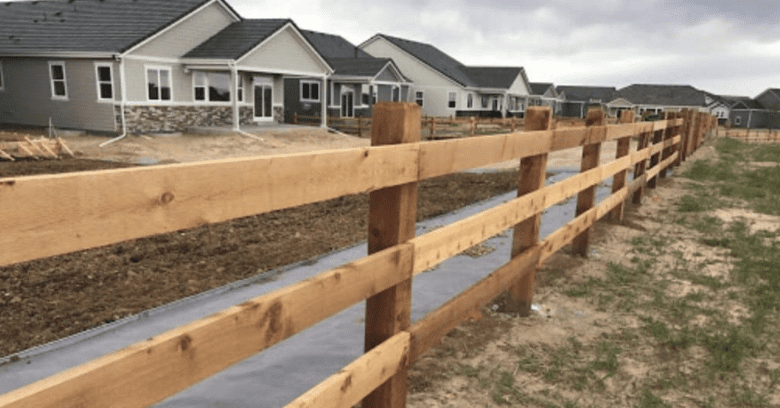
Comparing Options for Fence Repair Company across Texas?
College Station Fencing keeps every fence job spelled out from the first visit to the last gate latch across Texas yards.
Call 979-553-6447 and bring your questions.
Sorting Out Who Is Responsible for Which Step
The word fence covers a lot more work than the finished product suggests: laying out corners, setting the footings, fastening the rails, and finishing the surface, and unclear ownership of any step is where most disappointments begin. Jot down the details while they are fresh, which makes the last decision far less of a guess. Learn which cleanup tasks are included in the scope, and a clean site is a sign of a careful provider.
Owners comparing options for Fence Repair Company end up picking a process as much as a provider. A provider that welcomes the questions is usually one that has good answers, and it is easy to repeat with every provider. Use one list of questions for the whole search, and the pattern appears after two or three conversations.
What a Written Scope Should Spell Out
A fence job should be described in writing before any work begins: which old fence comes out, and what happens to the pieces, and the more specific it is, the fewer arguments come later. Pay attention to what the paperwork does not mention, like the finish, the cleanup, and the handling of slopes and corners.
Proposals for the same yard can describe very different fences: check the grade of lumber or the gauge of the metal, and whether posts are set in concrete, because those are the places where two fences that look alike diverge. Never be shy about asking what a term means, and the explanation usually reveals how carefully the work is planned. Gates deserve their own line in any proposal, and a vague line there is a reason to ask.
Looking at Finished Work
Photographs show a fence on its sunniest day, but a standing fence shows more: see whether the boards have stayed tight and the finish has held, and notice the condition of the corners, which carry the most strain. The gates tell the story fastest, and latches and stops are easy to check in seconds.
When you are asking about Fence Repair Company in Texas, the closest match to your own project tells you the most. Experience with one fence type does not carry over to every other, and one answer rarely covers every kind of fence. A drive past a few finished fences is time well spent, and it is an easy way to judge workmanship.
Local Conditions the Provider Should Already Know
Soil and weather around Texas are hard on fences: heavy rain bursts leave water standing at the base of posts, and the difference shows up as a straight fence or a leaning one. Expect talk about posts, footings, and drainage rather than slogans, and those details are what separate know-how from sales talk. A hole that hits rock should have a plan behind it, since shallow rock and caliche are common enough that it should not be a shock.
Ask how a gate is braced so it does not sag after the first wet season: if the answer names actual steps, that is a good sign, and keep asking until the picture is clear. It is also fair to ask about neighborhood rules, and a provider should know who to ask and what to check.
Different Fences Call for Different Skills
Building fences covers many specialties, and not every provider covers all of them: vinyl and chain link need accurate layout and correct hardware, and the right question is simply how often they do that kind of work. The purpose of the fence drives the design, since a good plan starts from the job the fence will do. Who or what the fence is for changes the design completely, since cattle, goats, horses, and dogs all push on a fence differently.
Searches like this often cover a long list of needs: questions coming back at you are a good sign. Be ready to describe the property in detail, such as soil conditions you have noticed, drainage, and any existing fence.
Keeping a Fence Project on Track
A fence job depends on a handful of dates and handoffs: property lines and survey pins should be located before the line is laid, and it helps to know in advance who will be on site. Build some slack into the calendar, and a provider who says so up front is being honest. Ask who calls the locate service and when, and it should appear in the schedule.
Response style is part of the evidence: clear answers, a plain explanation of the sequence, and a willingness to put things in writing are good signs, and vague promises are not. Questions from the provider are a good sign, and good questions mean the planning is already underway.
What Happens After the Last Post Is Set
Posts shift, gates drop, and boards shrink during the first seasons: stain and sealer wear first where the sun is hardest on the surface, so ask how follow-up questions are handled before you hire. Check the fence a few weeks after the work is done, and make a short list of anything that needs adjusting.
Every fence in Texas gets tested by weather sooner or later: find out whether the provider handles repair work as well as new construction, and that is a useful thing to know before the weather turns. It helps to know the weak points before the next storm, by keeping a phone number handy for urgent repair. Ask whether emergency repairs are part of the work, since a gap next to a pool or a pasture cannot wait for a slow response.
Turning Your List of Questions Into a Plan
The right choice is the provider who makes every step understandable: the right fence type, the right skills, and a clear schedule, and that is a fair test for any fence company. The approach carries from one project to the next, and a short list is usually enough.
If it is time to move from research to a real discussion about Fence Repair Company in Texas, reach us at 979-553-6447 and start with the list you have. A sketch on paper is plenty to get started, and the details fill in as the conversation goes. A careful decision beats a fast one, and the conversation can continue as long as you have questions.