
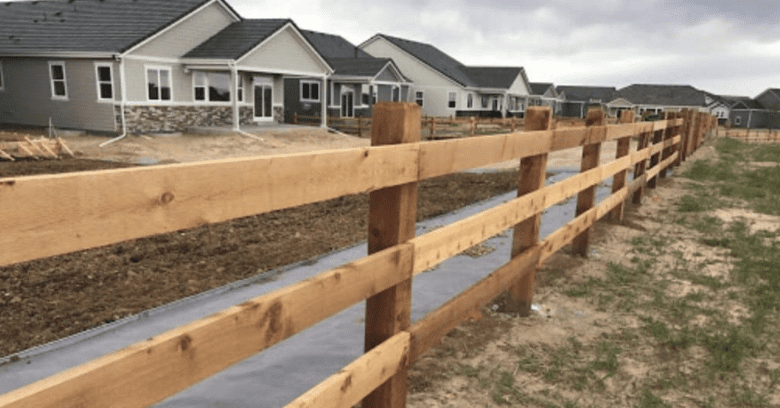
Weighing Choices for Wood Fence Company across College Station?
College Station Fencing keeps every fence job spelled out from the first visit to the last gate latch at College Station yards.
Phone 979-553-6447 with the list of things you want to know.
The Scope of a Fence Provider's Work
Behind every straight fence line is a list of decisions someone had to own: marking the route, sizing the posts, building the run, and leaving the site tidy, and unclear ownership of any step is where most disappointments begin. Take notes during every conversation, and any gaps in the answers become obvious. Find out who removes the old fence and the leftover scraps, since a pile of broken boards can sit for weeks.
Households who ask about Wood Fence Company do well to sort out the responsibilities before looking at anything else. Clear answers early are the strongest sign of a smooth job later, and it is a habit worth keeping. Keep the questions identical from one conversation to the next, and the differences between them show up on their own.
Reading a Fence Proposal Line by Line
Nothing should rest on what was said in the driveway: the posts, the rails, the pickets or panels, and the hardware, and the more specific it is, the fewer arguments come later. Items missing from the page are worth noticing, such as gate hardware, post depth, and what happens to the old fence.
Comparing proposals only works when they describe the same fence: check the grade of lumber or the gauge of the metal, and whether posts are set in concrete, since those details decide how the fence will stand up in clay soil. A good provider is glad to translate the jargon, and it keeps both sides on the same page. Gates deserve their own line in any proposal, since a gate sees more use than any other part of a fence.
Seeing Completed Fences With Your Own Eyes
Photographs show a fence on its sunniest day, but a standing fence shows more: check whether the line is still straight and the posts still plumb, and ask what the owner would change. The gates tell the story fastest, and the way a gate hangs reveals how the posts were set.
For anyone considering Wood Fence Company near College Station, choose an example of the same height and style if one is available. A provider who builds privacy fences may not be the right fit for a pool barrier, and the reverse is just as true. Looking at several examples gives a sense of the range, and it shows how the same type of fence ages on different lots.
Local Conditions the Provider Should Already Know
Expansive clay, hard summer sun, and sudden storms shape how a fence should be built here: heavy rain bursts leave water standing at the base of posts, and a good answer is specific about depth, bracing, and drainage. Real local knowledge sounds practical, and a provider who knows the ground will say so plainly. Ask how the provider adapts when the ground says no, and it keeps the schedule from slipping without explanation.
Ask what happens at the base of a post to keep water from sitting there: if the answer names actual steps, that is a good sign, and if it does not, ask for it to be written into the scope. Many neighborhoods have their own say in what goes up, and the owner usually has to be involved in the approval.
One Fence Company Does Not Fit Every Fence
The kind of fence changes what to look for in a provider: pool fencing is governed by local code, with self-closing, self-latching gates, and the right question is simply how often they do that kind of work. Say what the fence has to do, whether it is holding animals, blocking wind, or marking a line, and anything that does not fit the purpose can be dropped. Say what the fence is protecting, and a pool barrier is an entirely different job from a pasture line.
Looking for Wood Fence Company usually means one specific project hiding in a broad term: a short conversation about the real project is the most useful filter. A few facts about the property speed everything up, such as soil conditions you have noticed, drainage, and any existing fence.
Who Shows Up, When, and What You Hear Along the Way
Timing on a fence project involves more than picking a start day: the 811 utility locate has to come back before digging begins, and good communication keeps small changes from becoming big arguments. Allow room in the schedule for weather, because locates and materials do not always arrive on time. Ask who calls the locate service and when, and skipping it is never worth the risk.
Early communication is a preview of the whole project: honest talk about weather and utilities is better than a promise that ignores them, while evasive answers deserve a second look. Notice whether the provider asks about your goals, and it shows interest in the result and not only the job.
What Happens After the Last Post Is Set
Posts shift, gates drop, and boards shrink during the first seasons: a loose board or a leaning panel after a storm should be dealt with early, and plan for a look at the fence after the first wet season. A follow-up walk takes little time and tells you plenty, and early notice keeps small issues small.
Strong thunderstorm winds test every solid fence: check whether the same provider returns for repairs or whether you will need to start over, and knowing that early saves a scramble later. Knowing where a fence is vulnerable helps in a hurry, by clearing debris and branches from the fence line. Ask whether emergency repairs are part of the work, and the answer is worth having before the storm arrives.
Bring Your Questions and Your Property Line
The right choice is the provider who makes every step understandable: clear communication, honest answers about the ground and weather, and no vague spots, and that holds true for any provider you consider. These checks apply whether the fence is wood, metal, wire, or vinyl, and a short list is usually enough.
If you are ready to start a conversation about Wood Fence Company in College Station, phone 979-553-6447 and describe the project. Have a rough idea of the length, the type, and the finish you want, and the rest can be worked out together. A careful decision beats a fast one, and the conversation can continue as long as you have questions.