
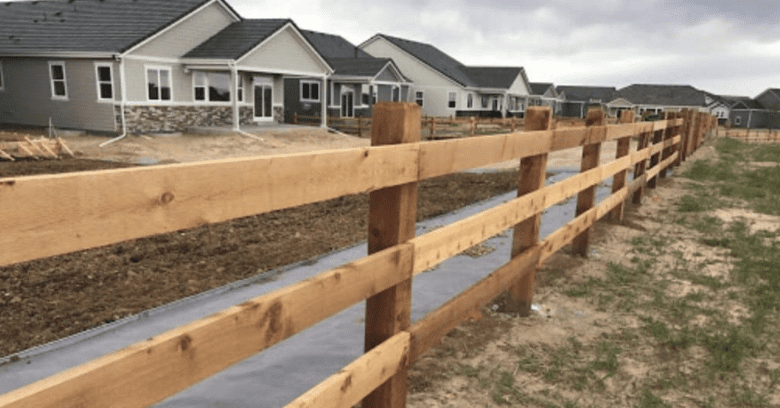
Comparing Options for Wood Fence Company around Texas?
College Station Fencing puts the scope, the materials, and the schedule in plain terms for Texas farms and ranches.
Contact us at 979-553-6447 and bring your questions.
Who Does What on a Fence Job
Hiring for a fence means hiring for several jobs at once: laying out corners, setting the footings, fastening the rails, and finishing the surface, and a sensible buyer wants to know who owns each one. Jot down the details while they are fresh, so that the comparison later rests on facts and not on impressions. Find out who removes the old fence and the leftover scraps, and a clean site is a sign of a careful provider.
People starting a search should start by asking which steps are handled in house and which are handed off. Clear answers early are the strongest sign of a smooth job later, and it works for any fence type. Take the same questions to each provider, so that nobody gets an easier test than anyone else.
What a Clear Fence Proposal Contains
Nothing should rest on what was said in the driveway: the posts, the rails, the pickets or panels, and the hardware, and the more specific it is, the fewer arguments come later. Items missing from the page are worth noticing, such as gate hardware, post depth, and what happens to the old fence.
It is easy to compare proposals that are not really comparable: check the grade of lumber or the gauge of the metal, and whether posts are set in concrete, and the gaps between proposals usually hide there. If a line item is unclear, ask for it in plain words, and the explanation usually reveals how carefully the work is planned. Gates deserve their own line in any proposal, since a gate sees more use than any other part of a fence.
Real Fences Tell the Truth
Photographs show a fence on its sunniest day, but a standing fence shows more: see whether the boards have stayed tight and the finish has held, and compare the age of the fence with how it looks now. The gates tell the story fastest, since a hinge that sags is the first sign of a footing problem.
If you are shopping for Wood Fence Company across Texas, choose an example of the same height and style if one is available. A provider can be excellent at one kind of fence and ordinary at another, and one answer rarely covers every kind of fence. Seeing two or three examples is better than seeing one, and it shows how the same type of fence ages on different lots.
What Local Ground and Weather Ask of a Fence Builder
Local conditions decide a lot about what holds up and what does not: caliche and rock can sit shallow, which changes how the posts are set, and the right questions bring out whether a provider has planned for those conditions. A good provider explains the reason behind each choice, and general statements without specifics should prompt another question. Ask how the provider adapts when the ground says no, and the plan should be agreed before the shovel goes in.
Ask how posts are set and what the plan is when digging hits rock: the details in the answer matter more than how smooth it sounds, and any plan can be written down if the provider really has one. Local requirements are part of the job too, and a quick check up front prevents a rebuild later.
One Fence Company Does Not Fit Every Fence
Matching the provider to the fence is half the battle: pool fencing is governed by local code, with self-closing, self-latching gates, and each one has its own ways of going wrong. Start with what the fence must accomplish, since a good plan starts from the job the fence will do. Say what the fence is protecting, and a provider who asks first is a good sign.
Looking for Wood Fence Company usually means one specific project hiding in a broad term: questions coming back at you are a good sign. Gather the facts that affect the work, so the conversation starts from reality and not guesses.
Scheduling, Weather, and Staying Informed
Planning a fence means planning around utilities, materials, and weather: rain delays digging and concrete, and wind delays panel work, and it helps to know in advance who will be on site. A job that finishes ahead of the forecast is a pleasant surprise, not a plan, and delays are easier to accept when they are explained early. Find out who arranges for buried lines to be marked, and no one should dig until they are down.
Early communication is a preview of the whole project: clear answers, a plain explanation of the sequence, and a willingness to put things in writing are good signs, and vague promises are not. Questions from the provider are a good sign, because a fence should fit the property and not a template.
What Happens After the Last Post Is Set
The first year tells you a lot about how a fence was built: stain and sealer wear first where the sun is hardest on the surface, and small adjustments are easier than big repairs. Check the fence a few weeks after the work is done, and early notice keeps small issues small.
After a bad storm, a fence shows what it was made of: a provider who also repairs fences is easier to count on when something breaks, and it is better to ask now than to look for help in the middle of a storm. A quick check before storm season is worth doing, by looking at leaning posts and any gaps at the bottom. Find out how urgent damage is handled, and a plain explanation is better than a promise.
Turning Your List of Questions Into a Plan
A good provider makes the whole job easier to understand: the scope in writing, the finished work you can see, and the answers that were specific, and the answers are easy to compare. The approach carries from one project to the next, so the effort pays off on any future project too.
If you want to talk through Wood Fence Company near Texas, dial 979-553-6447 and tell us about the fence you have in mind. A sketch on paper is plenty to get started, and the rest can be worked out together. Nothing about the process needs to be rushed, and a good provider will understand that.