When it comes to enhancing the privacy, security, and overall curb appeal of your property, few additions make as immediate an impact as a well-designed fence. For homeowners and businesses in College Station Texas and neighboring Caldwell, selecting the right fence requires thoughtful planning, from picking the optimal material to hiring a skilled fence contractor; however, perhaps the most crucial and often overlooked detail is determining the ideal height for your new fence. This decision affects everything from your property's safety to local privacy, regulations, and the overall aesthetics of your home or business. Whether you are installing a new fence or upgrading an existing one, understanding fence height is essential to get the best results.
Fence height decisions are not one-size-fits-all, especially in dynamic communities like College Station and Caldwell Texas. Local preferences, neighborhood standards, city ordinances, and the functional purpose of your fence all play significant roles. In residential areas, you may prioritize privacy and pet containment, while commercial properties might prioritize security or decorative appeal. Moreover, the Texas climate with strong sun, seasonal storms, and lush landscaping can influence the durability and maintenance needs of different heights and materials.
Choosing the right fence height is not merely a question of personal preference. It is about balancing legal requirements with practical needs and design aspirations. Many property owners are surprised to learn that city and county regulations impose strict height limits on front and backyard fences, especially near sidewalks, intersections, and public roads. Overlooking these laws can result in costly fines, forced modifications, or even having to rebuild your fence altogether.
But compliance is just the beginning. The right height also relates to your specific goals such as do you want to block out street noise, create a safe play area for children, keep out unwanted wildlife, or simply add a touch of style to your landscaping? Each of these goals may dictate a different fence height, as will the unique terrain and layout of your lot. Higher fences offer greater privacy but can cast unwanted shadows or appear too imposing in some settings. Lower fences might preserve beautiful views but provide less protection.
Throughout this guide, we will break down the expert tips and local insights you need to find the perfect balance for your fence installation in College Station and Caldwell. We will share how to weigh your options and work with experienced fence contractors so that your new fence is a functional, attractive, and compliant investment for years to come.
Understanding Fence Height Regulations in College Station and Caldwell
Before you even begin visualizing your dream fence, it is crucial to familiarize yourself with local fence height regulations. Both College Station and Caldwell have specific municipal codes governing residential and commercial fencing, rules meant to promote safety, accessibility, and cohesive neighborhood aesthetics.
In College Station, the city generally restricts residential front-yard fences to a maximum height of 4 feet. Backyard fences typically reach six or even eight feet, especially for privacy or security purposes. These restrictions reflect safety concerns for traffic sightlines and pedestrian movement around intersections or driveways. Caldwell Texas has similar guidelines but sometimes allows for more flexibility with fencing in rural areas or large properties, reflecting the region's semi-rural layout.
It is also worth noting that certain neighborhoods, such as gated communities or areas with homeowners associations, may set their own, stricter standards on fence heights, styles, and materials. Always check with your HOA or local building department before starting a fence installation project. Ignoring these requirements can result in delays or even legal disputes.
If you are unsure, a reliable fence contractor in College Station or Caldwell Texas can help you navigate local ordinances and secure necessary permits. Professional fencing contractors bring regional expertise so that your fence meets all code requirements, saving you potential headaches down the road.
Key Factors Influencing Ideal Fence Height
When planning your fence installation, several factors should guide your decision on height:
Purpose of the Fence
The most important consideration is how you intend to use your fence. Each primary goal carries its own ideal range:
- Privacy: If blocking outside view into your yard is a top priority, a six-foot fence is the standard for backyard privacy in most residential areas. Tall, solid panels or shadowbox-style fences provide the best coverage.
- Security: For maximum deterrence against intruders, 6 to 8 foot fences are common. Commercial properties may opt for even higher fences with additional security features.
- Pet and Child Safety: To keep dogs and children safely within your yard, a distance of 4 to 6 feet is typically sufficient. Some breeds or adventurous children may require higher fences.
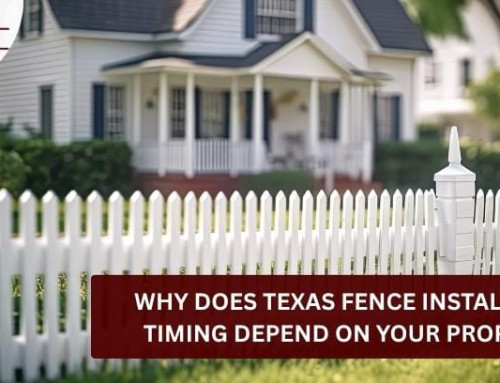
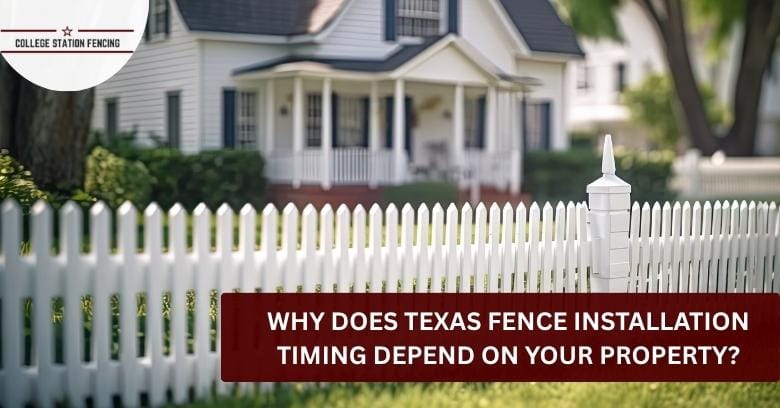
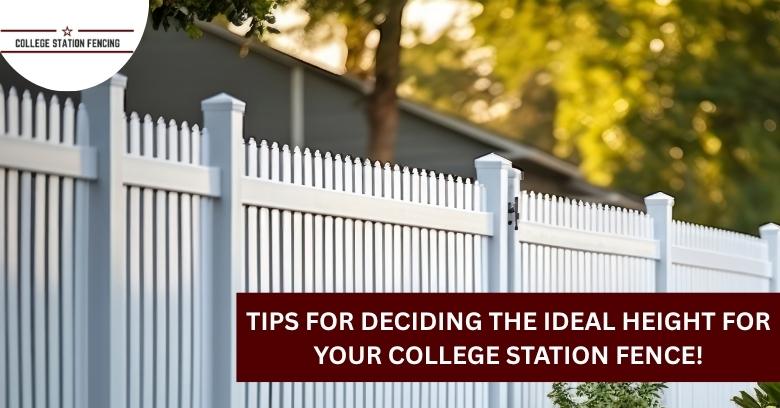
- Aesthetics and Curb Appeal: Decorative picket or split-rail fences for the front yard typically range from 3 to 4 feet tall, preserving sightlines and neighborhood character.
- Noise Reduction: Taller fences with dense materials can help buffer traffic noise for properties near busy roads.
Property Location and Layout
Properties on sloped lots, corner lots, or those adjacent to busy streets may need customized solutions. A fence contractor can assess your land's unique features to recommend the best installation approach so that the fence is both effective and visually harmonious with your environment.
Local Climate and Landscaping
In Texas, wind loads from storms and extreme sun exposure can impact fence durability. Taller fences must be sturdily built and anchored to withstand wind. Consider the vegetation around your property; taller fences can block the sunlight necessary for gardens or lawns.
Neighbor Collaboration
Discussing plans with adjacent neighbors is a smart move, especially if you share a property line. Some communities in College Station and Caldwell have good-neighbor policies requiring shared maintenance responsibilities or even mutual agreement on fence style and height.
Material Choices and How They Impact Height
Different fencing materials may have their own practical height limitations and aesthetic considerations:
- Wood Fences: Classic and versatile, wood fences are common in backyards and can be built to heights of 6 or 8 feet. Very tall wooden fences may require additional supports to prevent warping or leaning.
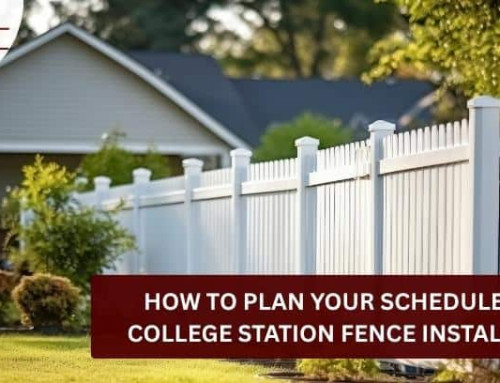
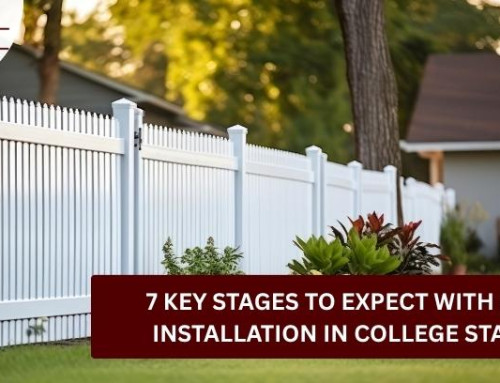
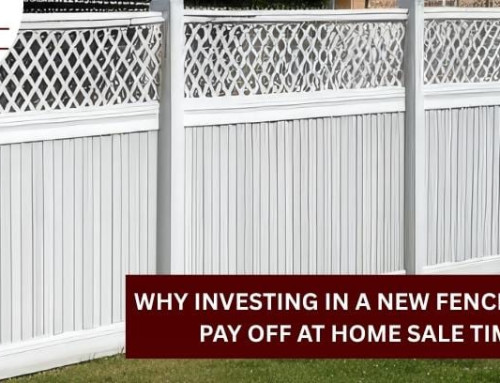
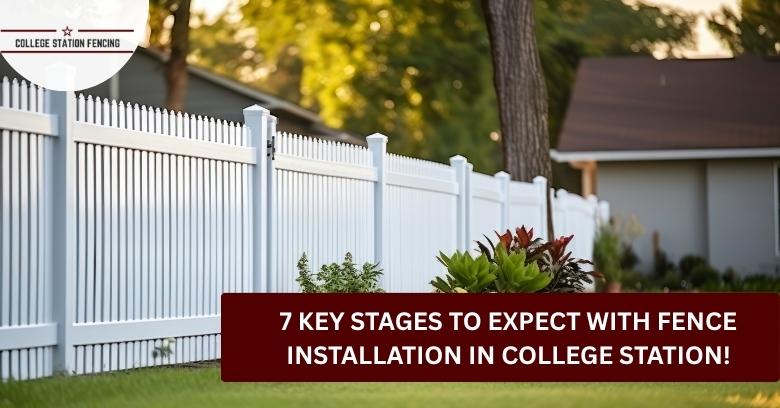
- Vinyl Fences: Durable and low-maintenance, vinyl fencing is excellent for privacy and comes in many styles and heights, typically up to six feet for residential use.
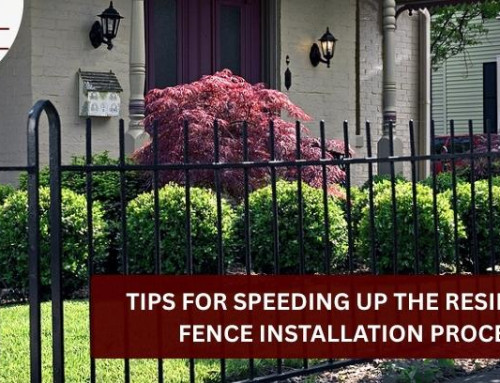
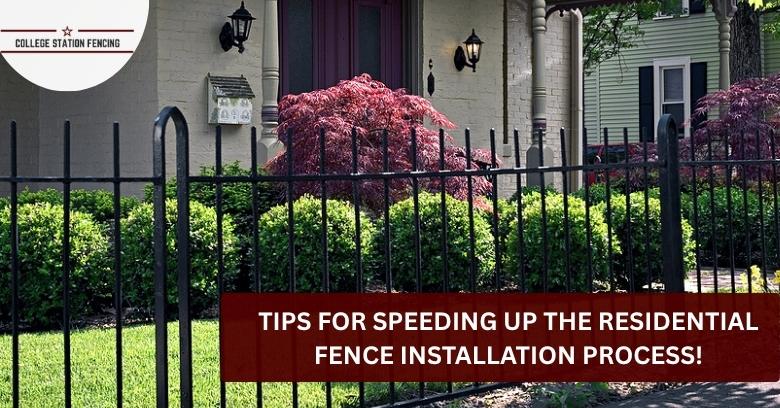
- Metal Fences: Wrought iron or aluminum fences are ideal for both security and elegance. These can be built tall, but open designs may limit privacy.
- Chain Link Fences: Functional and budget-friendly, chain link fences can be installed at various heights and are often topped with privacy slats for added coverage.
- Composite or Hybrid Fences: These blends marry the longevity of synthetic materials with the look of wood, providing a durable option for taller installations.
Each material choice brings different maintenance needs and cost considerations, but working with a local fence contractor allows you to select a type and height that complements both your functional needs and the local climate.
Working With a Professional Fence Contractor
Choosing a skilled fence contractor in College Station Texas or nearby Caldwell can make all the difference in your fence installation project. Local experts are familiar with area-specific regulations, material performance in the Texas climate, and preferred installation techniques for everything from backyard privacy fences to decorative front yard enclosures. A proficient contractor will:
- Conduct a site survey for accurate planning
- Advise on height and material options specific to your lot and needs
- Assist with permitting, HOA approval, and city compliance
- Employ best practices for strong, lasting installations
- Offer maintenance tips to extend fence serviceable life
Partnering with a local fence contractor not only streamlines the installation process but also increases the value of your final investment so that your fence is both beautiful and built to last.
Step-By-Step Guide to Determining Your Fence's Ideal Height
- Define Your Needs: Identify your primary goals of privacy, security, pet containment, or decoration.
- Check Local Codes: Review College Station or Caldwell fence height regulations, including HOA rules if applicable.
- Consult With Neighbors: Discuss plans if the fence affects shared property lines.
- Work With an Expert: Contact a fence contractor for a property assessment and tailored recommendations.
- Choose Materials Wisely: Select a fencing material that fits your height and maintenance requirements.
- Visualize the Project: Use markers, string, or temporary panels to see how different heights will look and function.
- Plan Structural Support: For higher fences, include adequate posts and reinforcements, especially with wood or vinyl.
- Secure Permits and Approvals: Your contractor can often manage this step, handling city and HOA paperwork.
- Schedule the Installation: With decisions made and plans approved, your new fence can be installed with minimal hassle.
- Inspect and Maintain: Once installed, perform regular inspections and maintenance to maximize longevity and performance.
The Benefits of the Right Fence Height
Getting fence height right is about more than compliance; it is about investing in your property's safety, comfort, and visual appeal. Properly planned and executed fence installations provide years of privacy, security, and peace of mind. They also contribute to property value, enhance curb appeal, and make daily life more enjoyable. In thriving Texas communities like College Station and Caldwell Texas, a well-built, properly-sized fence is a defining element of your home's character and function.
Conclusion
In College Station Texas and the neighboring city of Caldwell, the perfect fence combines compliance with local regulations, practical function, and attractive design. The ideal height varies for each property, influenced by your specific needs, location, and style preferences. Whether your project calls for a tall privacy barrier or a charming picket fence, a professional fence contractor sees that your fence installation is not only beautiful but built to last and legally approved.
As you plan your next fence installation, take the time to consider every factor, especially height. The investment pays dividends in comfort, security, and pride of ownership. Ready to begin? Contact a skilled fence contractor serving College Station and Caldwell Texas today and take the first step toward a smarter, better-looking property boundary!
Key Takeaways
- Understand Local Regulations: Always start by checking fence height laws in College Station and Caldwell as well as any HOA rules before installation. Violating these can lead to costly modifications or removals.
- Define the Fence's Purpose: Your main goals of privacy, safety, aesthetics, noise reduction, or pet containment directly influence optimal height. Tailor your decision to these needs for maximum satisfaction.
- Choose the Right Material for Height: Not all fence materials perform equally at every height. For example, wood and vinyl are great for taller privacy fences, while metal and chain-link are well-suited to security or decorative uses.
- Consult a Local Fence Contractor: Professional contractors understand local climate, regulations, and installation challenges. Their expertise means your fence is both beautiful and compliant.
- Plan With Neighbors in Mind: Especially on shared property lines, discussing plans with neighbors helps maintain good relations and may be required in some neighborhoods.
- Balance Privacy and Curb Appeal: Higher fences boost privacy and security but can impact sunlight and views. Choose a height that meets functional needs without overwhelming your landscape.
- Anticipate Maintenance Needs: Taller fences are more exposed to wind and weather. Plan for solid posts and regular upkeep to prevent leaning or damage, especially in Texas weather.
- Visualize Before You Build: Use temporary markers to preview how different heights will look and function before finalizing your plans.
- Obtain Necessary Permits: Failing to secure the required permits can stall your project or lead to legal headaches. Let your fence contractor handle approvals where possible.
- Invest in Professional Installation: Quality construction by a reliable fence contractor means your fence will stand strong and look great for years to come, adding lasting value to your property.
FAQs
1. What is the maximum legal fence height in College Station Texas?
In College Station, residential front-yard fences are typically limited to 4 feet, while backyard fences may reach 6 or 8 feet. Always check city codes or consult your fence contractor for the latest information.
2. Can I install a fence without a permit in College Station or Caldwell Texas?
Most fence installations in College Station and Caldwell require a permit. Contact your local building department or work with a fence contractor to be sure of compliance and a smooth approval process.
3. Does a fence contractor handle all necessary permits and approvals?
Yes, knowledgeable fence contractors often handle permits, city inspections, and HOA approvals as part of their fence installation services so that your project is fully compliant.
4. Do different materials have maximum practical heights?
Absolutely. Wood and vinyl fences can usually be built taller for privacy, while metal or wrought iron fences are sturdy at a range of heights but may be less private. Your fence contractor can recommend the best options for your needs.
5. How do I choose the right fence height for dog containment?
Most dogs can be safely contained with a four to six-foot-tall fence, but larger or high-jumping breeds may require a taller barrier. Consult with a local fence installation expert for breed-specific advice.
6. Does local climate affect my fence height decision?
Yes, Texas strong winds and storms mean taller fences must be constructed with reinforced posts and durable materials to prevent leaning or collapse. Your fence contractor will factor in local weather conditions.
7. Can fence height affect my home's curb appeal?
Definitely. While taller fences improve privacy and security, they may also cast shadows or make a property feel closed off. Lower fences help maintain open sightlines and neighborhood charm in College Station and Caldwell.
8. How do I handle disputes with neighbors over fence height?
Open communication is key. Share your plans early and if possible, come to a mutual agreement. Some communities in the College Station area have good-neighbor fencing policies that require shared input and upkeep.
9. What are the maintenance requirements for taller fences?
Taller fences require regular inspection for signs of weather damage, loose posts, and warping, especially with wood or vinyl. Prompt repairs and annual maintenance significantly extend the serviceable life of the fence.
10. Is it more expensive to build a tall fence?
Yes, generally taller fences require more materials, stronger posts, and additional labor. Yet the added benefits of privacy and security can make the investment worthwhile, especially when working with a skilled fence contractor in College Station or Caldwell.