
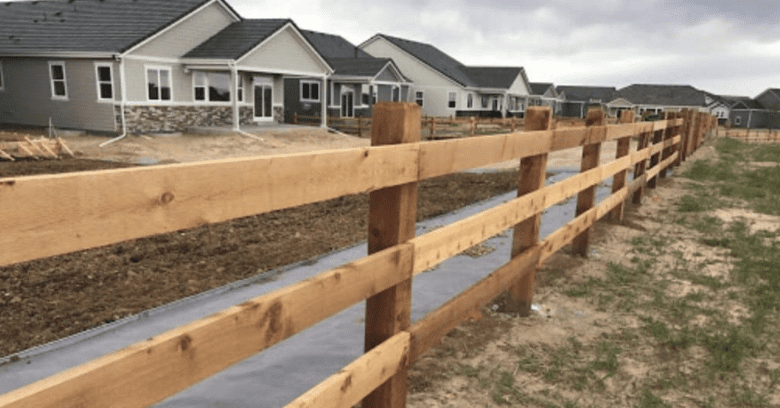
Weighing Choices for Ranch Fencing Company throughout Brazos County TX?
College Station Fencing keeps every fence job spelled out from the first visit to the last gate latch around Brazos County TX homes.
Call 979-553-6447 and ask us anything about the work.
Who Does What on a Fence Job
Behind every straight fence line is a list of decisions someone had to own: planning the run, handling the haul-away, and checking every gate before leaving, and when one step is skipped, the fence usually shows it within a season or two. Jot down the details while they are fresh, because memory blurs the differences within a week. Be sure someone owns the job of carrying off what comes out, and a clean site is a sign of a careful provider.
People looking into Ranch Fencing Company end up picking a process as much as a provider. Clear answers early are the strongest sign of a smooth job later, and it is a habit worth keeping. Keep the questions identical from one conversation to the next, so that nobody gets an easier test than anyone else.
What a Written Scope Should Spell Out
A good proposal reads like a plan, not a sales pitch: the starting point, the corners, and how the line meets any slope, and anything that is vague is better settled before the first hole is dug. Gaps are as informative as entries, especially anything about the ground and how it will be handled.
It is easy to compare proposals that are not really comparable: compare what each one says about footings, bracing, and gate frames, since those details decide how the fence will stand up in clay soil. Technical terms should be explained, not skipped, and it keeps both sides on the same page. Pay attention to how each proposal treats the gates, and a vague line there is a reason to ask.
Judging a Provider by Fences Already Standing
Nothing teaches more than a fence that has been through a few seasons: walk along the run and watch for leaning posts and gaps at the bottom, and ask what the owner would change. Gates are the first thing to give out, and a gate that closes cleanly says a lot about the whole build.
If you are shopping for Ranch Fencing Company across Brazos County TX, match the example to the material you are considering. A provider who builds privacy fences may not be the right fit for a pool barrier, and that is worth knowing before anyone signs anything. A short tour of completed fences is worth the trouble, and you can compare the corners and the gate hardware directly.
Local Conditions the Provider Should Already Know
Local conditions decide a lot about what holds up and what does not: long hot summers fade stain and crack unprotected wood, and the right questions bring out whether a provider has planned for those conditions. Strong answers include specifics about depth, spacing, and bracing, and it is fine to ask for the same explanation again. Ask how the provider adapts when the ground says no, and a clear answer saves an argument in the middle of the job.
Ask how the fence is built to handle strong wind without tearing loose: good answers sound like descriptions of work, not slogans, and write down what you are told so it can be compared later. Do not overlook the rulebook, and a quick check up front prevents a rebuild later.
Specialty Fences, Specialty Providers
A pool barrier, a ranch fence, and a privacy fence share little beyond the word fence: pool fencing is governed by local code, with self-closing, self-latching gates, and a provider who does a type of fence regularly tends to know its pitfalls. Describe the fence in terms of use rather than only material, since a good plan starts from the job the fence will do. Who or what the fence is for changes the design completely, and the right height, spacing, and gate depend on it.
Looking for Ranch Fencing Company usually means one specific project hiding in a broad term: describe the actual job and see how the provider responds. A few facts about the property speed everything up, so the conversation starts from reality and not guesses.
What Good Communication Looks Like on a Fence Job
Fence work is weather work, and schedules reflect that: materials have to arrive in the right order, and a provider who explains the sequence is easier to work with. Flexibility is part of a fence project, and a calm schedule beats a rushed one. Ask who calls the locate service and when, and no one should dig until they are down.
Pay attention to how responses sound before the job starts: specific dates, named steps, and plain language are all useful signals, and it is worth taking the pattern seriously. A provider who listens first usually builds better, and good questions mean the planning is already underway.
Repairs, Follow-Up, and Storm Season
The first year tells you a lot about how a fence was built: a loose board or a leaning panel after a storm should be dealt with early, and plan for a look at the fence after the first wet season. Look over the whole run once the ground has settled, since gates and boards often need a small tweak after the soil moves.
After a bad storm, a fence shows what it was made of: check whether the same provider returns for repairs or whether you will need to start over, and that is a useful thing to know before the weather turns. It helps to know the weak points before the next storm, by tightening loose boards and checking the gates. Find out how urgent damage is handled, since a gap next to a pool or a pasture cannot wait for a slow response.
Turning Your List of Questions Into a Plan
The goal is a fence that stays straight, closes properly, and looks right for years: clear communication, honest answers about the ground and weather, and no vague spots, and that is a fair test for any fence company. Nothing here depends on the style you choose, and a provider who passes them is worth a second conversation.
If it is time to move from research to a real discussion about Ranch Fencing Company in Brazos County TX, reach us at 979-553-6447 and start with the list you have. Mention anything worth knowing about the ground or the neighbors, and we will take it from there. There is no hurry to decide on the first call, since a fence stays up for a long time.