
Looking for Farm Fence Maintenance in Bryan Texas once a gate begins to sag?
College Station Fencing mends, resets, and looks after fences on Bryan Texas properties.
Dial 979-553-6447 and tell us what you have noticed.
What Weather Does to a Fence Over the Seasons
From the day it is finished, a fence starts wearing: clay soil swells and shrinks under the footings, so small problems tend to appear well before big ones. Putting off a repair rarely makes it smaller, since damage spreads along the line once one part gives way.
Owners who need help with Farm Fence Maintenance often began by spotting something small and putting it off. Looking along the entire run is the first useful step, and it takes less time than people expect. Looking after a fence is more routine than dramatic, and the bigger jobs are where a provider helps. Fences on shady, sunny, and low-lying lots age differently, so a fence is judged most fairly where it stands.
Signs a Fence Needs Work
There are usually early signs before a section comes down: gaps opening along the bottom edge of the line, and any single sign is worth a closer look. Wood, metal, wire, and vinyl each show their trouble differently, and knowing the pattern makes the diagnosis faster.
Start low, where the posts meet the ground: dark staining and a spongy feel are signs of moisture damage, and the results tell you whether to patch or rebuild. One problem is often a symptom of another, and it saves doing the same job twice.
How to Tell a Repair Job From a Rebuild
A limited problem often has a limited fix: a sagging gate can often be re-hung or rebuilt on a stronger frame, and there is no reason to rebuild what still works. A conversation about Farm Fence Maintenance should compare the realistic paths, and nothing replaces seeing the fence in person.
There comes a point where patching is a poor use of effort: rot at the base of many posts, widespread rust, and a general lean are the usual signs, and that conversation is the right place to start. The calendar alone does not decide the question, and a fence that looks fine may be failing underground.
Posts, Footings, and Moving Clay
The footing carries the load, so footing trouble becomes fence trouble: clay soil swells with water and shrinks in dry spells, loosening whatever sits in it, and a good diagnosis saves doing the job twice. A string pulled along the line shows where it wanders, and a note of where each lean starts helps the repair.
A lasting fix addresses what is below the surface: remove the old footing, correct the depth, and pour a fresh base shaped to shed water, and a short extra step saves a return visit. Utility locates are a first step even for a single post, and nothing should be dug until the lines are marked. Digging conditions vary a great deal across a single yard, and the schedule should allow for slower digging.
Gates, Hinges, and Latches
A gate is the hardest-working part of any fence: ground movement shifts the post and changes the gap, and adjusting the hardware is often all it takes. Hardware matters as much as lumber on a gate, and tightening alone cannot fix a hinge that is too light.
Many gate repairs are small: swapping worn hardware is quick work compared with the time it saves, and it is among the repairs people notice most. Swing the gate a dozen times once the work is done, and watch whether the hinge post moves under the load.
Bringing a Faded Fence Back to Life
Surface wear is the first stage of fence aging: boards that are already rotting need replacing before any finish goes on, and neighborhood rules may set the stain color. Skipping the cleaning step is the most common mistake, and the boards should be dry before anything goes on.
Vinyl and aluminum ask for less, but neither one is a set-and-forget material: chain link can be straightened, re-tied, and repaired where the fabric has pulled loose, and a restoration is only worthwhile when the structure is sound. Before changing a stain color, check what your neighborhood requires, and the rules vary from one neighborhood to the next.
Rural and Safety Fencing Takes Regular Attention
A fence with a purpose has to be kept in working order: woven wire sags and loses tension over time, and corners deserve special attention because they carry the load. A fence at the back of a property is easy to forget, and vegetation can hide damage completely. Field fencing across Bryan Texas takes a beating from animals and weather, and entrance gates deserve the same care as the fence.
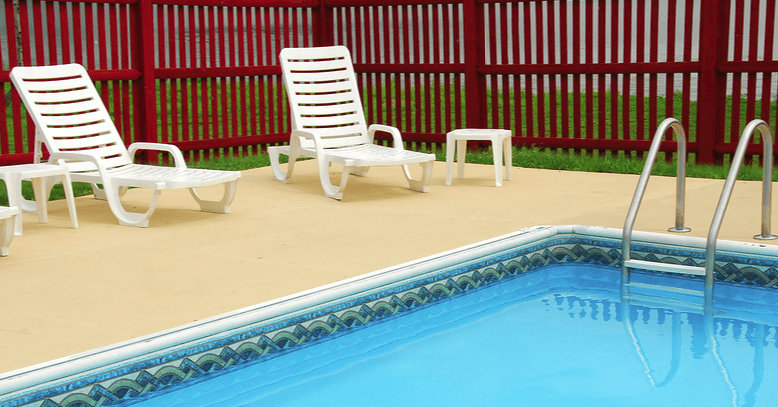
Pool fences are a matter of safety and local code: test the gate every time you walk past, since it takes seconds, and a simple adjustment is often all that is needed. No fence on the property matters more than the one around the pool, and a small adjustment now prevents a serious problem.
Fallen Sections, Broken Posts, and Fast Fixes
Severe weather is the most common cause of sudden fence damage: a gate left open can be torn from its hinges, and the first step is making the area safe. The morning after a storm is the time to look the fence over, making sure all the gates are latched and undamaged.
A temporary repair often comes first: full repair follows once the ground has dried and the damage is clear, and be ready to describe what has fallen and what it is protecting. The more detail you give, the better the first conversation goes, including how many posts or sections look involved.
Staying Ahead of Repairs in Bryan Texas
Twice a year, a careful look along the line is usually enough: check the posts at ground level, the gates, and the hardware, and ask a provider about anything unclear. Repair work is only worthwhile if the fix lasts, so pay attention to how posts are set and braced.
When you are ready to have someone take a look, phone 979-553-6447 and describe the problem. Whatever you have noticed is a good place to begin, and we will take it from there. A fence that is looked after tends to outlast one that is ignored, and it is true in every neighborhood around Bryan Texas. A plan for Farm Fence Maintenance is easier to make when the fence is in good shape, and the details help the next provider understand the history.