
Searching for Fencing Repair Services around Bryan Texas after a storm?
College Station Fencing mends, resets, and looks after fence lines for Bryan Texas yards.
Call 979-553-6447 and describe what the fence is doing.
Fences Age Whether or Not Anyone Is Watching
A fence stands outside through every season: clay soil swells and shrinks under the footings, and the fence tells you what it needs if you look. Fixing a fence early is almost always easier than waiting, and the fence keeps loading the parts that are left.
Owners who need help with Fencing Repair Services often began by spotting something small and putting it off. Looking along the entire run is the first useful step, and a few photographs help keep track. Think of upkeep as part of owning a fence in Bryan Texas, and it stays manageable when it is done regularly. The same fence can age very differently on two nearby lots, and that is why a visit beats a phone guess.
What a Struggling Fence Looks Like
Fences give a lot of notice if you know where to look: a post that leans or wobbles when pushed, and none of them gets better by waiting. Wood, metal, wire, and vinyl each show their trouble differently, so it helps to know what to look for.
The base of a post is where most failures begin: soft or crumbling wood means rot has set in, and the results tell you whether to patch or rebuild. One problem is often a symptom of another, and the pattern often says whether the soil, the water, or the wind is to blame.
Knowing When a Fence Has Had Enough
A limited problem often has a limited fix: a sagging gate can often be re-hung or rebuilt on a stronger frame, and the work stays small and quick to finish. Choosing among options for Fencing Repair Services is easier with the facts on the table, and an honest recommendation is worth more than a sales pitch.
There comes a point where patching is a poor use of effort: replacing the posts often matters more than replacing the boards, and it is worth hearing both options before choosing. Age matters, but condition matters more, so the post bases are worth more attention than the paint.
Soil Movement and the Fence Line
Most lasting fence damage starts in the ground: clay soil swells with water and shrinks in dry spells, loosening whatever sits in it, and the same ground will move the next post too. Take a level or a plumb line to the fence if you can, and a lean that is getting worse needs attention soon.
A proper reset starts with the post and the hole: check the neighboring posts, since they usually share the problem, and the repair holds through the next wet season. Be careful with large repairs near utilities, and nothing should be dug until the lines are marked. Hard ground slows every post repair, and the schedule should allow for slower digging.
Why Gates Fail and How They Are Repaired
Gates take more daily abuse than anything else on the line: hinges loosen and latches wear, and adjusting the hardware is often all it takes. Hardware matters as much as lumber on a gate, and tightening alone cannot fix a hinge that is too light.
Many gate repairs are small: a diagonal brace, a heavier hinge, or a new latch is sometimes enough, and a small adjustment can change how it feels every day. Test a repaired gate before the job is called finished, and look at how the latch meets the post.
Protecting the Surface That Weather Attacks First
Surface wear is the first stage of fence aging: a fresh coat is worth far more on sound wood than on damaged wood, and doing it before the wood fails keeps the whole fence going longer. Skipping the cleaning step is the most common mistake, and rushing the job shortens the life of the finish.
Vinyl and aluminum ask for less, but neither one is a set-and-forget material: aluminum needs little more than cleaning and an occasional look at the joints, and honest advice on that point is part of the job. Before changing a stain color, check what your neighborhood requires, and replacement sections are usually expected to match.
Rural and Safety Fencing Takes Regular Attention
Fence lines with a job to do need more frequent checks: barbed wire loosens as posts shift, and quick repairs keep animals where they belong. A fence at the back of a property is easy to forget, so a regular walk along the whole line is worth the time. Barbed wire, woven wire, and pipe fencing each wear in their own way, and ranch gates need heavy hinges and strong braces.
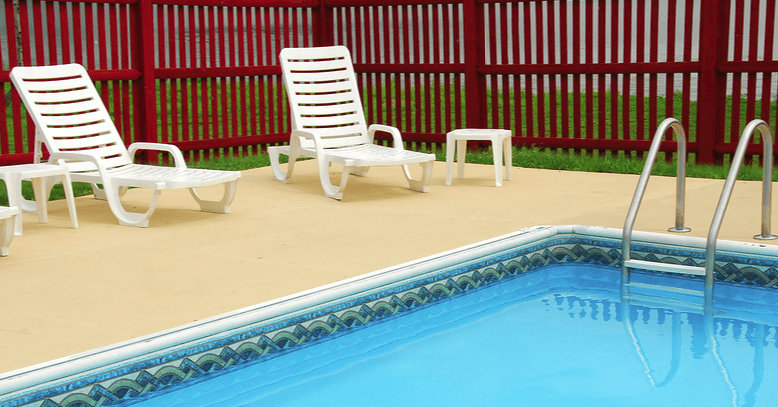
A pool fence must close and latch every time: climbable gaps, loose pickets, and failing latches all need prompt attention, and a fence that does not latch is not doing its job. No fence on the property matters more than the one around the pool, and it only takes a few seconds.
When Weather Takes Down a Section of Fence
Thunderstorm winds are rough on fences: a gate left open can be torn from its hinges, and the first step is making the area safe. Check for damage as soon as it is safe to go outside, and calling about anything that cannot wait.
Getting the gap closed matters before anything else: bracing a leaning section, tying a gate shut, or stretching temporary wire can be enough for a few days, and it is better to say it is urgent when you call. A few facts make the next step easier, and whether any animals, children, or pools are involved.
Making Upkeep a Regular Habit
Twice a year, a careful look along the line is usually enough: test every latch and every hinge, and group the larger items into one visit. Quality shows in how a fix holds up, and see that the repair matches the original in strength.
If something on your fence needs attention, reach College Station Fencing at 979-553-6447 to talk through the options. Whatever you have noticed is a good place to begin, and a rough idea is plenty to start. Small jobs done on time keep a fence going for many seasons, and it is true in every neighborhood around Bryan Texas. Good habits shrink the job behind Fencing Repair Services whenever it comes up, and photographs show how the fence has changed.