
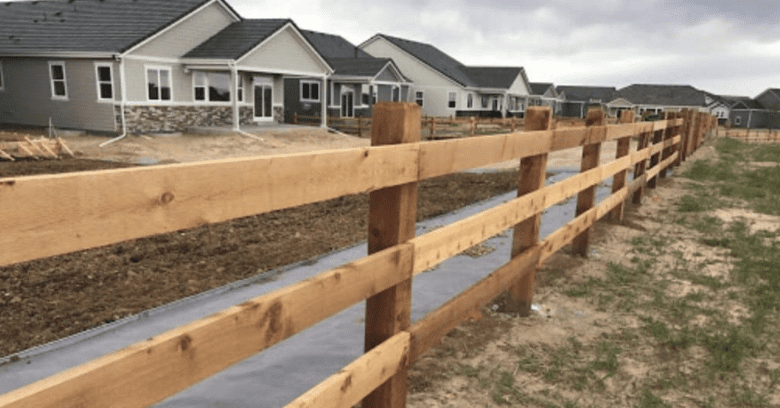
Choosing Between Options for Fence Company across Bryan?
College Station Fencing shows its work before it asks for yours for Bryan lots.
Reach us at 979-553-6447 and ask us anything about the work.
Who Does What on a Fence Job
A good fence job is a bundle of small responsibilities: laying out corners, setting the footings, fastening the rails, and finishing the surface, and when one step is skipped, the fence usually shows it within a season or two. Take notes during every conversation, and any gaps in the answers become obvious. Learn which cleanup tasks are included in the scope, because leaving the yard tidy is part of the work.
Property owners researching options for Fence Company are really choosing who will be responsible for the whole sequence. If an answer is vague now, it will be vaguer when something goes wrong, and it is easy to repeat with every provider. Use one list of questions for the whole search, and the differences between them show up on their own.
What a Clear Fence Proposal Contains
Every serious proposal puts the details on paper: the starting point, the corners, and how the line meets any slope, and a missing detail usually turns into a surprise on installation day. Items missing from the page are worth noticing, and ask about each gap before agreeing to anything.
Comparing proposals only works when they describe the same fence: notice which proposal says how the line will be laid out around trees, slopes, and corners, and the differences show up only after a few wet seasons. Technical terms should be explained, not skipped, and understanding the line is part of agreeing to it. See whether the gate frames and hinges are named, and sagging gates are the complaint heard most often.
Asking to See What Has Already Been Built
Photographs show a fence on its sunniest day, but a standing fence shows more: see whether the boards have stayed tight and the finish has held, and compare the age of the fence with how it looks now. Pay special attention to the gates, since a hinge that sags is the first sign of a footing problem.
If you are shopping for Fence Company across Bryan, seeing the same fence type you want is worth the extra drive. Experience with one fence type does not carry over to every other, and the reverse is just as true. Seeing two or three examples is better than seeing one, and you can compare the corners and the gate hardware directly.
How a Provider Handles Local Soil and Weather
Local conditions decide a lot about what holds up and what does not: heavy rain bursts leave water standing at the base of posts, and the difference shows up as a straight fence or a leaning one. Expect talk about posts, footings, and drainage rather than slogans, and it is fine to ask for the same explanation again. A hole that hits rock should have a plan behind it, and it keeps the schedule from slipping without explanation.
Ask how the fence is built to handle strong wind without tearing loose: a confident answer is short and specific, and keep asking until the picture is clear. It is also fair to ask about neighborhood rules, because city permits vary by town and rural areas often have none.
Matching the Provider to the Kind of Fence
Matching the provider to the fence is half the battle: vinyl and chain link need accurate layout and correct hardware, and a provider who does a type of fence regularly tends to know its pitfalls. The purpose of the fence drives the design, and that conversation reveals how the provider thinks. Mention livestock, pets, or deer early in the conversation, and a provider who asks first is a good sign.
Interest in Fence Company can include new work, repair, staining, or replacement: a short conversation about the real project is the most useful filter. Walk through the lot in your mind before the call, such as soil conditions you have noticed, drainage, and any existing fence.
Who Shows Up, When, and What You Hear Along the Way
A fence job depends on a handful of dates and handoffs: the 811 utility locate has to come back before digging begins, and any change to the plan should be confirmed in writing. Allow room in the schedule for weather, and a calm schedule beats a rushed one. Confirm who is responsible for calling 811 before any digging, and it should appear in the schedule.
The first few conversations show how the rest of the job will go: clear answers, a plain explanation of the sequence, and a willingness to put things in writing are good signs, and vague promises are not. Questions from the provider are a good sign, and it shows interest in the result and not only the job.
Repairs, Follow-Up, and Storm Season
New fences settle, and clay soil moves them: a gate may need to be re-hung after the ground settles, and small adjustments are easier than big repairs. Walk the fence after the first heavy rain, and make a short list of anything that needs adjusting.
Storm winds and heavy rain are part of life here: ask about emergency repair, since a fallen section next to a pool or a pasture cannot wait, and that is a useful thing to know before the weather turns. Prepare for storms before they arrive, by looking at leaning posts and any gaps at the bottom. Learn what happens when a fence needs help in a hurry, and a temporary fix is sometimes the first step.
Starting a Conversation in Bryan
A good provider makes the whole job easier to understand: what is being built, how it is anchored, who handles each step, and what happens afterward, and it is worth applying to every option. The method is the same for any fence in Bryan, and a short list is usually enough.
When you want a plain discussion of Fence Company across Bryan, dial 979-553-6447 and tell us about the fence you have in mind. Bring your property lines, your gate locations, and any neighborhood rules you already know about, and nothing needs to be perfect on the first call. There is no hurry to decide on the first call, and a good provider will understand that.