Introduction
Choosing the right fence for your property is a crucial decision that impacts both aesthetics and functionality. Whether it's privacy, security, or simply enhancing your landscape, a well-chosen fence can significantly add value to your property. This guide walks you through the essential steps in selecting the perfect fence.
Step 1: Determine the Purpose of the Fence
Before diving into materials and designs, it's crucial to understand why you need a fence. Are you looking for privacy, security, or purely for aesthetic reasons? By prioritizing your needs, you can narrow down the types of fences that will best meet your requirements.
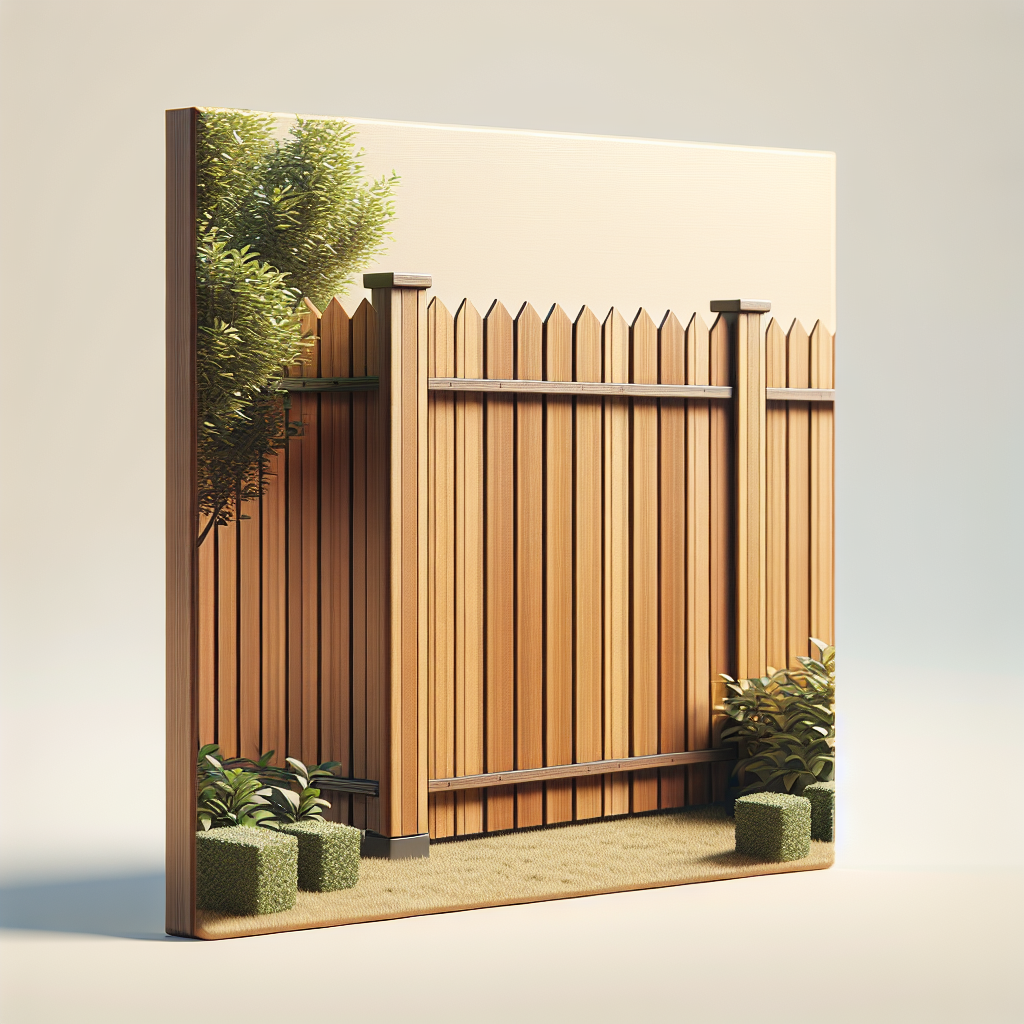
- Privacy: If privacy is your main concern, consider taller, solid fences like wood or vinyl.
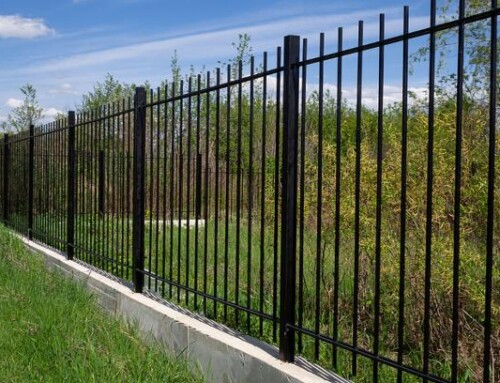
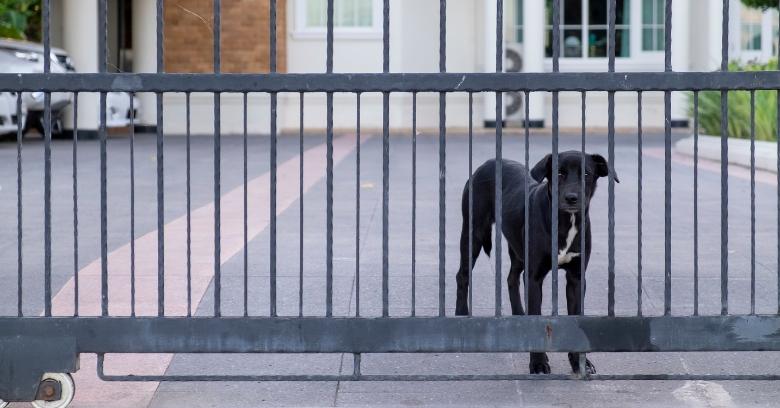
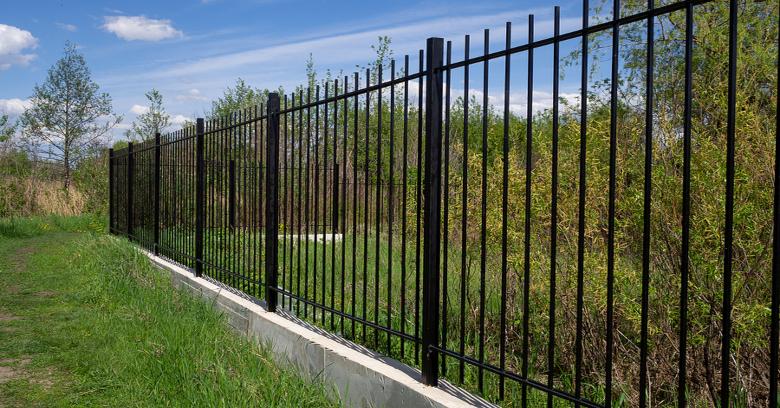
- Security: For enhanced security, metal options such as wrought iron or aluminum are often more sturdy and durable.
- Aesthetics: For an aesthetically pleasing touch, picket or lattice fences can add charm to your property.
Step 2: Consider Local Regulations and HOA Guidelines
Before making any decisions, check your local building codes and homeowner association (HOA) guidelines. Some communities have restrictions on the height, material, and style of fences.
- Local Building Codes: These can be found on your city's website or by contacting local authorities.
- HOA Guidelines: Review any HOA rules which might require approved materials, colors, or heights for fences.
Step 3: Evaluate Different Materials
The choice of material greatly affects the durability, maintenance, and appearance of your fence. Here are various options to consider:
- Wood: Classic and versatile, but requires regular maintenance.
- Vinyl: Low maintenance and durable, but can be more expensive.
- Metal: Options like wrought iron or aluminum offer high security but may need rust protection.
- Composite: Combines wood fibers and plastic for a durable and low-maintenance option.
Step 4: Determine Your Budget
Setting a realistic budget is essential for your fencing project. Costs can vary significantly based on material, size, and installation.
- Cost Factors: Material type, height of the fence, and length of the perimeter.
- Budget Tips: Balance cost with durability. Sometimes higher upfront costs can save money in the long run on maintenance.
Step 5: Measure Your Property
Accurate measurements are critical for ordering materials and planning installation.
- Tools Needed: Tape measure, string, stakes, and a level.
- Measuring Tips: Mark the corners and measure along the string line to ensure straight lines and proper measurements.
Step 6: Decide on Fence Style and Design
Choosing the right style and design ensures your fence not only meets its functional purpose but also enhances your property's look.
- Fence Styles: Picket, privacy, lattice, and split rail are popular options.
- Design Considerations: Match the design with your home’s architecture and landscaping for a cohesive look.
Step 7: Plan for Installation
Decide whether to tackle the project as a DIY or hire a professional installer.
- DIY Installation: Suitable for those with some handyman skills and the right tools.
- Professional Installation: While more expensive, ensures proper installation and often comes with a warranty.
Conclusion
Selecting the right fence involves careful planning and consideration of various factors like purpose, material, budget, and local regulations. Following these steps ensures you choose a fence that meets all your needs and adds value to your property.
Key Takeaways
- Understand the primary purpose of your fence.
- Check local regulations and HOA guidelines.
- Evaluate different materials and their pros and cons.
- Set a realistic budget considering all cost factors.
- Accurately measure your property.
- Choose a style and design that complements your home.
- Decide on DIY or professional installation based on your capabilities.
FAQs
1. What is the best material for a privacy fence?
Wood and vinyl are popular choices for privacy fences due to their solid construction.
2. How tall should my fence be for security?
For security purposes, fences are typically 6-8 feet tall.
3. What are some low-maintenance fencing options?
Vinyl and composite materials are low-maintenance, requiring only occasional cleaning.
4. Can I install a fence myself?
Yes, if you have the necessary tools and skills. However, professional installation is recommended for best results.
5. How do I check local building codes?
You can find local building codes on your city’s official website or by contacting local authorities.
6. What style of fence works best for aesthetics?
Picket and lattice fences are great for enhancing the visual appeal of your property.
7. How do I measure my property for a fence?
Use a tape measure, string, and stakes to mark and measure the area where the fence will be installed.
8. What should I consider in my budget for a fence?
Factor in the costs of materials, installation, and any additional features like gates.
9. Are there eco-friendly fencing materials?
Yes, materials like bamboo and recycled composite are eco-friendly options.
10. How long does it take to install a fence?
DIY projects might take several days to a week, while professional installation can be quicker depending on the size and complexity of the fence.