
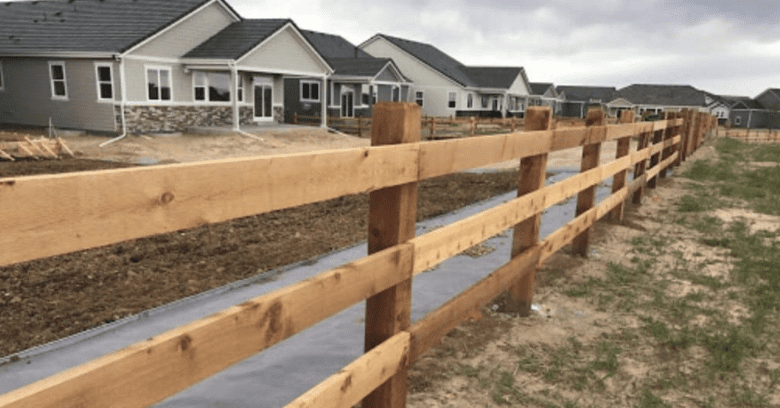
Shopping Around for Fencing Restoration Company across College Station?
College Station Fencing keeps every fence job spelled out from the first visit to the last gate latch on College Station lots.
Dial 979-553-6447 and bring your questions.
Who Does What on a Fence Job
The word fence covers a lot more work than the finished product suggests: measuring the line, ordering materials, setting posts, attaching panels, and hanging gates, and when one step is skipped, the fence usually shows it within a season or two. Keep a short note of what each provider says, and any gaps in the answers become obvious. Check who is responsible for the trash and the cleanup, and a clean site is a sign of a careful provider.
People starting a search do well to sort out the responsibilities before looking at anything else. Clear answers early are the strongest sign of a smooth job later, and it works for any fence type. Take the same questions to each provider, so that nobody gets an easier test than anyone else.
What a Written Scope Should Spell Out
Every serious proposal puts the details on paper: the starting point, the corners, and how the line meets any slope, and the more specific it is, the fewer arguments come later. Read for what is absent as well as what is there, such as gate hardware, post depth, and what happens to the old fence.
The honest way to weigh one proposal against another is detail by detail: see whether the proposal describes the fastening, the finish, and the cleanup, because that is where shortcuts tend to live. Never be shy about asking what a term means, because an unclear line today becomes an argument later. Check the gate details in each one, because that is where weak hardware hides.
Looking at Finished Work
A fence a few years old tells you what a photograph cannot: walk along the run and watch for leaning posts and gaps at the bottom, and notice the condition of the corners, which carry the most strain. Look closely at the gates too, and latches and stops are easy to check in seconds.
If you are shopping for Fencing Restoration Company across College Station, choose an example of the same height and style if one is available. A provider can be excellent at one kind of fence and ordinary at another, and the reverse is just as true. Take the time to see more than one, and it shows how the same type of fence ages on different lots.
How a Provider Handles Local Soil and Weather
Soil and weather around College Station are hard on fences: caliche and rock can sit shallow, which changes how the posts are set, and a good answer is specific about depth, bracing, and drainage. The most convincing explanations are about the ground and not about the brochure, and general statements without specifics should prompt another question. A hole that hits rock should have a plan behind it, and it keeps the schedule from slipping without explanation.
Ask what happens at the base of a post to keep water from sitting there: listen for how and why, not only for reassurance, and if it does not, ask for it to be written into the scope. Do not overlook the rulebook, because city permits vary by town and rural areas often have none.
One Fence Company Does Not Fit Every Fence
The kind of fence changes what to look for in a provider: ranch and farm fencing depends on stretched wire, braced corners, and gates for animals and equipment, and a specialist usually answers faster and with more detail. Describe the fence in terms of use rather than only material, and that conversation reveals how the provider thinks. Who or what the fence is for changes the design completely, and a pool barrier is an entirely different job from a pasture line.
Looking for Fencing Restoration Company usually means one specific project hiding in a broad term: a short conversation about the real project is the most useful filter. Know the basics of the site before talking, such as soil conditions you have noticed, drainage, and any existing fence.
Scheduling, Weather, and Staying Informed
A fence job depends on a handful of dates and handoffs: neighbors, pets, and gates all need to be considered before the work starts, and good communication keeps small changes from becoming big arguments. Flexibility is part of a fence project, since heavy rain and wind change what can be done on a given day. Check who places the utility locate request, and skipping it is never worth the risk.
The first few conversations show how the rest of the job will go: specific dates, named steps, and plain language are all useful signals, and vague promises are not. The strongest conversations go both ways, because a fence should fit the property and not a template.
Repairs, Follow-Up, and Storm Season
The first year tells you a lot about how a fence was built: stain and sealer wear first where the sun is hardest on the surface, and small adjustments are easier than big repairs. A follow-up walk takes little time and tells you plenty, and watch the base of the posts and the gate latches.
Severe weather finds the weak points of a fence quickly: a provider who also repairs fences is easier to count on when something breaks, and knowing that early saves a scramble later. It helps to know the weak points before the next storm, by looking at leaning posts and any gaps at the bottom. Check how a provider responds when a fence goes down, and a plain explanation is better than a promise.
Bring Your Questions and Your Property Line
A good provider makes the whole job easier to understand: the scope in writing, the finished work you can see, and the answers that were specific, and it is worth applying to every option. The approach carries from one project to the next, and they give a fair picture without any special knowledge.
When you want a plain discussion of Fencing Restoration Company across College Station, phone 979-553-6447 and describe the project. Bring your property lines, your gate locations, and any neighborhood rules you already know about, and we will take it from there. A careful decision beats a fast one, and answers are available whenever you want to ask again.