
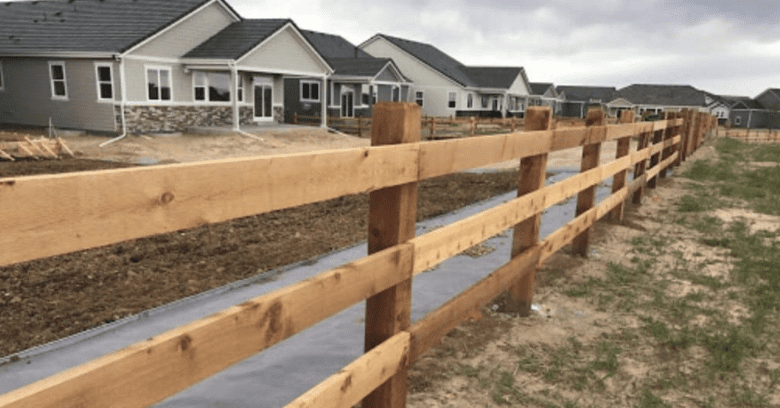
Choosing Between Options for Ranch Fencing Company around College Station?
College Station Fencing explains what is built, how, and who handles each step at College Station yards.
Dial 979-553-6447 to talk through what you need built.
Who Does What on a Fence Job
A good fence job is a bundle of small responsibilities: planning the run, handling the haul-away, and checking every gate before leaving, and each step has someone who either does it well or does not do it at all. Put the main points in a list, which makes the last decision far less of a guess. Ask who handles the haul-away of old material, since a pile of broken boards can sit for weeks.
Property owners researching options for Ranch Fencing Company are really choosing who will be responsible for the whole sequence. Clear answers early are the strongest sign of a smooth job later, and it is a habit worth keeping. Take the same questions to each provider, and the pattern appears after two or three conversations.
Putting the Job in Writing
Every serious proposal puts the details on paper: the length of the run, the number of gates, and where each one swings, and every item left out is a question waiting to be asked later. Watch for the details that are easy to leave out, including drainage at the base of the posts.
The honest way to weigh one proposal against another is detail by detail: notice which proposal says how the line will be laid out around trees, slopes, and corners, and the gaps between proposals usually hide there. Never be shy about asking what a term means, and nothing about a fence is too small to ask about. Gates deserve their own line in any proposal, and sagging gates are the complaint heard most often.
Looking at Finished Work
A fence a few years old tells you what a photograph cannot: look at the post bases for rot, rust, or heaving, and think about whether it was built for the ground it stands on. Pay special attention to the gates, since a hinge that sags is the first sign of a footing problem.
If you are shopping for Ranch Fencing Company across College Station, the closest match to your own project tells you the most. Ranch wire and decorative iron are close to separate trades, so ask about the specific type you want. Looking at several examples gives a sense of the range, and it is an easy way to judge workmanship.
Clay, Rock, Wind, and Heat: Do They Know the Ground
Fences in College Station face a set of conditions that punish shortcuts: caliche and rock can sit shallow, which changes how the posts are set, and a vague answer is a reason to ask again. A good provider explains the reason behind each choice, and general statements without specifics should prompt another question. Ask what happens when the digging goes differently than planned, and that is usually a sign of real field knowledge.
Ask whether the wood will be treated, stained, or left to weather: a confident answer is short and specific, and write down what you are told so it can be compared later. Many neighborhoods have their own say in what goes up, and a provider should know who to ask and what to check.
Specialty Fences, Specialty Providers
Some fences are straightforward, and others are close to separate trades: wood privacy fences depend on straight posts, tight pickets, and a good stain or sealer, and a provider who does a type of fence regularly tends to know its pitfalls. Be specific about the project when you talk, and anything that does not fit the purpose can be dropped. Mention livestock, pets, or deer early in the conversation, and a pool barrier is an entirely different job from a pasture line.
Looking for Ranch Fencing Company usually means one specific project hiding in a broad term: describe the actual job and see how the provider responds. Walk through the lot in your mind before the call, including slopes, trees, gate locations, and where the line meets a neighbor.
What Good Communication Looks Like on a Fence Job
Planning a fence means planning around utilities, materials, and weather: neighbors, pets, and gates all need to be considered before the work starts, and it helps to know in advance who will be on site. Build some slack into the calendar, because locates and materials do not always arrive on time. Find out who arranges for buried lines to be marked, and it is a basic safety step that belongs at the start.
Early communication is a preview of the whole project: straight talk about the unknowns is reassuring, while evasive answers deserve a second look. The strongest conversations go both ways, because a fence should fit the property and not a template.
Repairs, Follow-Up, and Storm Season
The first year tells you a lot about how a fence was built: stain and sealer wear first where the sun is hardest on the surface, and small adjustments are easier than big repairs. Check the fence a few weeks after the work is done, and early notice keeps small issues small.
After a bad storm, a fence shows what it was made of: find out whether the provider handles repair work as well as new construction, and that is a useful thing to know before the weather turns. Think through the plan before the weather forces it, by tightening loose boards and checking the gates. Learn what happens when a fence needs help in a hurry, and it tells you how the provider views repair work.
When You Are Ready to Talk It Through
By now the list of things to check is short and practical: the right fence type, the right skills, and a clear schedule, and the answers are easy to compare. Nothing here depends on the style you choose, so the effort pays off on any future project too.
If it is time to move from research to a real discussion about Ranch Fencing Company in College Station, dial 979-553-6447 and tell us about the fence you have in mind. A sketch on paper is plenty to get started, and the rest can be worked out together. There is no hurry to decide on the first call, since a fence stays up for a long time.