
Ready for Fence Repair around Bryan Texas after a storm?
College Station Fencing mends, resets, and looks after fence lines for Bryan Texas homes.
Dial 979-553-6447 to talk about the damage or the wear.
Fences Age Whether or Not Anyone Is Watching
Few things around a property take as much weather as a fence: strong summer sun fades and cracks finishes, and repair is simply part of owning any fence. Time is not on the side of a damaged fence, and the cause rarely goes away on its own.
Households looking into Fence Repair are generally trying to learn how bad the damage really is. A clear look at the whole line answers that for any fence in Bryan Texas, and the answer shapes everything after it. Regular care is what keeps a fence on the job, and it rarely needs special tools or skills. No two fence lines in Bryan Texas wear in quite the same way, and the repair plan should fit the property.
What a Struggling Fence Looks Like
A fence rarely fails without warning: rust bleeding from the joints of metal rails and pickets, and catching them early keeps the repair small. Wood, metal, wire, and vinyl each show their trouble differently, and knowing the pattern makes the diagnosis faster.
Look at the bottom few inches of every post: rusted metal at the base needs attention before it weakens, and the findings decide what the repair will involve. When several things go wrong together, there is usually one cause, since fixing the effect without the cause invites a repeat.
Knowing When a Fence Has Had Enough
A worn fence does not always need to come down: loose fasteners and failed hardware can be swapped for better ones, as long as the rest of the fence is sound. Choosing among options for Fence Repair is easier with the facts on the table, and that includes what each path involves and how long it should last.
If most of the posts are soft or loose, the whole structure is in question: replacing the posts often matters more than replacing the boards, and that conversation is the right place to start. A well-built older fence can outlast a poor new one, and a close inspection is the only reliable test.
Posts, Footings, and Moving Clay
A post that leans is telling you about its footing: water pooling at the base softens the soil and rots the wood, and the same ground will move the next post too. Holding a level against a post tells you a great deal, and a note of where each lean starts helps the repair.
Sound repair work begins underground: remove the old footing, correct the depth, and pour a fresh base shaped to shed water, and the fence line comes back straight and stays that way. Utility locates are a first step even for a single post, and property lines and survey pins matter as well. Where the soil is thin over rock, a footing is built differently, and the schedule should allow for slower digging.
Fixing a Gate That Will Not Behave
Of everything in a fence, gates move the most: ground movement shifts the post and changes the gap, and a repair usually starts with the post and the frame. Hardware matters as much as lumber on a gate, and rust on hardware is a warning to replace it.
Many gate repairs are small: swapping worn hardware is quick work compared with the time it saves, and it is among the repairs people notice most. Open and close a repaired gate several times before relying on it, and watch whether the hinge post moves under the load.
Refinishing a Worn Fence
A finish does its job quietly until it stops: a fresh coat is worth far more on sound wood than on damaged wood, and the timing matters more than the product. Stain applied over dirt and loose fibers will not hold, and two thin coats beat one thick one.
Each material wears in a different way: vinyl benefits from washing and a check of the hardware, and keeping up with small touch-ups prevents bigger repairs. Some communities require approval for a new look, and replacement sections are usually expected to match.
Working Fences Need Working Maintenance
Safety fencing is only useful if it works every day: barbed wire loosens as posts shift, and corners deserve special attention because they carry the load. Remote fence lines can fail for months unnoticed, and an overgrown fence deserves a careful look. Barbed wire, woven wire, and pipe fencing each wear in their own way, and a stretched line holds animals better than a loose one.
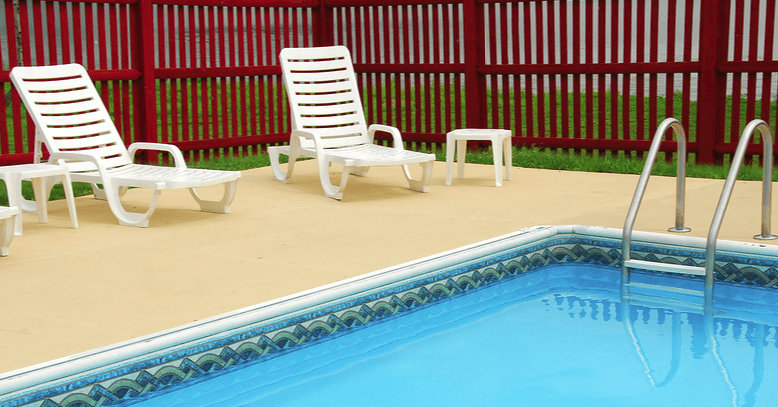
A pool fence must close and latch every time: climbable gaps, loose pickets, and failing latches all need prompt attention, and it is a repair no one should put off. Pool fences should be checked more often than any other, and if the latch is failing, repair it right away.
After the Storm: Securing and Fixing a Damaged Fence
Thunderstorm winds are rough on fences: a gate left open can be torn from its hinges, and the first step is making the area safe. Strong winds make it worth checking the whole line after a storm, noting any gaps where animals could get through.
A temporary repair often comes first: full repair follows once the ground has dried and the damage is clear, and clear information helps a provider decide what to do first. A few facts make the next step easier, including how many posts or sections look involved.
Small Habits That Prevent Big Repairs
A routine walk along the fence catches most problems early: note anything that has changed since the last look, and fix small items right away. Lasting repairs address the cause, and a short follow-up after the first rain is worth doing.
If something on your fence needs attention, reach College Station Fencing at 979-553-6447 to talk through the options. Whatever you have noticed is a good place to begin, and a rough idea is plenty to start. Small jobs done on time keep a fence going for many seasons, and that is true for every fence type. Staying on top of small problems keeps the work behind Fence Repair manageable, and the details help the next provider understand the history.