
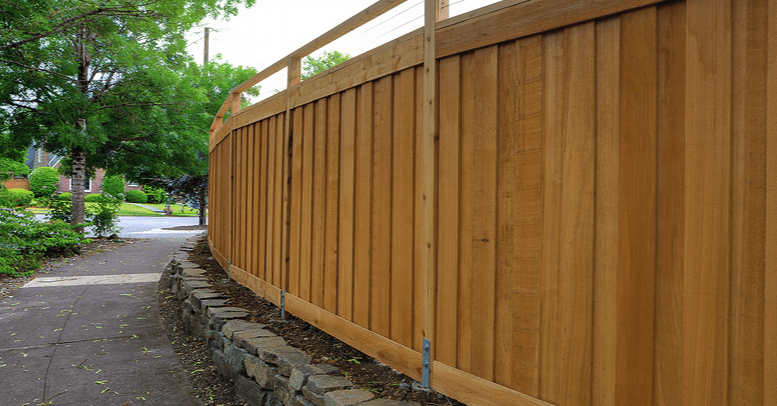
Need Fence Services across College Station Texas?
College Station Fencing handles the layout, the build, and the upkeep of yard and field fencing around College Station Texas yards.
Contact us at 979-553-6447 to go over what the work involves.
How Fence Services Truly Gets Going – a Slow Walk Along the Line
The work starts on foot, with a slow walk along the whole run before anything is drawn or ordered, and a good plan gets its shape on the ground. Photos, measurements, and notes are taken as the walk goes along, and nothing about the property is left to memory.
A fence line runs through a string of small conditions, and no two stretches match, and a plan built without seeing the ground tends to need changes later. The visit settles the basics, such as where the fence starts and stops and where each gate belongs, and the answers go straight into the plan. Mud, slope, and soft ground can keep heavy equipment off the line in wet weather, and the route to the line affects the schedule more than people expect.
Anyone planning Fence Services around College Station Texas saves the most trouble by getting this stage right, and a rushed look usually becomes a change in the middle of the job. Access matters on every property, because materials and equipment have to reach the line, and the plan changes to match the property.
Knowing Exactly Where Your Land Ends
A fence that lands on someone else’s ground is one of the hardest problems to undo, and the cure is simply to confirm the line before any hole is dug. Pins are the small metal markers a surveyor sets at the corners of a lot, and finding the pins is a small job that prevents a large problem.
The reliable evidence of a line is a survey, a recorded plat, and the pins set in the ground, and an owner should not rely on how the old fence happens to run. A line that looks settled may be wrong, and it may never have been right at all, and knowing that before anything new goes up saves trouble. Where nothing is on file, a new survey is the dependable answer, and a documented line is something everyone can see.
Neighbors should hear about a fence before the first post goes in, not after the last, and a plain talk is far better than an apology afterward. Some owners leave a narrow strip inside the edge so later upkeep never becomes a dispute, and giving up a little yard saves a lot of argument. Corner lots, shared alleys, and easements can change where a fence is allowed to sit, and the recorded paperwork usually answers the question.
What Has to Be Cleared Before Digging
A post hole is a small excavation, and fence posts go deeper than most people expect, and the standard step is to have the underground utilities marked through 811. A careful provider treats the marks as a fixed part of the plan, and the work waits until the marks are in. Marks cover public utility lines, so private lines like irrigation or pool plumbing may need separate attention, and the posts are adjusted to stay clear of every mark.
Whether a permit is needed is a question for the local office, not a guess, and typical limits cover height, distance from the street, and clear sight lines at corners. With Fence Services near College Station Texas, nothing about permits is left to chance, and nothing has to be rebuilt to meet a rule that was missed.
Many planned neighborhoods require sign-off on the design first, and what can be seen from the street is often regulated. Get the approval in writing, and keep the signed paperwork with the project, and make sure the approval covers the exact height and style planned. Some associations limit fence color, picket shape, and gate style as well, and the schedule allows for the wait.
Setting Posts in Clay Ground
Everything a fence does depends on how well its posts were set, and the same goes for gates. Dirt in this part of the country moves, hardens, and floods by turns, and with ground that sometimes has to be drilled instead of dug. Heavy panels, strong wind exposure, and soft soil all call for deeper holes, and the plan says so in plain terms.
For Fence Services across College Station Texas, the foundation matters more than it looks, and the footing is worth asking about up front. The base of a post should shed water, not hold it against wood or metal, and careful work shows in the details. Rain bursts in spring and fall test a fence harder than a dry month ever will, and good drainage adds a lot to the life of the fence.
Wherever a fence turns or opens, the post is working harder than a line post, and the spacing follows what the fence has to do. A solid fence asks much more of its posts in a storm than an open one does, and post strength is no place to cut corners. A stronger rail and a deeper post make a solid fence safer, and the owner can choose between privacy and wind resistance.
Choosing What Goes Between the Posts
What a fence is asked to do narrows the choice faster than any catalog does, and the same fence rarely suits every job. Something meant to stop livestock is built on different principles than something meant to frame a yard, and the difference is worth saying clearly at the start. Strong UV fades and cracks finishes on wood, vinyl, and coated metal alike, and a little care at the start slows the wear.
Screws, nails, and hinges bear every load a fence carries, and good framing is the reason one fence outlasts another. Rot and termites explain why the base of a post gets so much attention, and the point holds on every kind of fence. Galvanized or coated hardware resists rust better than bare steel, and the type of fastener is a fair question to ask.
A sensible plan for Fence Services in College Station Texas puts every component on paper before ordering, and the answers should match the plan. Rural fencing has its own set of choices, and wire tension is checked after the first few weeks.
The Gate Is the Hardest-Working Part of the Fence
Every gate hangs from a post that is pulled sideways with each use, and a sagging gate is what people notice. The footing at a gate has to resist the pull of the hinge every day, and solid posts keep the opening true. Gate hardware has to match the gate, and hardware is easier to pick well before the gate is built.
The latch location and what it catches on are decided before the hinges are chosen, and openings are part of what scoping involves. Rural gates take more punishment, and the hardware is chosen accordingly, and access is planned around how the gate will be used. Wide gates for vehicles need extra thought, and the site decides which type works.
Pool barriers have their own rules, and they vary by town, and style comes after the rules. For Fence Services across College Station Texas, a self-closing gate is tested before the job is called finished, and hardware that fails is replaced, not tolerated. The fence around a pool is inspected as a whole, not gate by gate, and these details are part of local code in many places.
How the Build Unfolds, Step by Step
There is a logical order to a fence project, and a good provider sticks to it, and the schedule is built around the order. Stakes and string go in first so the run can be looked at before anything is committed, and the string stays up until the last post is set. Work that is rushed in bad conditions tends to show later, and flexibility is part of doing it right.
Posts stand alone for a while so the concrete can set properly, and curing is one of the quietest parts of the job. The framing goes on after the posts, followed by whatever makes up the face of the fence, and each section is checked as it goes up. Staging materials near the line saves time and handling, and counting materials is a simple habit that pays off.
The last big step is hanging each gate and checking its swing and clearance, and the finished run is compared with the original scope. That is the standard behind Fence Services throughout College Station Texas, post by post and gate by gate, and loose ends are dealt with on the spot. Any open question about the line, the gates, or the finish is settled before leaving, and the handover is a courtesy as much as a requirement.
The Long Life of a Fence: Upkeep, Fixes, and Replacement
Once the build is done, the fence starts its long fight with the weather, and a plan for upkeep belongs in the original plan. Looking for leaning posts, loose boards, and sagging wire is the simplest fence work there is, and moisture at the base is where most decay begins. Wood fences benefit from a sealer or stain on a regular schedule, and none of the routines takes long.
Storm damage to one stretch rarely means the rest has to come down, and the line is checked before anything is touched. Making the line safe comes before planning the lasting fix on Fence Services throughout College Station Texas, and the fix is matched to what actually failed. A tree on a fence line should come off promptly to limit damage, and photos help if anything has to be reported.
Rot in many posts, widespread rust, or a whole run leaning means patching is just delay, and the posts usually tell the story. Weigh what repeated fixes will add up to against how long a new run will last, and on Fence Services near College Station Texas it comes after the posts are actually looked at. New posts are rarely set in the old holes, and the walk-through is repeated for the new work.
One Call Gets the First Step Moving
A fence planned from beginning to end is the one that lasts, and the later chapters are easier when the first is done well. That is the thinking behind our Fence Services work around College Station Texas, and every phase gets its own attention. Thinking about all the phases together makes each one easier, and each one gets its own attention on Fence Services around College Station Texas.
Whether the fence is new, tired, or storm-damaged, the first step is the same, and it happens at the property. Dial 979-553-6447 to start with the line, the gates, and the plan, and the conversation starts with what you want the fence to do.