Are you planning to add a fence to your property in College Station, Texas? If so, there's a good chance you're searching for a reliable fence contractor and wondering what your new fencing project might actually cost. Whether you're aiming for privacy, security, curb appeal, or all of the above, understanding the various factors that influence fencing costs is the key to making smart decisions and avoiding expensive surprises down the line.
In this comprehensive guide, we'll walk you through everything you need to know to confidently estimate the cost of your new fence project. We'll explore why choosing a professional fence contractor in Bryan or College Station, Texas, matters, break down the different types of fencing materials and their impacts on pricing, and provide actionable advice you can use, no matter the scope of your fencing project.
Key Factors That Influence Fence Project Costs
When you're ready to start a fencing project in Bryan or College Station, it helps to know what drives pricing so you can budget accurately and avoid "scope creep." Here are the main factors that go into a fence estimate:
1. Fence Material
The type of material you select is the single biggest factor in your overall cost. Each material brings its own balance of price, longevity, maintenance, and aesthetic appeal:
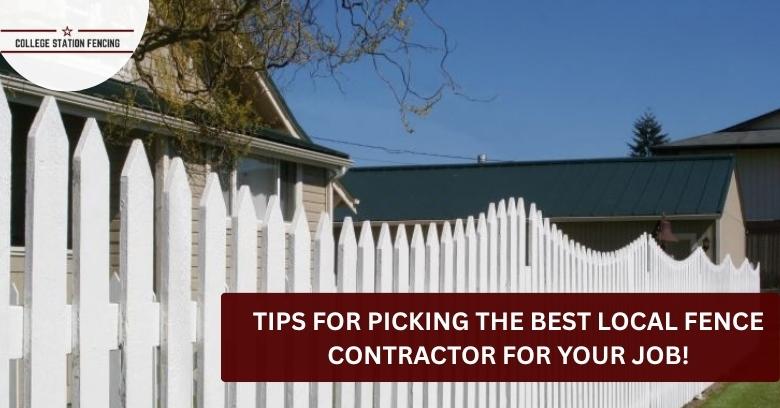
- Wood Fencing: Loved for its classic look and versatility, wood fencing can range from affordable treated pine to pricier cedar or redwood. Maintenance—think staining and sealing—adds to the long-term cost.
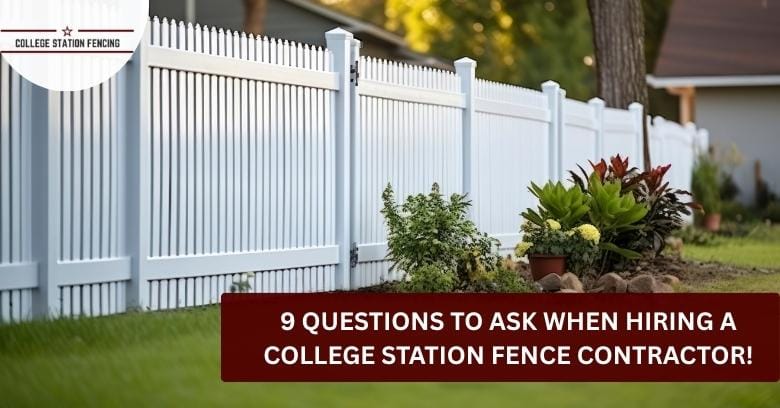
- Vinyl Fencing: Durable and low maintenance, vinyl's upfront cost is generally higher, but you save on refinishing and repairs.
- Chain Link Fencing: One of the most cost-effective solutions, chain link is great for security and pet containment. However, it's not as private, and aesthetic upgrades (like privacy slats) add to the cost.
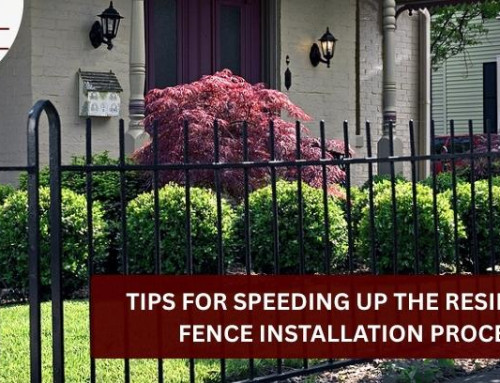
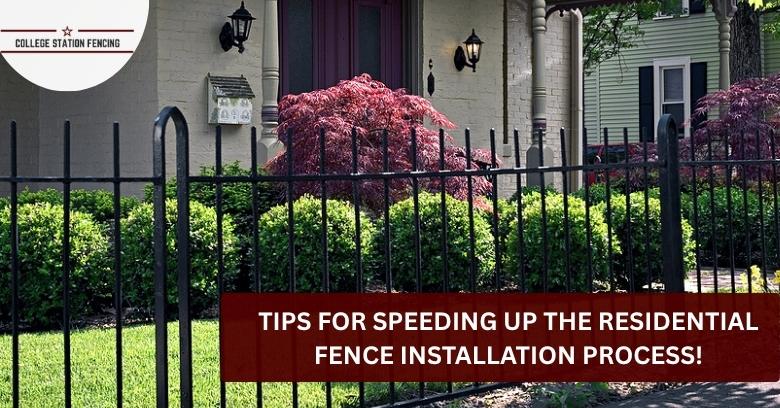
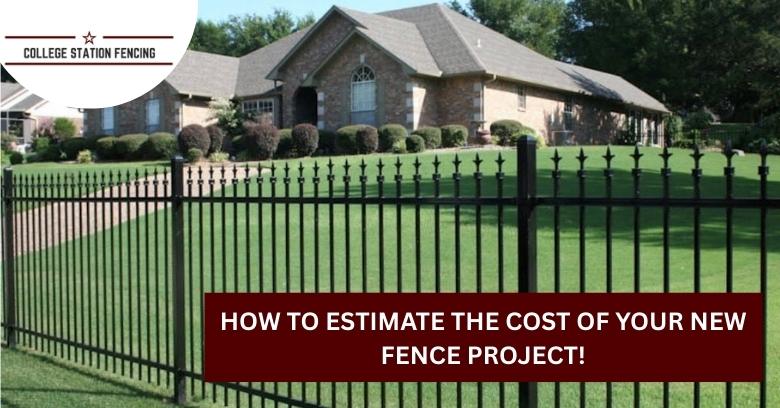
- Wrought Iron and Ornamental Fencing: These offer maximum security and curb appeal but also come with the highest price tag. Expect to pay more for custom designs and powder-coating to prevent rust.
- Composite Fencing: Made from recycled plastics and wood fibers, composite fences are eco-friendly, durable, and require almost no maintenance, though the initial investment is substantial.
2. Fence Height and Length
It's simple math: the taller and longer your fence, the more material and labor you'll need. For example, a standard privacy fence at 6 feet tall will cost more than a decorative picket fence at 4 feet. Corner lots or irregular property shapes in College Station or Bryan may require custom solutions, which also impact your fence contractor's estimate.
3. Terrain and Site Preparation
Flat, clear lots are the easiest—and least expensive—sites to fence. If your property in Bryan, Texas, sits on a slope, has dense tree roots, existing structures, or landscaping that needs removal, your fencing contractor will factor in extra labor and equipment costs. Rocky soil or the need to dig deep post holes can further increase expenses.
4. Gates and Accessories
Adding gates for driveways or walkways is essential for function, but these upgrades can add several hundred dollars or more, depending on size, materials, and customization. Want decorative post caps, integrated lighting, or dog windows? Each extra touch means added costs.
5. Permits and Local Codes
While not the most exciting part of your fence project, securing the right permits (and ensuring your design meets city codes) is critical, especially in busy municipalities like Bryan and College Station. Seasoned fencing contractors know how to navigate these waters, but they'll include permit fees, insurance, and inspections in their pricing.
6. Labor and Timeline
Labor costs vary not just based on the complexity of your project, but also on the time of year. Peak season (spring and summer) may come with higher demand and slightly higher prices. Skilled fence contractors in College Station and Bryan, Texas, are often booked out, so scheduling in advance can help you lock in better rates and meet your timeline.
7. Demolition and Removal
If you need to take down an old fence before installing a new one, don't forget to budget for demo work and debris hauling. Many contractors offer this as part of their package, but the costs, especially for large or deeply-rooted posts, can be significant.
Step-by-Step: How to Estimate Your Fence Project's Cost
Now that you know what factors go into a fencing estimate, let's get practical! Here's how you can estimate the cost of your project before calling a fence contractor in College Station, Texas:
Step 1: Measure Your Space
- Use a tape measure or property plat to determine the length of each side you plan to fence.
- Sketch it out, noting gates, corners, and any landscaping obstacles.
Step 2: Choose Your Materials
- Decide on style (privacy, picket, ornamental, etc.) and material (wood, vinyl, iron, etc.).
- Check out local suppliers or request samples from your fence contractor for a real-life look and feel.
Step 3: Factor In Features
- Decide how many gates you'll need, what size, and any accessories you want (like solar lights or decorative post caps).
Step 4: Check Local Codes
- Review local regulations about fence height, placement, and materials—your fence contractor should be well-versed in Bryan and College Station ordinances.
Step 5: Get Quotes
- Reach out to at least three reputable fencing contractors in your area.
- Ask for detailed written estimates that break down material, labor, permits, and accessory costs.
Step 6: Calculate Your Ballpark Estimate
Here's a simplified formula:
Total Length of Fence (in feet) × Cost Per Foot (varies by material and features) + Gate Costs + Accessories + Permits + Demolition (if needed) = Estimated Total Cost
Example: Suppose you want 200 feet of 6-foot wood privacy fencing with two gates in College Station. If local contractors quote $30 per foot (including labor and materials), and each gate is $350:
- Fencing: 200’ × $30 = $6,000
- Gates: 2 × $350 = $700
Total: $6,700 (plus potential permits/demolition/extra features)
Pro tip: Always add a 10-15% buffer for unexpected issues.
Step 7: Compare Contractors Beyond Price
- Review portfolios, check references, and ask about warranties.
- The cheapest quote isn't always the best—consider experience, materials used, and customer feedback.
Pros and Cons of Popular Fencing Materials
To help you choose, let's take a closer look at the pros and cons of fencing options popular in College Station and nearby Bryan, Texas:
Wood Fencing
- Pros: Natural look, customizable, affordable upfront.
- Cons: Requires staining/painting, is susceptible to rot and termites in humid regions.
Vinyl Fencing
- Pros: Low maintenance, lasts decades, lots of colors/styles available.
- Cons: Higher upfront cost, can crack in intense heat.
Chain Link
- Pros: Budget-friendly, durable, easy installation.
- Cons: Limited privacy, industrial look (though vinyl slats or greenery can help).
Ornamental Iron
- Pros: Elegant, long-lasting, secure.
- Cons: Expensive, requires occasional maintenance to prevent rust.
Composite Fencing
- Pros: Eco-friendly, extremely durable, looks like wood without the upkeep.
- Cons: Significant upfront investment, limited color choices.
Avoiding Common Pitfalls in Fence Cost Estimation
Planning your fence budget? Don't fall for hidden cost traps! Some common mistakes include:
- Forgetting about permits: Skipping this step can lead to fines.
- Underestimating labor: Digging post holes in rocky Texas soil takes time!
- Ignoring maintenance: Wood fences require regular care, unlike vinyl or composite.
- Overlooking demolition: Removing an old fence can eat up hundreds of extra dollars.
- Choosing contractors based solely on price: Fly-by-night operators may disappear before finishing (or after cashing your check).
Do your homework, ask questions, and treat your estimate as a living document that might need small adjustments as the job unfolds.
The Importance of Hiring a Professional Fence Contractor
Let's start with a simple truth: while DIY fencing might look cheaper on the surface, hiring a qualified fence contractor can actually save you time, money, and stress in the long run. A professional contractor brings years of experience to the table, meaning your fence will be built to last, comply with local codes, and stand up to the variable Texas weather conditions notorious in Bryan and College Station.
But price matters, too. Contractors typically include the cost of materials, labor, equipment, and sometimes even permits in their estimates, giving you a more realistic picture of what your investment will look like. And because reputable fencing companies stand behind their work, you'll benefit from warranties and peace of mind.
Conclusion
Estimating the cost of your new fencing project in College Station or Bryan, Texas, doesn't have to be an overwhelming process. By understanding what drives costs—from material choices and property specifics to labor and permits—you can approach your next fencing project with clarity and confidence. Trustworthy fence contractors help demystify the process, provide transparent pricing, and deliver results that add value and beauty to your property for years to come.
Ready to get started? Reach out to a local fence contractor in College Station for a personalized, no-obligation estimate tailored to your needs. Your dream fence is closer—and more affordable—than you might think!
Key Takeaways
- Choose the right fence contractor: Don't just go by price; look for experience, strong reviews, and clear communication. A good fence contractor makes the project smoother and can actually save you money in the long term with quality workmanship.
- Material selection drives your budget: From classic wood to modern vinyl or composite, your choice impacts not just the upfront cost but also maintenance and lifespan, which are crucial in Texas's variable climate.
- Measure your property carefully. Accurate measurements help you avoid over-ordering materials or running short mid-project. Remember to account for gates, corners, and landscaping obstacles.
- Understand permit and code requirements: Each city may have different rules regarding height, materials, and placement. Failure to comply can result in fines or being forced to redo your fence—ask your local fence contractor to handle this part.
- Factor in all elements: Include costs for gates, demolition/removal of old fencing, site prep, and desired accessories to avoid budget surprises during the project.
- Compare written estimates: Never settle for a verbal quote. Make sure every estimate spells out materials, labor, gates, permits, and extras so you can compare apples to apples.
- Budget for the unexpected: Allocate an extra 10–15% for surprises like rocky soil, utility lines, or changes in design. Flexible budgeting reduces stress if the project scope shifts.
- Consider long-term maintenance: While wood fences cost less initially, they need regular upkeep. Low-maintenance options like vinyl or composite can pay off over time.
- Use local expertise: Fencing contractors in Bryan and College Station understand your area's unique climate and soil factors.
- Stay actively involved: Regularly communicate with your contractor, ask questions, and clarify any uncertainties before and during the project. This will ensure that your fencing meets your expectations and your budget.
FAQs
1. How does hiring a local professional fence contractor impact cost?
Hiring a professional fence contractor ensures accurate pricing, code compliance, and quality installation. While it may cost more upfront compared to DIY, you save time, reduce mistakes, and benefit from warranties.
2. What's the average cost per foot for fencing projects in Bryan and College Station, Texas?
The cost ranges from $20 to $50 per foot, depending on the material (wood, chain link, vinyl, etc.), fence height, accents, and terrain complexity.
3. How can I reduce the overall cost of my fencing project?
To save money, choose cost-effective materials like chain link, limit decorative add-ons, and handle simple site prep yourself. Getting multiple quotes from fence contractors also helps.
4. Do I need a permit for my fence project in College Station or Bryan?
Most fencing projects require a permit and must comply with local zoning and code regulations. A reputable fence contractor can manage this process for you.
5. Should I replace or repair my existing fence?
If your old fence has significant rot, leaning sections, or widespread damage, full replacement is often more cost-effective in the long term. A fence contractor can assess and advise you.
6. How long does the average fence installation take?
Most standard residential fences take 2–5 days to install, depending on property size, material, weather, and site complexity.
7. Can I install my own fence to save money?
DIY is possible for simple designs, but mistakes are common, often leading to higher costs for professional repairs. Hire a fence contractor for the best results, especially in challenging terrain.
8. Are there maintenance differences between wood, vinyl, and metal fencing?
Yes! Wood requires regular staining/sealing, vinyl only needs occasional cleaning, and metal (like iron) may need rust treatment. Consider these before deciding on your material.
9. Will my fencing increase property value?
Quality fencing installed by a professional contractor often increases property value by enhancing curb appeal, security, and privacy, especially in desirable neighborhoods.
10. How can I choose the best fence contractor in College Station, Texas?
Look for licensed, insured fencing contractors with positive reviews, a local portfolio, clear written estimates, and a willingness to answer your questions. Referrals from neighbors or friends are a plus.