Fences play a pivotal role in defining property boundaries, assuring privacy, and enhancing curb appeal, especially in lively communities like College Station Texas and its neighboring areas such as Navasota. For homeowners considering adding or upgrading their fencing, a common question arises: “Should I tackle this project myself or hire a professional fence contractor?” With the abundance of DIY guides, online tutorials, and accessible materials, the allure of saving money and testing one's handyman skills through self-installation is strong. Yet the vast world of fencing comes with challenges, nuances, and unexpected hurdles that may not be apparent until you are mid-project.
Whether you are seeking to define your yard's perimeter, protect pets, or simply boost your home's value, understanding the pros and cons of DIY fence installation compared to professional fencing solutions is crucial. There is no one-size-fits-all answer. Factors such as material selection, local zoning regulations, durability, and time commitment can significantly affect the outcome and your overall satisfaction. In places like College Station and Navasota where weather, soil conditions, and neighborhood standards vary, the local expertise of a fence contractor can sometimes be the key differentiator between a fence that stands proudly for decades and one that quickly tilts or decays.
As we delve into the various aspects of fencing, this guide will dissect the real costs, time implications, risks, and potential rewards of both DIY and pro-installed fencing. We will guide you through everything from material sourcing to aftercare, equipping you with a comprehensive roadmap for your next fence project. Whether you are envisioning a decorative wood picket fence, a sturdy privacy barrier, or a secure chain-link enclosure, this article strives to answer your burning questions and help you make a confident, informed decision, one that is right for your home, your budget, and your peace of mind.
DIY Fence Installation: Is It Really That Simple?
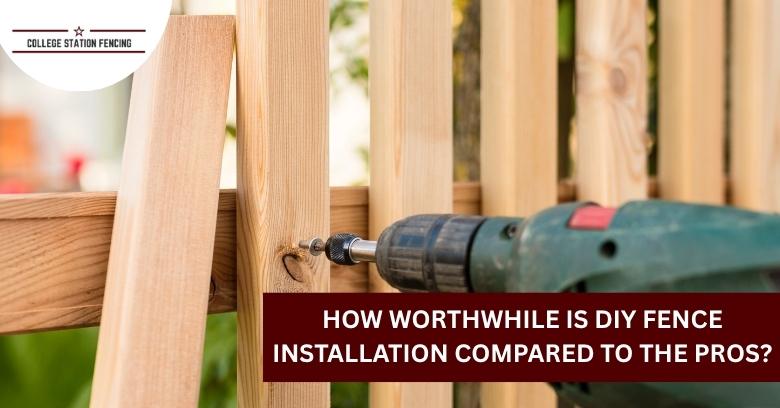
When you first think about building your own fence, the concept seems straightforward: buy some materials, follow instructions, and enjoy the satisfaction of a completed project. For industrious homeowners in College Station Texas and in the neighboring Navasota area, the DIY spirit is alive and well. From digging post holes to mounting panels, many embark on the adventure hoping to save on labor costs and inject personal pride into their property.
What Are the Advantages of DIY Fencing?
- Cost Savings: One of the biggest motivators for DIY fencing is the anticipation of spending less. By removing professional labor fees, you may reduce the upfront expense. Materials such as wood panels, chain-link rolls, or vinyl slats are readily available from local retailers, letting you control exactly where your money goes.
- Schedule Flexibility: DIY installation allows you to work at your own pace around life's other demands. There is no need to coordinate with a fence contractor's timetable, giving you control over the entire process.
- Personal Satisfaction and Learning: Completing a fence project yourself can instill a sense of accomplishment. Many homeowners find joy in learning new skills, working outdoors, and building something tangible that adds value to their home.
- Customization: With a DIY approach, you also have the freedom to personalize every aspect, from material choice and layout to unique design elements that reflect your aesthetic preferences.
What Are the Noteworthy Disadvantages and Hidden Costs of Going Solo?
- Time Commitment: DIY fencing is not a weekend project unless you have significant prior experience. Properly digging post holes, setting concrete, handling heavy panels, and making sure that everything is level can stretch the process over several weeks, especially for those balancing jobs and family.
- Tools and Equipment: While labor costs are reduced, DIYers may need to buy or rent specialized tools such as post hole diggers, levels, power augers, and more. These costs can add up, notably for one-off projects.
- Permitting and Local Regulations: Municipalities in Brazos County, including College Station and Navasota, often require permits for new fences and have codes that govern fence height, materials, and location. Navigating this red tape can be daunting for first-timers.
- Risk of Mistakes: Incorrectly spaced posts, poorly mixed concrete, or inaccurate boundary measurements can lead to crooked, unstable, or even encroaching fences, potentially resulting in costly rework or neighbor disputes.
- Material Sourcing and Quality: DIYers may not have access to the same quality or pricing on materials as professional fencing contractors, who often buy in bulk or have established supplier relationships.
- Safety Concerns: Handling sharp tools, digging near utilities, or working at awkward angles carries inherent risks. Novices must take extra precautions to prevent injuries.
Turning to the Pros: The Case for Hiring a Professional Fence Contractor
When you hire a respected fence contractor in College Station or nearby Navasota Texas, you are purchasing not just a product, but a comprehensive service and peace of mind.
The Tangible Benefits of Hiring a Professional Fence Contractor
- Experience Counts: Professional fence contractors bring years of hands-on expertise, confirming installations are completed correctly the first time. They understand how local soil types, drainage, and climate impact fence longevity, a key concern in the shifting Texas clay.
- Speed and Efficiency: A skilled team can often tackle what would take a DIYer weeks in a matter of days, thanks to their manpower, processes, and equipment.
- Warranty Coverage: Most fence contractors offer good warranties on their work, covering defects in installation or materials that may not be apparent immediately.
- Code Compliance and Permitting: Professionals are well-versed in local regulations. They handle permitting so that fences comply with municipal codes and help prevent costly mistakes or legal disputes down the line.
- Access to Higher-Quality Materials: Contractors typically have relationships with suppliers, granting access to higher-quality materials at competitive prices, sometimes even lower than retail for DIYers.
- Problem-Solving On The Fly: Uneven ground, hidden obstacles, weather delays, pros have seen it all. They adapt quickly and know how to troubleshoot, preventing minor challenges from becoming major headaches.
- Enhanced Curb Appeal: A professionally installed fence often looks more polished and uniform, boosting both your property's value and neighborhood aesthetics.
Drawbacks: Why Some Shy Away from the Pros
- Higher Upfront Cost: Let's be honest: hiring a professional is not cheap. Labor charges, overhead, and company profit margins are factored into the final bill.
- Scheduling Constraints: During busy seasons, finding a respected fence contractor with immediate availability in College Station or Navasota can be difficult, leading to project delays.
- Limited Personal Input: While trained contractors welcome your design ideas, some homeowners fear losing control over the fine details or not getting exactly what they envisioned.
- Mixed Contractor Quality: Not all professionals are equal. Choosing the wrong contractor can lead to shoddy workmanship or customer service headaches.
DIY vs Professional Fencing: A Detailed Comparison
Cost Analysis
For a typical 100-foot wooden privacy fence, here is how expenses might break down:
-
DIY:
- Materials: $1,200 to $1,800
- Tool rental/purchase: $150 to $400
- Miscellaneous for permits, fasteners, concrete: $200
- Estimated Total: $1,600 to $2,400
-
Professional Installation:
- All-Inclusive: $2,800 to $4,000, sometimes more for premium materials or customization
- Warranty, labor, cleanup, and aftercare are typically included
While DIY appears cheaper on the surface, unforeseen issues such as material waste, errors, and permit fines often narrow the gap.
Time Commitment
- DIY: Count on several weekends, potentially totaling 30+ hours and more if you run into trouble.
- Professional: 1 to 3 days, depending on scope and weather.
Quality and Durability
- DIY: Success largely depends on your skill, patience, and attention to detail.
- Professional: Consistent, high-quality results backed by experience and warranty.
Resale Value and Curb Appeal
- DIY: Can increase property value if executed well, but amateur mistakes may have the opposite effect.
- Professional: Professionally installed fences are a selling point for many buyers, signifying care and quality.
Regional Considerations: College Station and Navasota Texas
In Texas, climate and soil conditions heavily influence fence choice and longevity. Clay-rich soils found near College Station expand and contract, shifting fence posts unless installed to the proper depth with the right concrete mix. High winds, heavy rains, and occasional droughts add further stress. Local fencing contractors have learned through experience how to mitigate these challenges, selecting rot-resistant woods, galvanizing hardware, and anchoring posts deeply for added stability.
In Navasota and its rural outskirts, livestock fencing, horse enclosures, and acreage boundaries present unique challenges suited to experienced professionals. While a handy homeowner may install a short garden fence, ranch-style perimeters or security fencing often require specialized equipment and local knowledge.
Additionally, both towns may have neighborhood association requirements or historical district restrictions that add extra layers of complexity. Professionals in the area are accustomed to dealing with these nuances, streamlining the process for homeowners.
Conclusion
When it comes to fencing in College Station Texas or nearby Navasota, the decision to go DIY or hire a professional fence contractor depends on more than just budget. DIY projects can be rewarding and cost-effective for those with time, patience, and a knack for handiwork. On the other hand, there is true value in the expertise, efficiency, and peace of mind offered by local fencing professionals.
If your goal is a straightforward, short-run decorative fence, DIY might be the perfect fit. But for long-lasting, code-compliant, and visually appealing installations, especially when tackling large properties or specialty fencing, partnering with an experienced fence contractor is often the wisest investment.
As the last panels go up and you step back to admire your new fence, what matters most is that it stands the test of time, serves your needs, and leaves you proud of your property. Do not be afraid to seek advice, weigh your priorities, and choose the path that best aligns with your expectations and resources. And remember, the experts are just a call away, ready to lend a hand or the whole crew whenever you need it.
Ready to enhance your property? Connect with a trusted fence contractor in College Station or Navasota Texas to explore all your options and take the stress out of your next fencing project!
Key Takeaways
- Know Your Limits Before Going DIY: Assess your experience, the project's size, and your available time. DIY fencing can save on labor but is labor-intensive, especially for large or challenging properties.
- Factor in All Costs - Not Just Materials: Beyond buying fence panels and posts, budget for tool rentals, permits, and extra materials for mistakes. Unexpected issues can erode the perceived savings of a DIY approach.
- Local Regulations Matter: Both College Station and Navasota Texas have municipal codes and sometimes neighborhood association rules regarding fencing. Failure to comply can delay projects and trigger fines, while professional contractors handle this for you.
- Quality Equals Longevity: The serviceable life and resilience of your fence depend heavily on the quality of installation. Pros understand soil, weather, and site-specific factors, while DIYers may overlook critical details.
- Professional Contractors Offer Peace of Mind:& From warranty protection to expert troubleshooting, hiring a fencing professional reduces risk and increases the likelihood of a long-lasting, attractive final product.
- Fencing Impacts Curb Appeal and Property Value: A well-built fence enhances security, privacy, and resale value, making it more than just a boundary marker.
- Project Timeline Varies Greatly: While professionals can tackle most residential fencing in a few days, DIYers should plan for multiple weekends, depending on the scope and skill level.
- Do Not Underestimate Safety: Fence installations require tools and materials that can cause injury. Contractors are trained and insured, safeguarding you from accidents and liabilities.
- Customization Is Possible Both Ways: DIYers can craft unique designs, but professionals can bring creative solutions to life with greater durability and precision.
- Support Local Expertise: Local fence contractors understand regional challenges such as clay soil, unpredictable weather, and specific fencing trends, delivering custom solutions that last.
FAQs
1. What should I look for when hiring a fence contractor in College Station or Navasota Texas?
Look for contractors with local experience, positive client reviews, clear written estimates, and appropriate licensing and insurance. Local knowledge of soil and regulations is a major plus.
2. How much money can I really save by doing my own fencing?
DIY can save you 20 to 40% compared to professional installation, but hidden costs including tools, permits, and corrections often narrow the gap. Factor in your time and potential for mistakes.
3. Are there specific fencing materials better suited for Texas climates?
Yes, rot-resistant woods like cedar, galvanized steel, and vinyl are popular choices due to their resilience against moisture, heat, and pests.
4. Do I need a permit for fence installation in College Station or Navasota?
Most likely, yes. Both municipalities have permitting requirements, and homeowners associations may add additional rules. Always check local codes before starting.
5. Can a professional fencing contractor help with design and material selection?
Absolutely. Pros can suggest designs and materials ideal for your property, goals, and budget, taking local climate and maintenance into account.
6. What is the best fence for privacy in Texas neighborhoods?
Wooden privacy fences remain a top choice, though vinyl and composite panels are gaining popularity for their durability and low maintenance.
7. How long does professional fence installation usually take?
Most standard residential fences can be installed in 1 to 3 days, weather permitting, while more complex designs or larger properties may take longer.
8. What are some common mistakes DIYers make during installation?
Improper post spacing, shallow post holes, poor alignment, and skipping permits are common errors that can shorten a fence's serviceable life or result in fines.
9. How do I maintain my fence for maximum longevity?
Regular inspections, cleaning, prompt repairs, and protective treatments like staining wood help see that your fence remains strong and attractive for years.
10. Will a new fence increase my property value in College Station or Navasota?
A well-installed fence often boosts both curb appeal and resale value, especially in family-friendly or pet-friendly neighborhoods.