
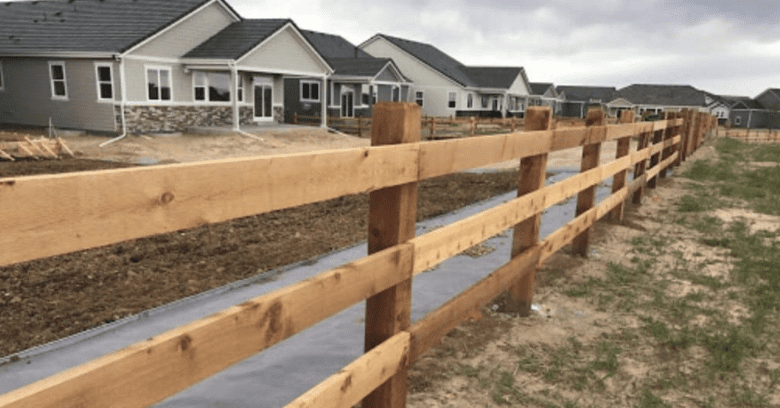
Choosing Between Options for Ranch Fencing Company throughout Texas?
College Station Fencing keeps every fence job spelled out from the first visit to the last gate latch for Texas yards.
Call 979-553-6447 to talk through what you need built.
Who Does What on a Fence Job
Behind every straight fence line is a list of decisions someone had to own: layout, material choice, digging, setting, hanging, finishing, and cleanup, and each step has someone who either does it well or does not do it at all. Jot down the details while they are fresh, so that the comparison later rests on facts and not on impressions. Ask who handles the haul-away of old material, since a pile of broken boards can sit for weeks.
Owners comparing options for Ranch Fencing Company should start by asking which steps are handled in house and which are handed off. Clear answers early are the strongest sign of a smooth job later, and it takes attention more than time. Ask every provider the same set of things, so that nobody gets an easier test than anyone else.
What a Written Scope Should Spell Out
Every serious proposal puts the details on paper: the starting point, the corners, and how the line meets any slope, so that both sides are picturing the same fence. Watch for the details that are easy to leave out, such as gate hardware, post depth, and what happens to the old fence.
Proposals for the same yard can describe very different fences: check the grade of lumber or the gauge of the metal, and whether posts are set in concrete, and the gaps between proposals usually hide there. A good provider is glad to translate the jargon, and nothing about a fence is too small to ask about. Gates deserve their own line in any proposal, since a gate sees more use than any other part of a fence.
Real Fences Tell the Truth
The most useful evidence of how a fence will age is a fence that has already aged: look at how the gates close and whether they drag on the ground, and ask what the owner would change. Spend a minute on every gate you see, because they carry the most weight and the most daily use.
When you are asking about Ranch Fencing Company in Texas, match the example to the material you are considering. Experience with one fence type does not carry over to every other, so ask about the specific type you want. Take the time to see more than one, and the pattern across several fences is more telling than a single example.
Clay, Rock, Wind, and Heat: Do They Know the Ground
Fences in Texas face a set of conditions that punish shortcuts: heavy rain bursts leave water standing at the base of posts, and a good answer is specific about depth, bracing, and drainage. A good provider explains the reason behind each choice, and the details are worth writing into the scope. Find out how surprises underground are handled, and the plan should be agreed before the shovel goes in.
Ask whether the wood will be treated, stained, or left to weather: listen for how and why, not only for reassurance, and keep asking until the picture is clear. Do not overlook the rulebook, and a quick check up front prevents a rebuild later.
Different Fences Call for Different Skills
Matching the provider to the fence is half the battle: wrought iron and ornamental metal need sound welds and a finish that keeps rust out, and each one has its own ways of going wrong. Describe the fence in terms of use rather than only material, and the right provider will connect the purpose to the build. Tell the provider what the fence has to hold in or keep out, since cattle, goats, horses, and dogs all push on a fence differently.
Looking for Ranch Fencing Company usually means one specific project hiding in a broad term: questions coming back at you are a good sign. Be ready to describe the property in detail, and note where the utilities run and where the survey pins sit.
What Good Communication Looks Like on a Fence Job
Every fence job has a sequence, and the sequence has a calendar: materials have to arrive in the right order, and it helps to know in advance who will be on site. Flexibility is part of a fence project, and a provider who says so up front is being honest. Find out who arranges for buried lines to be marked, and skipping it is never worth the risk.
Early communication is a preview of the whole project: straight talk about the unknowns is reassuring, and it is worth taking the pattern seriously. Questions from the provider are a good sign, and it is a much better start than a quick pitch.
What Happens After the Last Post Is Set
A new fence is not a finished fence until it has been through some weather: a loose board or a leaning panel after a storm should be dealt with early, and it helps to know who to call when that happens. Give the fence a careful look after the first season, and early notice keeps small issues small.
After a bad storm, a fence shows what it was made of: find out whether the provider handles repair work as well as new construction, and knowing that early saves a scramble later. It helps to know the weak points before the next storm, by looking at leaning posts and any gaps at the bottom. Find out how urgent damage is handled, and it tells you how the provider views repair work.
Taking the Next Step Toward Your Fence
A good provider makes the whole job easier to understand: the right fence type, the right skills, and a clear schedule, and it makes the final decision much easier. The method is the same for any fence in Texas, and a provider who passes them is worth a second conversation.
If it is time to move from research to a real discussion about Ranch Fencing Company in Texas, call 979-553-6447 and bring your questions. Mention anything worth knowing about the ground or the neighbors, and the rest can be worked out together. Slow and thorough serves a fence buyer well, and the right provider will welcome the scrutiny.