Introduction
When it comes to safeguarding your property, delineating boundaries, or adding aesthetic appeal, selecting the right fence material is crucial. The perfect fence material can enhance both functionality and beauty. However, with an array of options available, choosing the right one can be overwhelming. This guide offers five essential tips to help you select the perfect fence material for your needs.
Tip #1: Assess Your Needs
Before diving into material options, it's vital to identify the primary purpose of your fence. Are you looking for privacy, security, or simply to enhance your home's curb appeal? Each purpose requires different considerations:
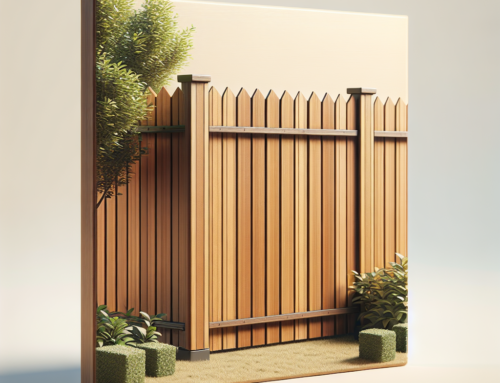
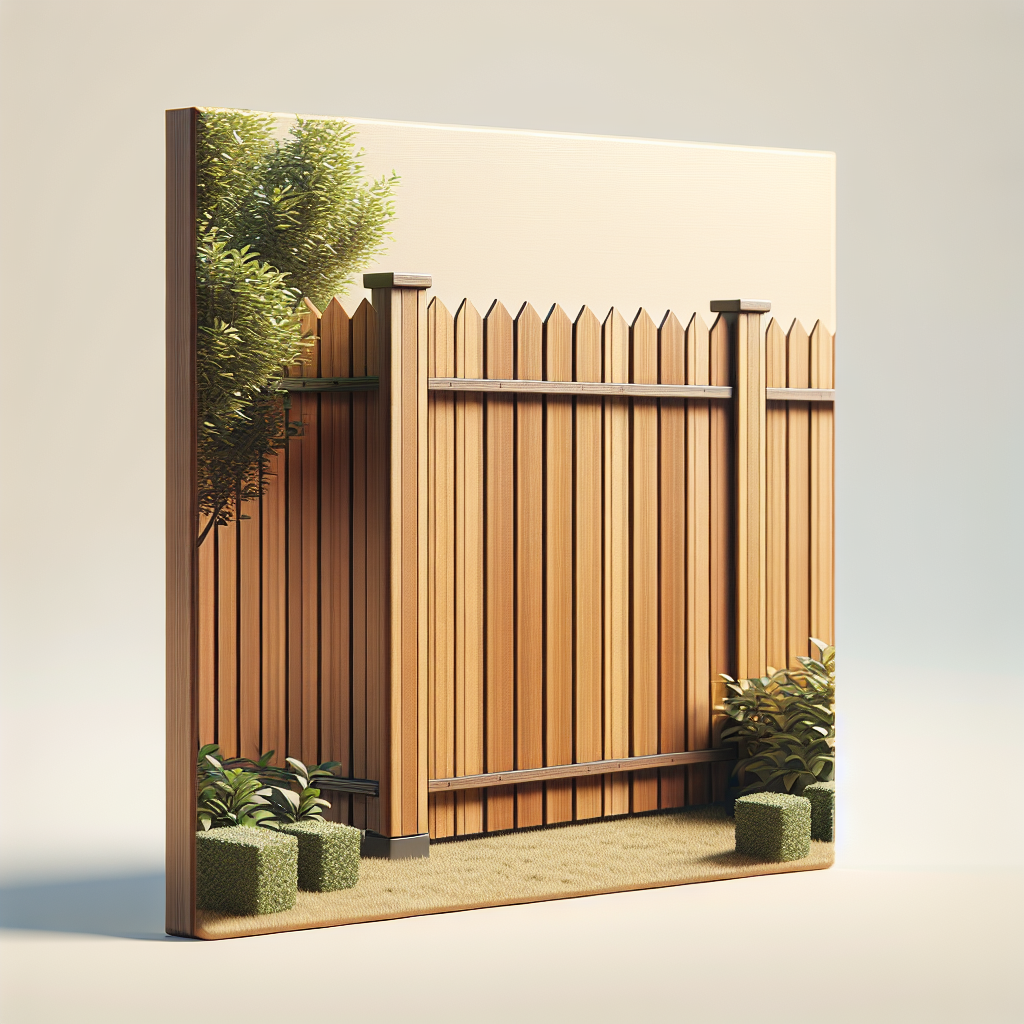
- Privacy: Solid panels like wood or vinyl can offer the seclusion you're looking for.
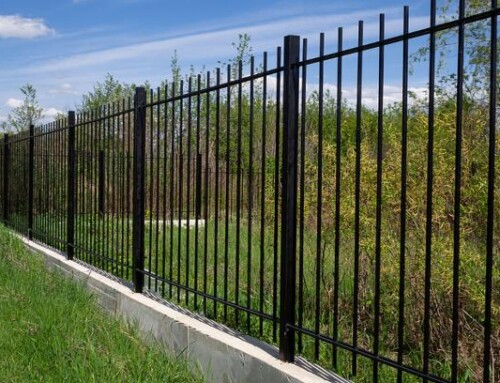
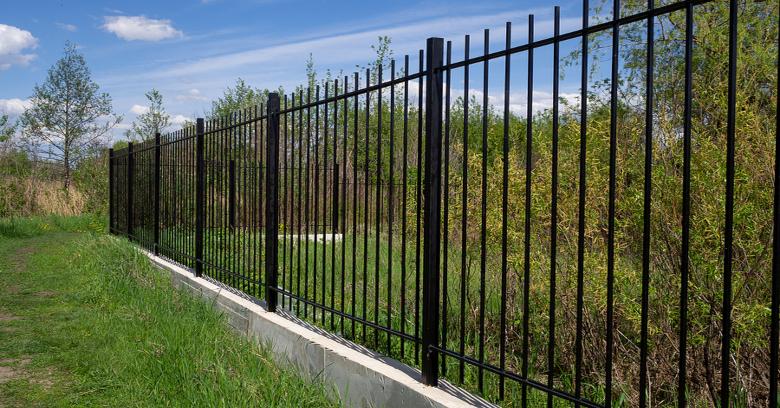
- Security: Metal fences, such as wrought iron or steel, are robust and deter intruders.
- Aesthetic Appeal: Decorative materials like bamboo or mixed materials can add unique charm to your property.
Understanding your prime requirement will streamline your material choices.
Tip #2: Consider Climate and Environmental Factors
The longevity and performance of your fence largely depend on climate and environmental conditions:
- Wood: Ideal for dry climates but may deteriorate quickly in moist or rainy conditions.
- Vinyl: Resistant to moisture and sunlight, making it suitable for various climates.
- Metal: Durable in most environments, but can rust in very wet conditions unless properly treated.
Choosing materials that complement your local climate ensures durability and reduces maintenance needs.
Tip #3: Maintenance Requirements
Different fence materials come with varying upkeep demands:
- Wood: Requires regular staining or painting to protect against the elements.
- Metal: Needs occasional painting or rust treatment, particularly in wetter climates.
- Vinyl: Low maintenance, only requiring occasional cleaning with soap and water.
Select a material that aligns with your willingness and ability to perform maintenance tasks.
Tip #4: Budget Considerations
Your budget significantly influences your choice of fence material. Here's a quick cost comparison:
- Wood: Moderate initial cost, but higher long-term maintenance expenses.
- Metal: Higher upfront cost, especially for wrought iron, but lower maintenance.
- Vinyl: Higher initial investment, but minimal upkeep costs lead to savings over time.
Consider both the short-term and long-term financial implications when choosing your fence material.
Tip #5: Aesthetic Appeal
The visual impact of your fence plays a critical role in the material selection process:
- Wood: Offers a classic, timeless look that can be stained or painted.
- Metal: Provides a sleek, modern appearance, ideal for contemporary homes.
- Vinyl: Available in various styles, mimicking the look of wood or enhancing modern aesthetics.
Choose a material that complements your property's architectural style and enhances its overall appearance.
Conclusion
Selecting the right fence material involves balancing functionality, climate compatibility, maintenance needs, budget constraints, and aesthetic preferences. By following these five tips, you can ensure that you choose the perfect material for your specific requirements, providing long-lasting value and beauty to your property. If you're still unsure, consult with a professional to get tailored advice and recommendations.
Key Takeaways
- Assess your primary needs: privacy, security, or aesthetic appeal.
- Consider climate and environmental factors when choosing materials.
- Evaluate the maintenance requirements of different materials.
- Balance your budget with short-term and long-term costs.
- Select materials that enhance the aesthetic appeal of your property.
FAQs
1. What is the best material for a privacy fence?
Wood and vinyl are the best materials for privacy fences due to their solid panel construction, which provides effective screening.
2. How long do wood fences typically last?
With proper maintenance, wood fences can last between 15-20 years. The lifespan can vary based on the type of wood and environmental conditions.
3. Are vinyl fences more expensive than wood fences?
Vinyl fences generally have a higher initial cost compared to wood fences, but they require less maintenance, leading to cost savings over time.
4. How often do metal fences need to be painted?
Metal fences, such as wrought iron, typically need to be painted every 2-3 years to prevent rust and maintain their appearance.
5. Can I install a fence myself?
Yes, many fence materials come in DIY-friendly kits. However, professional installation ensures proper setup and longevity.
6. What type of fence is best for a coastal area?
Vinyl and treated metal fences are ideal for coastal areas due to their resistance to moisture and salt air.
7. Do bamboo fences require maintenance?
Bamboo fences require minimal maintenance, but treating them with a sealant can prolong their lifespan and enhance their appearance.
8. How does climate affect wood fences?
Wood fences in humid or wet climates are prone to rot and decay, while dry climates can cause wood to crack and split.
9. Are there eco-friendly fence materials?
Yes, bamboo and recycled composite materials are eco-friendly options that offer durability and aesthetic appeal.
10. What is the most durable fence material?
Metal, particularly wrought iron, is considered one of the most durable fence materials, offering excellent security and longevity.