
Ready for Fence Repair Services around Bryan Texas as a fence ages?
College Station Fencing mends, resets, and looks after fence lines at Bryan Texas lots.
Reach us at 979-553-6447 with a short description of the problem.
Why Every Fence Eventually Needs Attention
Few things around a property take as much weather as a fence: wind leans on solid panels like a sail, and that steady wear is why upkeep matters as much as construction. Time is not on the side of a damaged fence, and the cause rarely goes away on its own.
Households looking into Fence Repair Services usually have noticed one particular problem. A clear look at the whole line answers that for any fence in Bryan Texas, and it is the right way to begin. Planning for upkeep keeps surprises to a minimum, and the bigger jobs are where a provider helps. No two fence lines in Bryan Texas wear in quite the same way, and the repair plan should fit the property.
Clues That a Fence Is Asking for Help
Trouble shows up in small ways first: a gate that drags, sticks, or no longer latches, and none of them gets better by waiting. Each fence type has its own kind of failure, and knowing the pattern makes the diagnosis faster.
Press a screwdriver into the wood near ground level: dark staining and a spongy feel are signs of moisture damage, and it only takes a few minutes along the line. Connecting the signs tells you more than any single one, and the repair plan should deal with that cause.
When Patching Works and When It Does Not
Many fences can be saved with the right fix: a sagging gate can often be re-hung or rebuilt on a stronger frame, as long as the rest of the fence is sound. Choosing among options for Fence Repair Services is easier with the facts on the table, and that includes what each path involves and how long it should last.
There comes a point where patching is a poor use of effort: fresh pickets on a tired frame buy only a short reprieve, and it is worth hearing both options before choosing. How the fence was built counts as much as how old it is, and a fence that looks fine may be failing underground.
Posts, Footings, and Moving Clay
Leaning posts are the most common serious problem: clay soil swells with water and shrinks in dry spells, loosening whatever sits in it, and resetting a post without understanding why it moved invites a repeat. A simple level shows how far a post has moved, and one that has stayed the same for years may be fine.
A lasting fix addresses what is below the surface: add gravel for drainage where water collects, and the work is worth doing carefully. Digging for a new post is a reason to call 811 first, and property lines and survey pins matter as well. Where the soil is thin over rock, a footing is built differently, and the schedule should allow for slower digging.
Hardware, Frames, and the Gate That Drags
The gate is where a fence shows its age first: the weight pulls on the hinge post every time it swings, and a repair usually starts with the post and the frame. Light hinges are a common reason gates sag, and tightening alone cannot fix a hinge that is too light.
There are several ways to bring a gate back into line: re-setting the hinge post often cures the sag at its source, and a well-hung gate lasts for years. Always try the gate before the repair is considered complete, and look at how the latch meets the post.
Protecting the Surface That Weather Attacks First
Surface wear is the first stage of fence aging: a fresh coat is worth far more on sound wood than on damaged wood, and the timing matters more than the product. Preparation decides how long a finish lasts, and two thin coats beat one thick one.
Each material wears in a different way: chipped paint on iron should be sanded, primed, and recoated before rust spreads, and a periodic walk along the fence catches problems early. Neighborhood rules can affect refinishing as well, and rural properties usually have no such limits.
Wire, Posts, and Pool Barriers That Must Keep Doing Their Job
Safety fencing is only useful if it works every day: barbed wire loosens as posts shift, and re-stretching wire, resetting posts, and replacing worn braces keep a line secure. Remote fence lines can fail for months unnoticed, and a pasture line should be checked after every storm. Fencing around pastures and ranch entrances needs its own routine, and replacing a few bad posts keeps the rest of the line working.
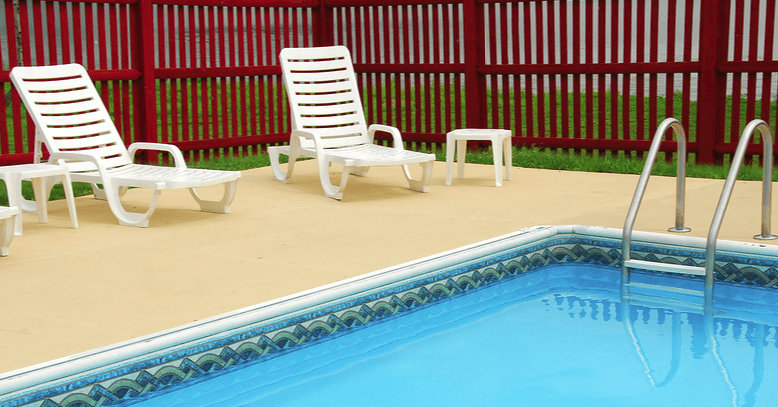
Safety fencing around a pool is governed by local code: test the gate every time you walk past, since it takes seconds, and a simple adjustment is often all that is needed. Safety barriers need frequent attention, since a failure there carries real danger.
Storm Damage and Urgent Repairs
Thunderstorm winds are rough on fences: tall solid panels act like sails and can pull posts out of soft ground, and a gap next to a pool or pasture should not wait. Check for damage as soon as it is safe to go outside, noting any gaps where animals could get through.
A short-term fix can close a gap while the permanent work is planned: the lasting repair should deal with the post, the footing, and the surrounding line, and it is better to say it is urgent when you call. A few facts make the next step easier, and whether any animals, children, or pools are involved.
Making Upkeep a Regular Habit
Spring and fall are good times to inspect a fence: test every latch and every hinge, and group the larger items into one visit. Repair work is only worthwhile if the fix lasts, and ask what the plan is for water at the post base.
If you have noticed a lean, a sag, or a gap, phone 979-553-6447 and describe the problem. Tell us about the gates and any recent weather, and a rough idea is plenty to start. Small jobs done on time keep a fence going for many seasons, and it is true whether the fence is new or old. Knowing your fence well makes any plan for Fence Repair Services simpler, and a note of when each repair was done is easy to keep.