
Ready for Fence Repairs around Bryan Texas when boards start to fail?
College Station Fencing diagnoses, fixes, and revives yard and field fencing around Bryan Texas farms and ranches.
Reach us at 979-553-6447 and tell us what you have noticed.
A Fence Is a Slow Repair Job
A fence stands outside through every season: wind leans on solid panels like a sail, so small problems tend to appear well before big ones. Putting off a repair rarely makes it smaller, because water, wind, and soil keep working on the weak spot.
Property owners comparing options for Fence Repairs usually have noticed one particular problem. A walk from end to end usually tells the story, and the answer shapes everything after it. Regular care is what keeps a fence on the job, and it rarely needs special tools or skills. Ground, weather, and age differ from one lot to the next, and that is why a visit beats a phone guess.
How to Spot Trouble Before It Spreads
There are usually early signs before a section comes down: boards that have cupped, split, or pulled away from the rails, and each one points to a particular cause. The signs depend on what the fence is made of, and that is why a close look beats a quick guess.
The base of a post is where most failures begin: soft or crumbling wood means rot has set in, and what you see there explains a lot about the rest of the fence. One problem is often a symptom of another, and the repair plan should deal with that cause.
Deciding Between Repairing and Replacing
Spot damage is common and usually repairable: loose fasteners and failed hardware can be swapped for better ones, and there is no reason to rebuild what still works. A conversation about Fence Repairs should compare the realistic paths, and the right choice depends on the whole fence.
A fence that fails in many places at once is usually at the end of its life: a new fence on old, failing posts will not last, and a clear explanation is part of a good assessment. Looks can fool you either way, and a fence that seems tired may only need a new finish.
Posts, Footings, and Moving Clay
A post that leans is telling you about its footing: shallow footings in soft ground move first, and the same ground will move the next post too. Take a level or a plumb line to the fence if you can, and a lean that is getting worse needs attention soon.
A proper reset starts with the post and the hole: check the neighboring posts, since they usually share the problem, and the work is worth doing carefully. Be careful with large repairs near utilities, and nothing should be dug until the lines are marked. Where the soil is thin over rock, a footing is built differently, and drilled or surface-mounted anchors are sometimes the answer.
Fixing a Gate That Will Not Behave
Gates take more daily abuse than anything else on the line: sagging pulls the latch out of alignment, and a drag on the ground is a symptom, not the whole problem. The right hardware makes the difference between a gate that lasts and a gate that drags, and replacing it is one of the simplest ways to improve a fence.
Straightforward fixes cover a lot of gate trouble: a self-closing, self-latching mechanism is a requirement for pool gates, so it must be kept working, and a gate that closes cleanly makes the whole fence feel solid. Test a repaired gate before the job is called finished, and watch whether the hinge post moves under the load.
Refinishing a Worn Fence
Surface wear is the first stage of fence aging: a worn finish lets water in, and swelling and cracking follow, and the effort pays back across several seasons. The work before the coat matters most, and light sanding opens the grain so the finish soaks in.
Each material wears in a different way: vinyl benefits from washing and a check of the hardware, and honest advice on that point is part of the job. Associations often have a say in color and style, and replacement sections are usually expected to match.
Rural and Safety Fencing Takes Regular Attention
Safety fencing is only useful if it works every day: woven wire sags and loses tension over time, and corners deserve special attention because they carry the load. Remote fence lines can fail for months unnoticed, and an overgrown fence deserves a careful look. Rural fences are built to take abuse but still wear out, and entrance gates deserve the same care as the fence.
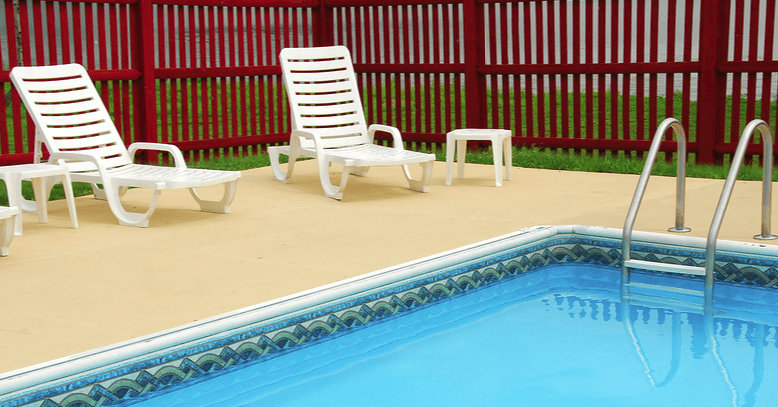
The gate on a pool fence is the most important repair on the property: test the gate every time you walk past, since it takes seconds, and a fence that does not latch is not doing its job. Check the latch on a pool fence every time you pass, and local rules usually require a working latch and a self-closing gate.
Fallen Sections, Broken Posts, and Fast Fixes
Thunderstorm winds are rough on fences: falling branches break rails and pickets, and a gap next to a pool or pasture should not wait. The morning after a storm is the time to look the fence over, looking for leaning posts, loose panels, and fallen branches.
Stabilizing the damaged area is a sensible first move: a well-planned repair takes a bit longer but lasts through the next storm, and the more detail you give, the better the response. The more detail you give, the better the first conversation goes, including how many posts or sections look involved.
Making Upkeep a Regular Habit
Upkeep is mostly a habit of looking: check the posts at ground level, the gates, and the hardware, and write it down so the list does not get lost. Quality shows in how a fix holds up, and ask what the plan is for water at the post base.
If you have noticed a lean, a sag, or a gap, reach College Station Fencing at 979-553-6447 to talk through the options. Whatever you have noticed is a good place to begin, and the rest can be worked out together. Care is what separates a fence that lasts from one that does not, and starting now is better than waiting for a failure. Knowing your fence well makes any plan for Fence Repairs simpler, and photographs show how the fence has changed.