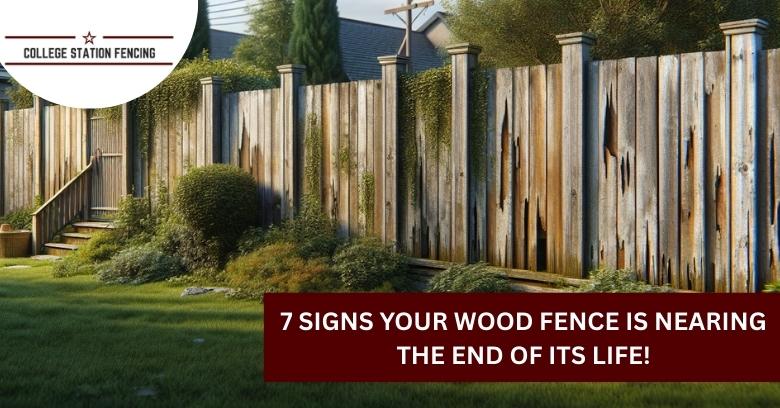
Most homeowners don't think about their fencing until it starts embarrassing them. By late summer, the gate drags on the concrete and won't latch. Three posts lean toward the neighbor's yard. The pickets have gone silver and cupped, and gaps have opened wide enough to watch the dog watch the street. A fence is the single longest visual line on most residential lots, so when it fails, the whole property looks neglected, no matter how sharp the landscaping is.
Choosing a replacement is harder than it looks, and that is where a good fence contractor earns the fee. Picket species, post material, rail count, height, stain color, and gate hardware all interact, and in College Station, Texas, they interact with expansive clay soil that swells after rain and shrinks hard in drought. A fence that looks stunning on a Pinterest board in another climate can be leaning within two seasons here. Spring storms bring straight-line wind and hail, and remnants of Gulf systems can slow repair demand for weeks afterward.
This article walks through the decisions in the order that matters: what happens below grade, which styles genuinely change curb appeal, how materials compare on cost and lifespan, and the permit, HOA, and safety rules in College Station and Navasota, Texas, that catch people off guard. The goal is a fence that still looks straight, tight, and intentional a decade from now, and knowing what to ask fence contractors before they dig any post hole.
Start Below Grade, Not With the Pickets
The prettiest cedar in the yard cannot save a fence that was set badly. Nearly every leaning fence around Brazos County traces back to the same two or three inches of soil movement at a post's base.
Clay Soil and Post Depth
Brazos County sits on expansive clay with Zack, Boonville, and Burleson series are common, which means the ground itself moves. It swells after a wet spell and pulls away from posts when the cracks open in August. Depth is the defense. The working rule is one-third of the post length in the ground, with a practical minimum of 24 to 36 inches below grade, an 8- to 10-inch diameter hole, and concrete crowned at the top so water sheds away instead of pooling against the wood.
Shortcuts here are invisible on install day and obvious two summers later. When comparing bids, ask every fence contractor for hole depth and diameter in writing. From in-town lots to acreage outside Navasota, Texas, that one specification separates a fence that stays plumb from one that needs resetting.
Steel Posts or Wood Posts
Wood fences almost always fail at the ground line first, where moisture, fungal rot, and subterranean termites meet. A standard build uses 4x4 or 4x6 cedar posts. A common upgrade replaces those with 2 3/8-inch schedule-40 galvanized steel posts, with cedar pickets attached to steel or wood rails. Cedar pickets typically last 12 to 20 years when stained and 8 to 12 years unstained; steel posts routinely last longer than 30 years. Many fence contractors consider this upgrade the best dollar-for-dollar decision on the whole project because you cannot replace posts without tearing the fence apart.
Other structural details worth specifying include 8-foot post spacing, three 2x4 rails on a 6-foot fence instead of two, and a rot board or kickboard at grade to keep pickets out of the dirt.
Pick a Style That Changes Curb Appeal
Once the structure is sound, style is where the money shows. Four approaches do the most visual work on a College Station area home.
Board-On-Board and Cap-And-Trim
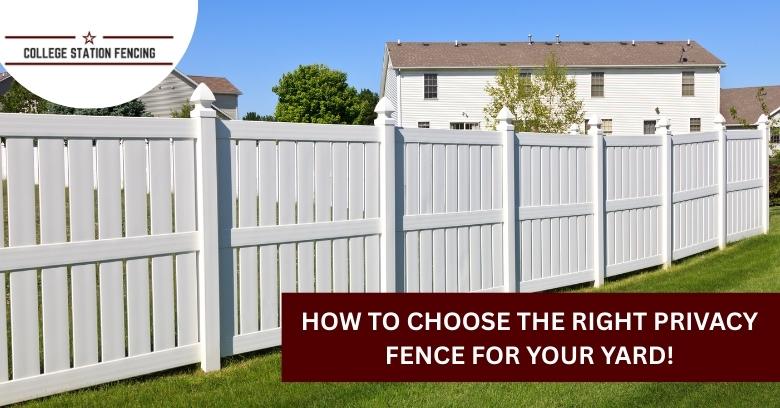
Board-on-board overlaps each picket so that when the cedar dries and shrinks, no daylight gaps open. It costs more in materials, and it's why some privacy fences still look solid in year eight. Cap-and-trim adds a horizontal top cap and trim board, which hides picket tops, straightens the sightline, and makes a plain fence read as architecture. Together, they are the most requested appearance upgrade a residential fencing company installs.
Horizontal Cedar and Ornamental Iron
Horizontal cedar suits modern and mid-century homes and makes a yard feel wider, but it demands straighter posts and tighter tolerances. Hence, it pays to hire an experienced fence contractor. For front yards, ornamental iron or aluminum panels keep the view open, define the property, and pair well with masonry columns. A sensible combination on many lots is ornamental sections at the front, privacy cedar on the sides and rear.
Match the Fence to the Property
The right answer changes with the address. In-town yards from Bryan-College Station, Texas, lean toward privacy cedar, pool enclosures, and ornamental front sections. Rural tracts toward Caldwell, and out past Navasota, Texas, call for barbed wire, field fence, H-braces at corners and ends, and a proper entry gate that sets the tone for the whole place.
Acreage owners often need a mix such as five-strand barbed wire on the perimeter, field or net wire where livestock or dogs are involved, and a decorative entrance where visitors arrive. Rural fencing services also need to account for gate spans wide enough for equipment, which changes bracing and hardware. Discuss use before style with any fence contractor, because a 16-foot tube gate hung on an undersized post will sag within a year whether the property sits in town or near Navasota, Texas.
Compare Materials on Cost and Lifespan
Trade-wide installed pricing across the Texas market gives a useful frame for budgeting, though every site differs on grade, access, and demolition. Typical ranges look like this:
- Cedar privacy: roughly $25 to $45 per linear foot, the default for residential backyards.
- Board-on-board or cap-and-trim: roughly $35 to $60 per linear foot for the no-gap, finished look.
- Ornamental iron or aluminum: roughly $30 to $70 per linear foot, with powder-coated finishes lasting 20 to 40 years.
- Vinyl: roughly $30 to $60 per linear foot, lasting 20 to 30 years, though Texas sun can cause UV chalking and brittleness.
- Chain link: roughly $15 to $30 per linear foot, hard to beat for dog runs and utility areas.
- Field or farm wire: roughly $4 to $12 per linear foot; five-strand barbed wire runs about $2 to $6.
Driveway gates with an operator are their own category, commonly $3,000 to $12,000 or more installed, driven by span, single swing versus dual swing versus slide, and whether power and conduit have to be trenched. Automated and access-controlled gates fall under UL 325 and ASTM F2200, so photo eyes, safety edges, and entrapment protection are requirements, not upsells. Reputable fence contractors will quote them as standard.
Clear the Rules Before Anyone Digs
Nothing sours a new fence faster than a stop-work notice or an HOA letter demanding the stain color change. A fence contractor who works in the area regularly should know which of these apply to your lot.
- Call 811 first. Texas811 marks buried utilities free of charge, and the notice period is roughly two business days. Digging 36-inch holes without it is how irrigation, gas, and fiber lines get cut.
- Check height and placement rules. Residential zoning in College Station, Texas, generally allows about 6 feet on the sides and rear as well as about 4 feet or less in front yards, plus corner visibility triangles. Verify the current standards with City of College Station Planning and Development Services before ordering material.
- Get HOA approval in writing. Architectural review is active in Pebble Creek, Castlegate and Castlegate II, Edelweiss, Williams Creek, and the Greens Prairie corridors, and many associations dictate picket type, height, stain color, and finished side out.
- Confirm the property line. If the old fence was never on the line, rebuilding in the same trench repeats somebody else's mistake. A survey settles it, and it settles the neighbor conversation about sharing cost.
- Respect easements. A fence across a utility or drainage easement may be permitted and still removable at the owner's expense if the utility needs access. Removable panels are the usual compromise.
- Treat pool barriers as code work. Adopted residential code generally requires a 48-inch minimum height, gaps of 4 inches or less, 2 inches or less beneath, and a self-closing, self-latching gate with the latch release about 54 inches above grade. An existing privacy fence sometimes qualifies and sometimes does not.
Plan the Timing and the Finish
Most residential privacy runs of 150 to 250 feet install in one to three days, and gates should wait 24 to 72 hours for the concrete to cure before they are hung. Scheduling tightens in predictable waves that include move-in season in August, Aggie home football weekends, and the backlog that follows any significant storm. Booking ahead of spring storm season beats competing for a slot after it.
Finish matters as much as framing for appearance. New green cedar usually needs four to eight weeks to dry before the first coat, while kiln-dried stock can take stain sooner. A semi-transparent oil stain every two to four years keeps the color warm and slows the fade to gray. The best windows for adding a fence are mid-spring into early summer and again in the fall, with temperatures between 50 and 90 degrees and dry weather 24 to 48 hours on either side. Skip the peak of July and August, when surface temperatures flash the stain off before it penetrates. Homeowners who want this handled should ask their fence contractor whether staining is offered or scheduled separately, and the same question applies to acreage builds near Navasota, Texas. Experienced fencing experts can weigh in on both product and timing.
The Bottom Line
Fencing that makes a Texas home look amazing is about much more than just the picket. It is also about post depth in expansive clay, steel or cedar posts, rail count, a style like board-on-board or cap-and-trim that stays tight as the wood dries, and the permit, HOA, and pool code boxes checked before the first hole. Get those right, and the fence looks straight and deliberate for years. Get them wrong, and it leans by the second summer.
Homeowners in the College Station, Texas, area, including neighboring Navasota, should compare bids line by line, not by bottom number alone. Ask what goes underground, who calls 811, and what the gate hardware is. Then choose the fence contractor who answers clearly. Start now by requesting a free estimate and schedule a consultation ahead of storm season!
Key Takeaways
- Set posts at least 24 to 36 inches deep in 8 cedar pickets helps prevent ground-line rot and termite damage, which kill most wood fences first.
- Board-on-board and cap-and-trim cost more per linear foot but keep gaps from opening as cedar shrinks.
- Call Texas811 roughly two business days before digging, and secure HOA architectural approval in writing before ordering material.
- Stain new cedar after it dries, then re-coat every 2 to 4 years in spring or fall to maintain the color.
Frequently Asked Questions
Do I Need a Permit to Build a Fence in College Station?
Requirements depend on height, location, and whether the fence serves as a pool barrier, so verify with City of College Station Planning and Development Services before you start. HOA approval is a separate process and should be secured first.
Which Side Should the Pickets Face?
The finished side traditionally faces the neighbor or the street, and many HOAs require it outright. Check your association's architectural guidelines, since the rule is often written into the covenants.
Are Steel Posts Worth the Extra Cost?
Yes, for most homeowners, because posts are the one component you cannot swap without dismantling the fence. Steel routinely lasts 30 years or more, while buried wood posts fail at the ground line due to moisture, rot, and termites.
Who Owns a Shared Fence, and How Do Neighbors Split the Cost?
Ownership depends on where the fence sits relative to the surveyed property line, and cost sharing is a private agreement, not an automatic obligation. Confirm the line with a survey, then put any split in writing before work begins.
Can I Build a Fence Over an Easement?
Often yes, but the utility or drainage provider keeps the right to access it, and you may have to remove it at your expense. Removable panels across the easement are the usual compromise.
How Soon Can I Stain a New Cedar Fence?
Green cedar typically needs four to eight weeks to dry, while kiln-dried material can take stain sooner. Aim for mild, dry weather in spring or fall and avoid staining during peak summer heat.
Will My Driveway Gate Open During a Power Outage?
Yes, if it is specified correctly, through battery backup, a manual release, or a solar-powered setup. Confirm which option is included before the gate is installed.
Can My Existing Fence Serve as the Pool Barrier?
Sometimes, if it meets the adopted height, gap, and gate requirements, generally 48 inches tall, gaps of 4 inches or less, and a self-closing, self-latching gate. Have the fence evaluated before assuming it complies.
How Long Does a Typical Residential Fence Install Take?
Most 150 to 250-foot privacy fences take 1 to 3 days to install. Gates usually wait another 24 to 72 hours so the post concrete can cure properly.