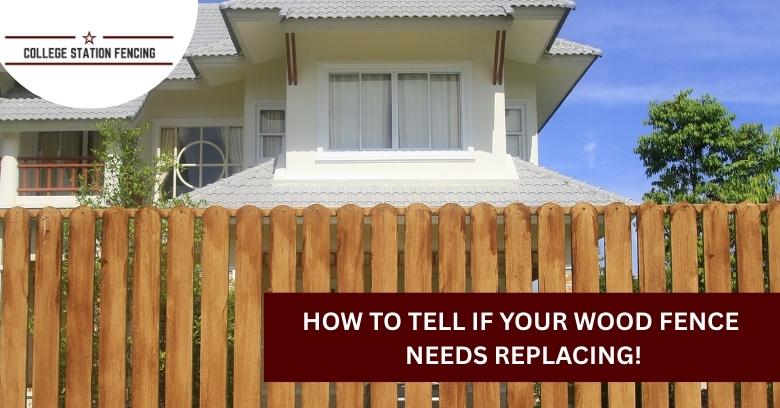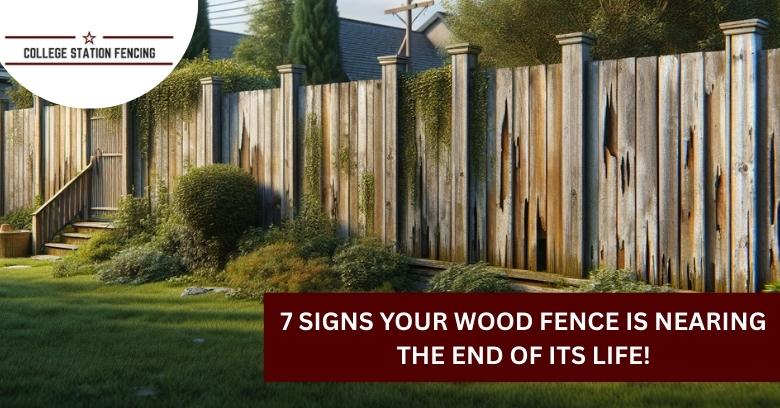
Think about the first impression your home or property makes. For many homeowners in College Station Texas and neighboring Bryan Texas, a wood fence is not just a functional property line; it is a statement piece, blending security, privacy, and curb appeal in one. Wood fencing is classic, durable, and beautiful when properly maintained, but no matter how well you care for it, even the sturdiest fence will eventually show its age. If you have found yourself peering at your fence and wondering if it is time to call in a fence contractor, you are not alone.
Whether you are looking to secure your pets, protect your garden from hungry critters, or simply enhance your property's charm, your fence works hard for you. It faces down the searing Texas sun, heavy rainstorms, and all the seasonal swings that make our climate unique. Over the years, even the highest-quality wood fencing in College Station and Bryan Texas has been susceptible to wear and tear, leading to structural and aesthetic issues. Ignoring early warning signs may mean more expensive repairs or a full replacement down the road.
For many people, recognizing those signs is not always straightforward. Is a little discoloration a problem, or just character? If there is a slight lean after a storm, can you DIY a fix, or do you need an expert's touch? This article is your definitive guide to the telltale signs that your wood fence may be nearing the end of its life and what you can do about it. We will walk you through the physical red flags, delve into the pros and cons of repair versus replacement, and share expert advice tailored to Texas property owners.
Imagine driving up to your home and spotting a fence that is warped, leaning, or missing boards. It not only drags down your curb appeal but could also indicate serious safety, privacy, or security issues. If your fence is showing its age, it is important to act sooner rather than later as waiting too long could result in increased repair costs, loss of property value, or even fines from homeowners associations. And with Texas weather being notoriously unpredictable, a fence that is already teetering on the brink is likely just one big storm away from collapse.
Whether you are proactively evaluating your fence's condition or responding to visible damage, knowing what to look for can save you headaches, money, and time. By the end of this guide, you will be able to spot the seven critical signs that it is time to consult a local fencing contractor and feel empowered to make the best decision for your home and family.
1. Significant Wood Rot or Decay
Wood rot is one of the most unmistakable and serious issues you will encounter with fencing in College Station and Bryan Texas. The humid climate and frequent rainstorms create the perfect breeding ground for the moisture-loving fungi that cause wood decay. When you inspect your fence and notice soft, spongy, or crumbling wood, especially near the base of the posts or where panels collect water, it is a clear signal that your fence's serviceable life is dwindling.
Rot not only undermines your fence's visual appeal but also its structural integrity. It often starts subtly, perhaps as some minor discoloration or small patches, but it spreads rapidly if left unchecked. Early detection can mean a minor repair, but once rot takes hold on a larger scale, replacing the damaged sections or even the entire fence is usually the safest route.
If you are unsure, give those suspect areas a gentle prod with a screwdriver or similar tool. If the wood yields easily or chunks break away, it is time to call an experienced fence contractor to assess your options.
2. Warping or Splitting Boards
Sun, rain, and temperature fluctuations can cause significant expansion and contraction in wood fencing, especially in the hot summers of College Station Texas and Bryan. Over time, this natural movement causes boards to warp, bending, twisting, or bowing away from their original shape. Not only does this look unsightly, but warped or split boards compromise your fence's ability to keep animals out and withstand wind.
Splitting is another red flag. Cracks that extend through large portions of boards signal that the wood has dried out and become brittle, making it vulnerable to breakage or falling out. While a few isolated splits can sometimes be patched or replaced, widespread warping and splitting usually mean it is time to consult a trusted fencing contractor for a replacement.
3. Leaning or Unstable Fence Posts
The backbone of any sturdy fence is its posts. When fence posts begin to lean, wiggle, or loosen, it is a clear sign that your fence is losing its battle against time and the elements. Waterlogged soil, termite damage, poor installation, or simple age can all contribute to this issue.
A leaning fence is not just an eyesore; it is a liability. It can topple unexpectedly, cause property damage, or even become a safety hazard. While some posts might be reset and stabilized, extensive instability usually calls for a new fence installation, especially if posts are rotten or the concrete footings have failed.
In College Station and Bryan where soil conditions and heavy rainfall can accelerate post-deterioration, it is crucial to act quickly when you notice shifting or leaning.
4. Missing, Broken, or Loose Boards
Are some panels or pickets missing? Maybe you have noticed boards that rattle in the wind or have completely snapped off after a storm. Missing, broken, or loose boards are more than just cosmetic problems; they compromise your fence's security, effectiveness, and structural soundness.
If there are just one or two problem boards, a simple repair may be all that is neede; however, if large sections are affected or you find yourself constantly replacing boards, it points to an overall decline in the fence. Persistent issues like these are a clear indicator that your fencing has reached the end of its useful life.
5. Mold, Mildew, or Algae Growth
While a little greenery on a wood fence might not seem urgent, the presence of mold, mildew, or algae is a wake-up call, especially in humid Texas environments. Beyond looking unattractive, mildew and algae trap moisture, accelerate rot, and can make the fencing slippery or unsafe to touch.
Check for black, green, or white patches, especially on shaded sections or near sprinkler lines. If scrubbing or power washing is not enough to clear it or the problem keeps returning, it is probably a deeper issue tied to wood deterioration. When these growths become widespread, it is time to bring in a fence contractor for an assessment.
6. Persistent Insect Damage
Termites, carpenter ants, and other wood-boring pests find fences particularly inviting, especially older installations that have lost their protective sealant. In College Station and Bryan Texas, these pests are common and can quickly turn a solid fence into a hollowed-out relic.
Look for telltale signs such as small holes, piles of sawdust, or hollow-sounding boards. Surface scratching, weakened posts, or sections easily breaking away are also indicators. While localized infestations may be treated, extensive insect damage often requires full or partial replacement and a pest control professional to make sure the problem does not ;return.
7. Fading, Discoloration, or Peeling Paint/Stain
Vibrant, freshly stained or painted fences not only look fantastic but also enjoy a layer of protection against the elements. Over time, sun exposure and weather extremes can fade, discolor, or cause the paint and stain to peel or flake. Discoloration might also indicate more serious damage, such as moisture penetration or rot beneath the surface.
If the aesthetic issues are limited to a small area, staining or painting may restore some life to your fence; however, if peeling, fading, or streaks are widespread and particularly if the underlying wood is soft or cracked, it is a sign that the material beneath has begun to fail. When this happens, restoring the fence's appearance is a losing battle, and it is time to weigh your options for new fencing.
The Pros and Cons: Repairing vs Replacing Your Fence
Once you have identified the warning signs, you will need to decide whether to repair or replace. Here are some key factors to consider:
Repairs:
Pros:
- Lower upfront cost
- Quick turnaround for small issues
- Maintains original appearance
Cons:
- Repetitive repairs can add up
- Does not address underlying structural decline
- May not meet safety or HOA guidelines
Replacement:
Pros:
- Long-term solution
- Improved curb appeal and value
- Opportunity to upgrade materials or style
Cons:
- Higher initial expense
- Requires more time and planning
- May need HOA approval or permits
If you are on the fence about professional help, consider contacting a local fencing contractor for an honest evaluation. They will help you analyze the problem, estimate the remaining lifespan, and make the best decision for your property and budget.
Local Considerations for Fence Longevity in College Station and Bryan Texas
Texas weather is as varied as its landscape. In College Station and Bryan, fences face everything from scorching sun to heavy rain and even the occasional freeze. Regular maintenance like sealing, staining, cleaning, and prompt repairs goes a long way, but eventually, all fences reach the point where replacement is more cost-effective than ongoing fixes.
Local fencing professionals not only know what to look for but also understand community guidelines, climate impacts, and the most durable materials for the region. Enlisting a reliable fence contractor makes certain that your new or repaired fence stands up to the unique demands of Texas living.
Conclusion
Your wood fence is a silent guardian, offering protection, privacy, and beauty, but it is not indestructible. From rot and warping to leaning posts and persistent pests, every sign of decline is a story written by time, weather, and the environment unique to College Station and Bryan Texas. Recognizing these seven signs early can mean the difference between a minor repair and a costly, overwhelming replacement.
If your fence is showing its age, do not ignore the warning signs. Promptly addressing issues helps preserve your property value, makes sure of your family's safety, and keeps your home looking its best. When in doubt, reach out to a trusted local fencing contractor for a thorough evaluation and professional guidance.
Not sure where to start? Take a walk around your yard today and look for these telltale signs. Whether you are dealing with minor repairs or facing a full replacement, making an informed decision now can save you a world of trouble down the line.
Ready to protect and refresh your property? Contact an expert fence contractor serving College Station and Bryan, Texas, and transform your fence from worn out to wow-worthy!
Key Takeaways
- Early Detection Saves Money: Catch signs of rot, warping, or leaning early to avoid costly major repairs or a full fence replacement later on. Routine inspections are your first line of defense.
- Rot is a Dealbreaker: Soft, crumbling, or discolored wood indicates rot and should never be ignored. Once rot spreads, repairs become impractical, and replacement is often necessary to maintain safety and aesthetics.
- Warping + Splitting = Structural Weakness: Boards that are bent, twisting, or showing deep cracks threaten the fence's stability. While minor issues can be fixed, widespread damage typically means it is time to replace your fencing.
- Do Not Ignore Leaning Posts: Leaning or loose fence posts can signal foundational problems due to weather or age. If several posts are unstable, professional intervention is critical to prevent collapse and maintain property security.
- Missing or Damaged Boards Compromise Security: One or two loose or broken boards can be repaired, but widespread panel failures make your fence vulnerable to intruders and the elements. Persistent issues call for a full assessment by a fence contractor.
- Mold and Mildew Are Warning Signs: Black, green, or white patches indicate moisture retention and impending rot. If cleaning does not solve the problem or it keeps returning, consider replacing the affected sections or the entire fence.
- Insect Damage Can Accelerate Decay: Signs of termites or carpenter ants such as holes, sawdust, or soft wood indicate structural damage. Address minor infestations quickly, but extensive damage requires professional fencing solutions and pest control.
- Fading or Peeling Paint Signals Deeper Issues: Significant discoloration or peeling finish often accompanies underlying damage. If restoration efforts fail, it is time to evaluate replacement opportunities.
- Regular Maintenance Extends Life - But Not Forever: Staining, sealing, and periodic inspections help prolong your fence's serviceable life, but environmental exposure in College Station and Bryan Texas eventually wins. Have a long-term plan and budget accordingly.
- Consult the Experts: When in doubt, a local fence contractor can provide a thorough inspection, honest assessment, and tailored recommendations. Professional input means your new or repaired fence is up to code and built to last.
FAQs
1. What are the most common signs my wood fence needs replacement?
The top indicators include rot or decay, warping or splitting boards, leaning or unstable posts, missing or broken panels, widespread mold or mildew, visible insect damage, and significant fading or peeling paint. If you notice several of these issues, it is time to consult a fence contractor.
2. How long does a typical wood fence last in College Station and Bryan Texas?
With regular maintenance, most wood fencing can last 15 to 20 years in Texas climates. Weather extremes, soil conditions, and exposure to pests can shorten this serviceable life.
3. Can I repair just a few boards or should I replace the entire fence?
Minor issues, such as a couple of broken boards or small patches of rot, can often be repaired. If damage is extensive or the fence is old and showing multiple signs of decline, replacement is usually more cost-effective and safer.
4. What type of wood is best for fences in the College Station and Bryan area?
Cedar and redwood are popular choices because of their natural resistance to rot and pests. A local fencing contractor can recommend the best options based on soil, climate, and neighborhood requirements.
5. How much does it cost to replace a wood fence in College Station or Bryan Texas?
Costs vary by material, length, and design, but most homeowners can expect to spend between $15 and $30 per linear foot for new wood fencing. Get a detailed quote from a reliable local fence contractor for an accurate estimate.
6. How often should I inspect or maintain my wood fence?
Inspect your wood fence at least twice a year and after major storms. Annual staining or sealing is recommended to protect against the weather and extend the serviceable life.
7. What can I do to protect my fence from rot and pests?
Regular cleaning, prompt repairs, sealing exposed wood, and keeping vegetation away from the base all help. For ongoing pest issues, a professional pest control treatment may be necessary, along with quality fencing materials.
8. Are permits or HOA approval required for a new fence in College Station or Bryan?
Many neighborhoods require permits or homeowners association approval before major fence work. Check local regulations and consult your contractor to ensure compliance.
9. Can I upgrade to a more durable fence material during replacement?
Absolutely. Replacing your fence is a great opportunity to explore more durable options, such as vinyl, metal, or composite materials. Your fencing contractor can guide you through available choices.
10. How do I choose a reliable fence contractor in College Station or Bryan Texas?
Look for contractors with local experience, positive reviews, and proper licensing. Ask for references and verify that they provide detailed written estimates and warranties on workmanship.
Ready to give your property the protection and charm it deserves? Do not wait until your fence is beyond repair; reach out to a trusted fence contractor in College Station or Bryan Texas today so that your fence remains as strong as your home.