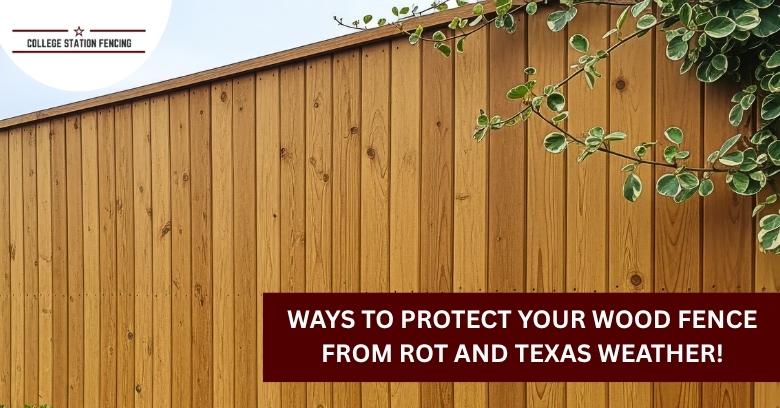
Wooden fences are a timeless choice for homeowners across Texas, offering both privacy and curb appeal. In vibrant communities like College Station and Caldwell Texas, wood fences do far more than define property lines. They showcase personality, provide security, and serve as the backdrop for countless backyard gatherings. Yet as any seasoned fence contractor will advise, Texas weather presents significant challenges. From blistering summer heat and intense sun exposure to sudden downpours and humidity, the state's climate is known for accelerating wood deterioration, leading to rot, warping, and unsightly splits.
Whether you have just completed a fence installation or are looking to extend the life of a longstanding perimeter, understanding how to protect your wood fence is crucial. Rot is not just a cosmetic concern; it compromises the structural integrity of your fence and can mean expensive repairs or total replacement far sooner than expected. What is more, unchecked rot attracts pests and can create weak points, making your entire outdoor space more vulnerable.
While the phrase that an ounce of prevention is worth a pound of cure can sound like a cliché, it could not be more accurate when it comes to fence care. Careful maintenance, strategic material selection, and regular vigilance can help your fence contractor install a barrier that stands strong despite Texas's wild weather mood swings.
So whether you are located in the heart of College Station Texas, nestled near Caldwell, or anywhere else in the Lone Star State, the following tips and expert insights will help you understand the best strategies for protecting your wood fence from rot and the relentless Texas weather. Let's explore the why, how, and what to do to safeguard your investment, support your property value, and keep your outdoor space looking its best, season after season.
Understanding How Texas Weather Impacts Wood Fences
Before getting into action steps, it is important to understand why your wood fence is at risk in the first place. Texas is known for its wild weather variations. Residents of College Station and Caldwell can testify to sweltering summers that seem to last forever, punctuated by torrential rains, high winds, and unexpected cold snaps. Here is how each plays a role:
1. Intense Sun and UV Exposure
The Texas sun is relentless and wood fences are vulnerable to UV damage. Extended exposure dries out wood, causing it to fade, crack, and lose its structural strength. Over time, boards become brittle and are more susceptible to rot once they absorb moisture.
2. Humidity and Rainfall
Humidity is a constant companion in many parts of Texas. Moisture in the air combined with rain seeps into wood fibers, creating the perfect breeding ground for mold and rot. Standing water at the base of your fence or poor drainage worsens the problem, weakening posts and panels from the ground up.
3. Soil Conditions
Heavy clay soil, common in College Station and Caldwell, expands and contracts dramatically with changes in temperature and moisture. This movement can destabilize fence posts, making them more likely to shift, lean, or crack, opening more avenues for rot and insect activity.
4. Wind and Storms
Strong winds and violent thunderstorms are part of life in East Central Texas. High winds can loosen fence posts and fasteners, while flying debris may cause cracks or breaks, providing more entry points for moisture.
Understanding these local stressors lets you target protection efforts where they count the most. Now, let's look at what you (and your fence contractor) can do about it.
Choosing the Right Wood and Treatment
Not all woods are created equal. Cedar and redwood are naturally resistant to rot and insects, making them a favorite for fence contractors in Texas. Pressure-treated pine is also popular, offering durability and affordability. Yet even the best wood needs extra protection in the Texas heat. Before a fence installation, professional contractors often recommend applying a high-quality wood preservative or sealant that penetrates deeply into the wood fibers.
Look for products specifically formulated for outdoor fencing. They should resist water infiltration and ultraviolet or UV damage, two of the main culprits behind wood degradation in Texas. Your fence installation expert should make sure that posts are treated along their entire length, not just the sections above ground. This step is crucial in places like College Station and Caldwell Texas, where soil moisture can linger.
Strategic Installation for Longevity
The methods and details your fence contractor uses during installation set the stage for long-lasting performance. Confirm that your contractor uses gravel at the post base to improve drainage, which keeps wood drier after rainstorms. Angling the tops of horizontal rails or fence boards also helps shed water rather than allowing it to pool.
Space the boards slightly apart to allow air circulation, which can significantly reduce trapped moisture, a common problem in College Station and Caldwell, as well as across other humid regions of Texas. Stainless steel or galvanized nails are a must to prevent rust, which otherwise would stain your wood and weaken the fasteners over time.
Routine Maintenance: The Secret to a Rot-Free Fence
Protective stains and sealants do not last forever. The sun's relentless rays and periodic storms in College Station Texas break down these coatings over time. Get into the habit of inspecting your fence after major weather events and at least once per season.
- Annual Cleaning: Use a mild detergent and water to remove grime, algae, and mildew from the surface. Avoid harsh chemicals or pressure washers, as they can damage wood fibers and coatings.
- Periodic Resealing: Reapply a water-repellent sealant or stain every two to three years, sooner if you notice fading, peeling, or excessive water absorption.
- Spot Repairs: Address loose boards, protruding nails, or minor rot immediately. Small repairs are far easier and less expensive than replacing entire panels.
Landscaping Considerations
Strategically placed plants, shrubs, and trees can enhance your property's appearance but may inadvertently hasten fence rot by trapping moisture and blocking sunlight. Keep vegetation trimmed so it does not rest against your fence, encouraging airflow and faster drying. When planning new landscaping, consider positioning plants far enough away from the fence to prevent overgrowth.
Mulch is another common culprit in College Station and Caldwell. If placed directly against the bottom of a wood fence, mulch absorbs and retains moisture, creating the perfect breeding ground for rot. Leave a small gap between your mulch and the base of your fence to improve longevity.
Pest Prevention
Rotting wood attracts termites and carpenter ants, both of which are plentiful in College Station and Caldwell. The simplest way to deter these pests is to minimize wood-to-soil contact and remove any debris piled against the fence. Regularly inspect for signs of sawdust, mud tubes, or small holes, clear signals that pests have arrived.
Professional fence contractors often recommend applying borate-based preservatives or insecticides as an extra line of defense, especially during fence installation. These treatments can be especially valuable in Texas's more rural areas, where pest populations are abundant.
Upgrading With Weather-Resistant Hardware
Not all threats to your fence come from nature. Hardware such as nails, bolts, and brackets can corrode over time, especially in the humid climate of College Station. Instead get stainless steel or hot-dipped galvanized hardware during installation or repairs. This significantly extends your fence's serviceable life by preventing rust stains and structural weaknesses.
When to Call a Professional Fence Contractor
Knowing when DIY is enough and when professional intervention is needed can save you time, stress, and money. Major rot, sagging sections, or shifting posts are signs that it is time to call in an expert. Experienced fence contractors in College Station and Caldwell will assess the damage, recommend solutions, and make certain of code compliance for fence installation and repairs.
Professionals bring experience with challenging soils, historic drought cycles, and local regulations that homeowners might overlook. Many also offer maintenance plans, giving you peace of mind that your wooden fence will continue to withstand Texas's toughest weather.
Embracing Technology: Modern Innovations in Fence Protection
The world of fencing is always evolving. Today, contractors in Texas have access to new wood treatments, eco-friendly sealants, and even smart moisture sensors that alert you when trouble is brewing beneath the surface of your fence. Remote monitoring, while not yet mainstream, is becoming more popular among College Station neighborhoods seeking low-maintenance solutions. These technologies can be discussed during your next fence installation project so that your investment stretches as far as possible.
Community and HOA Considerations
If you live in a College Station subdivision or Caldwell neighborhood governed by a homeowners association or HOA, check any rules regarding fence color, height, or treatments before undertaking repairs or upgrades. Many HOAs require prior approval for fence installation or major modifications, so that a reliable fence contractor will navigate these requirements for you.
Balancing Aesthetics and Durability
While durability and longevity are vital, Texas homeowners also care deeply about curb appeal. Regular cleaning, well-chosen stains, and decorative hardware add both protection and style. Consult with your fence contractor to select finishes that enhance your property's appearance while providing much-needed protection against weather and rot.
Conclusion
In the challenging climate of College Station Texas and surrounding areas like Caldwell, maintaining your wood fence is as much about strategic planning as it is about day-to-day upkeep. Texas weather spares no outdoor structure, but with the right approach, you can enjoy a sturdy, beautiful, and rot-resistant fence for decades.
By partnering with a professional fence contractor for your fence installation and ongoing maintenance, you see to it that your fence is built and protected using the best techniques and products available. Regular inspections, prompt repairs, and smart landscaping choices make a huge difference in extending your fence's life and appearance.
Do not wait for problems to appear - be proactive. Whether you are building a new fence or caring for an older one, these tips can help you weatherproof your investment and add value to your property. For tailored solutions and peace of mind, reach out to a trusted local fence contractor today. Your fence and your home will thank you for years to come!
Key Takeaways
- Choose the Right Materials: Start your project with rot-resistant woods like cedar or redwood or choose pressure-treated pine. Consult your fence contractor in College Station or Caldwell to make certain the wood is suited for Texas's variable climate.
- Invest in Professional Fence Installation: The experience and expertise of a local fence contractor make a measurable difference. They implement foundational best practices such as gravel drainage and proper post sealing that provide longevity even during brutal Texas storms.
- Seal and Stain Regularly: Reapply protective sealants or stains every two to three years to fend off moisture and UV damage. These treatments are crucial in College Station, where sun and rain each take their toll.
- Maintain Proper Drainage: During installation, insist on gravel or concrete footing for all posts, and avoid placing mulch directly against the wood. Good drainage keeps excess water away from your fence, reducing the risk of rot.
- Keep Vegetation Trimmed: Allow for plenty of airflow around your fence. Trim shrubs and trees so that leaves and branches do not press against the wood, especially after periods of rain or humidity.
- Routinely Inspect and Repair: Examine your fence seasonally and especially after storms. Look for signs of soft spots, discoloration, or pest activity. Address issues promptly before they escalate.
- Upgrade to Weatherproof Hardware: Choose stainless steel or galvanized fasteners and brackets to prevent rust, a common issue for fences in humid areas of Texas.
- Incorporate Modern Solutions: Explore modern options such as eco-friendly wood treatments, smart moisture sensors, or borate insecticides. Innovations can help catch early signs of rot and provide additional protection, especially in high-risk or rural areas around Caldwell.
- Observe HOA Guidelines: Always check with your homeowners association before making major repairs, changing colors, or installing new features. A local fence contractor will help navigate these requirements to avoid costly errors.
- Do Not Hesitate to Call in the Pros: Major repairs, persistent rot, or structural issues are best left to professionals. Expert fence contractors in College Station and Caldwell Texas have the knowledge and tools to restore your fence efficiently and effectively.
FAQs
1. What is the best wood for a rot-resistant fence in College Station Texas?
The best woods for rot resistance are cedar and redwood, thanks to their natural oils that deter moisture and insects. Pressure-treated pine is also a cost-effective, durable choice widely used by fence contractors in College Station Texas and the surrounding areas.
2. How often should I reseal or re-stain my wood fence?
Aim to reseal or re-stain your fence every two to three years. The harsh Texas weather can quickly wear down protective layers, so schedule maintenance more frequently if you notice fading or peeling.
3. Can I prevent rot without hiring a professional fence contractor?
Yes, basic maintenance such as cleaning, sealing, and inspecting can be handled by most homeowners; however, a fence contractor brings expertise and advanced treatments that maximize rot prevention, especially during fence installation.
4. What is the biggest cause of wood fence rot in College Station and Caldwell?
The combination of Texas humidity, frequent rainstorms, and intense sun causes wood to expand, contract, and retain moisture, leading to rot. Proper drainage, sealing, and routine upkeep are crucial.
5. Does landscaping really affect fence longevity?
Absolutely. Bushes, vines, and mulch that touch the wood trap moisture and encourage rot. Keep plantings trimmed and avoid piling mulch directly against the base of the fence to allow adequate airflow.
6. What are the signs my wood fence has started to rot?
Look for soft or crumbly wood, discoloration, musty odors, surface fungus, and loose boards. If you detect these issues, contact a fence contractor for evaluation and repairs.
7. Are there environmentally friendly options for fence protection?
Yes, many contractors now use eco-friendly sealants and borate-based treatments that are less toxic and still highly effective at protecting wood from Texas weather.
8. How important is hardware selection in preventing fence damage?
Very important. Stainless steel and galvanized hardware resist rust much better than standard fasteners and help prevent unsightly stains and weakening, especially in College Station's humid climate.
9. Do I need a permit or HOA approval to repair or install a fence?
Often, yes. It is important to check with local authorities and your HOA before beginning fence installation or major fence repairs in College Station or Caldwell. A reliable fence contractor can guide you through the process.
10. When should I replace my wood fence rather than repair it?
If more than 20 to 30% of your fence is rotted or structurally compromised, replacement may be more economical than piecemeal repairs. Your local fence contractor can help you make this determination based on their assessment.