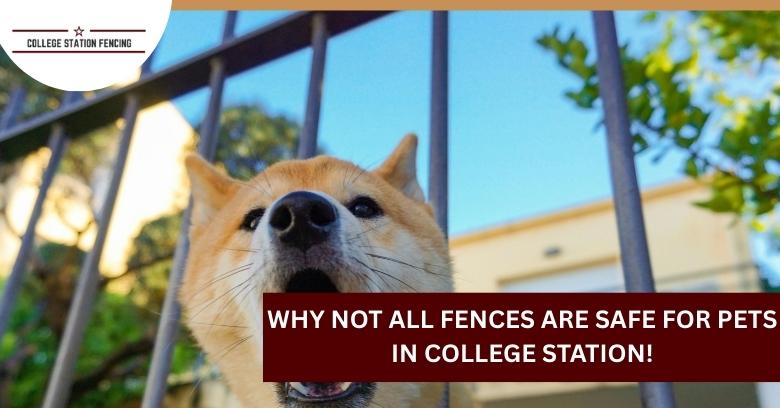
If you are a pet owner in College Station Texas, you know how important it is to provide a safe and secure environment for your furry friends. Your yard should be a sanctuary where your pets can run, play, and explore without the risk of escaping or facing harm; however, choosing the right fencing is not always as straightforward as it might seem. Not all fences offer equal protection, and with the area's dynamic climate, varied landscapes, and the specific needs of different pets, selecting the perfect fence poses its own unique challenges.
In the bustling neighborhoods and wide-open spaces of College Station, the demand for reliable fence contractors has grown steadily. Homeowners are not just seeking privacy or a border for their property; they are searching for solutions that keep their pets safe, comfortable, and happy. Local families want peace of mind, knowing their beloved dogs or curious cats cannot easily slip out or encounter dangers from the outside world.
At first glance, you might think a fence is just a fence: anything that marks a boundary will do. But as any experienced fence contractor in College Station Texas will tell you, the material, design, and installation technique make all the difference. Traditional wood fences can rot or splinter over time, metal fences may develop sharp edges, and chain-link fences can pose risks if not properly maintained. Additionally, certain fences may not be tall enough for larger breeds or may have gaps wide enough for smaller animals to squeeze through, posing a real escape risk.
Beyond the city in areas like Hearne, residents face similar challenges, with the added complication of rural wildlife that can threaten pets or damage fences. The region's climate, ranging from blazing summer heat to occasional heavy downpours, means that durability is as crucial as security when installing a fence.
Whether you have just adopted a playful puppy or want to upgrade your old boundary fence, understanding the nuances of pet-safe fencing is crucial. The right fence means the difference between enjoying your pet's company outdoors and constantly worrying about their safety. In this article, we will explore why not all fences are safe for pets in College Station and discuss what you, as a responsible pet owner, should consider before hiring a fence contractor or proceeding with a fence installation. By the end, you will have the insight you need to create a safe, secure, and stylish space that your pets will love and you will feel confident every time they step outside.
What Makes a Fence Pet Safe?
The Role of Materials
One of the first factors to consider is the material. Not all fence materials are created equal when it comes to pet safety. For example:
- Wood Fences: While they offer privacy and a natural aesthetic, wooden fences are susceptible to deterioration in College Station's humid climate. Splintering wood can injure pets and gaps that develop as wood warps may increase the risk of escape.
- Chain-Link Fences: Chain-link is a common choice for durability and affordability, but savvy pets, especially agile dogs, may find ways to climb or dig under them. Sharp edges, if not properly finished, can also cause injuries.
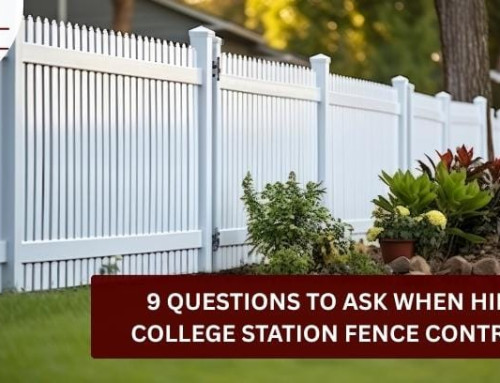
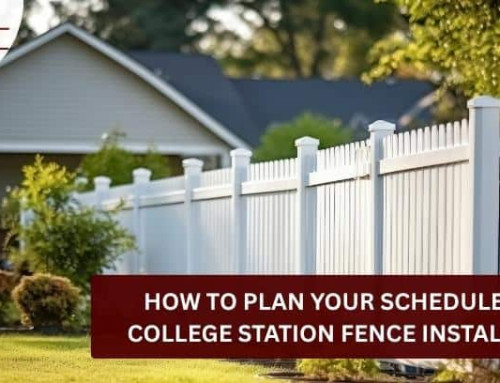
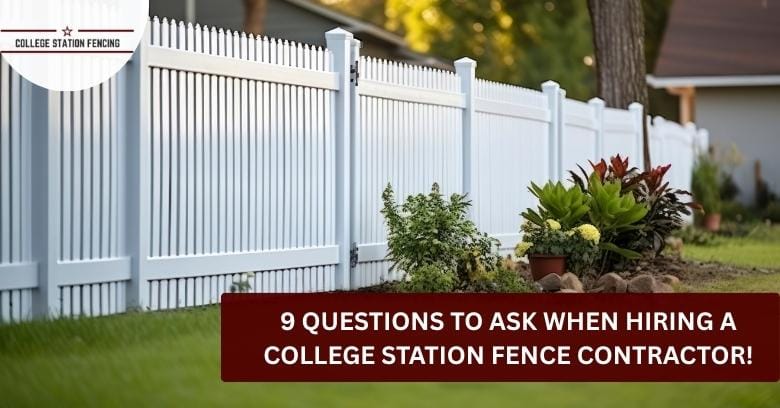
- Vinyl Fencing: Vinyl fences are often touted as low-maintenance and long-lasting. They do not splinter like wood, but panels must be installed close enough together to prevent smaller animals from squeezing through.
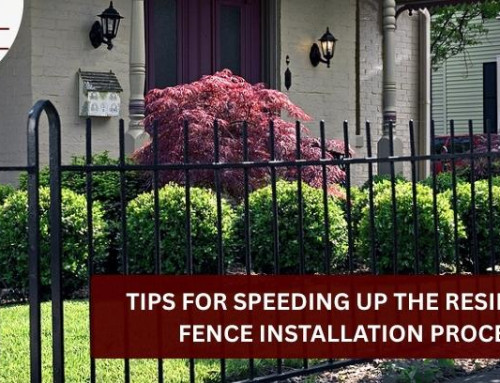
- Metal Fencing - Aluminum, Steel, Iron: These materials withstand the elements but often have pickets or gaps that may allow smaller pets to escape. They may also heat up during Texas summers, which can be uncomfortable or even dangerous for pets that like to lean or rub against them.
When working with a fence contractor in College Station Texas, always ask about the pros and cons of various materials based on your specific pets' habits and sizes.
Fence Height and Containment
Fence height is a critical consideration, especially for dog owners. Breeds like Huskies, Border Collies, or any particularly athletic dog can easily jump over low fences. A professional fence installation should account for your pet's size and tendencies:
- Small Dogs and Cats: Lower fences might suffice, but panel spacing and ground clearance become crucial.
- Medium to Large Dogs: Fences should be at least 4 to 6 feet tall to deter jumping.
A reliable fence contractor will ask about your pets before recommending a solution, whether you live in a developed neighborhood in College Station or on a spacious lot in Hearne Texas.
Gaps and Openings
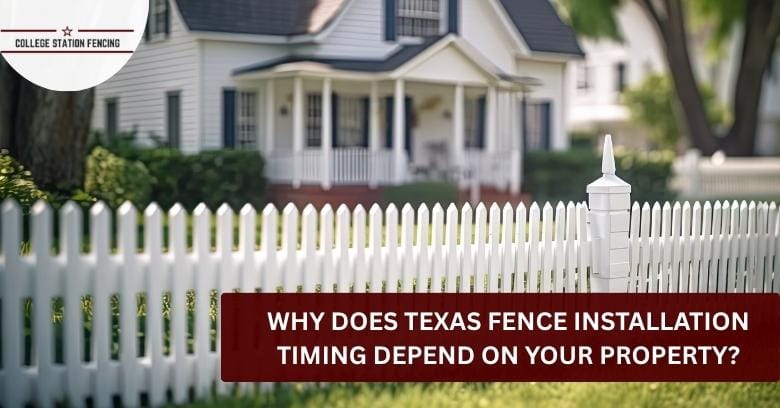
Seemingly minor gaps can spell trouble. Curious pets may attempt to poke their heads through pickets, risking injury or entrapment, or they may squeeze through entirely. Likewise, the space between the ground and the bottom of the fence is a common escape route, as some pets are determined diggers. Reinforcing the base with concrete or burying wire mesh is a smart move for fence installation in both urban and rural settings.
Gates and Latching Systems
Gates are often the weak point in any fence. Flimsy latches or easily manipulated mechanisms can turn your secure yard into an open highway. Secure, pet-proof locking systems, preferably with self-closing and self-latching mechanisms, are a must. Consult with your fence contractor about integrating pet-safe locks and regular gate inspections.
Fence Installation: Local Factors in College Station and Hearne
Climate and Environmental Challenges
Living in College Station or nearby Hearne means dealing with unpredictable weather. Intense sun, humidity, and occasional storms can all take a toll on fence materials and structures. Wooden fences, in particular, require regular treatment and sealing to avoid rotting and warping. Meanwhile, metal can rust if not properly coated, and even vinyl may become brittle after years of direct sunlight.
- Tip: Ask your fence contractor about weather-resistant materials and protective coatings during consultation. This helps ensure longevity and sustained safety for your pets.
The Importance of Professional Fence Contractors
DIY fence installation can be tempting, but mistakes can compromise your fence's integrity and your pet's safety. Professional fence contractors in College Station Texas have the experience and local know-how to anticipate common problems, from soil issues to wildlife interactions, and provide customized solutions.
A trusted contractor will:
- Conduct a thorough site assessment.
- Advise on suitable materials and designs for your yard and pets.
- See that fence posts are set deep enough to resist strong winds or determined diggers.
- Address any slopes or uneven terrain.
- Provide ongoing maintenance tips to extend your fence's lifespan.
Unique Considerations for More Rural Properties in Hearne Texas
In more rural areas like Hearne, the presence of wildlife increases the stakes. Coyotes, snakes, and even larger animals are more likely to be found near properties bordering fields or wooded areas. Fences need to be tall and sturdy, with minimal gaps and secure perimeters. Some homeowners add mesh or electric deterrents at the base or top to ward off climbers and diggers, features best installed by a local fence contractor familiar with the region's unique challenges.
Common Fence Mistakes That Put Pets at Risk
- Forgetting About Digging: Many homeowners do not realize how determined pets can be to dig under a fence. Whether they are motivated by a squirrel, curiosity, or simply boredom, dogs in particular can create escape routes quickly. Professional fence installation may include burying a portion of the fence underground or installing a concrete footer to prevent tunneling.
- Overlooking Fence Maintenance: An older or damaged fence loses its ability to contain pets. Loose boards, bent chain links, and rusted metal can all create hazards. Regularly inspect your fence for weak spots, protruding nails, or areas of visible wear and arrange prompt repairs with your fence contractor.
- Poor Gate Security: A gate that does not latch properly or swings open easily is all it takes for a pet to slip out. Dog owners in College Station frequently report escapes through faulty gates rather than through the fence itself. Investing in strong gate hardware and conducting periodic checks can save you headaches and frantic searches for lost pets.
- Not Considering Pet Personality: Every animal is different and some are expert escape artists, while others are content just to bask in the sun. Share your concerns and observations with your fence contractor during initial discussions so they can recommend barrier and security options tailored to your pets' unique needs.
- Ignoring Local Regulations: Homeowners' associations and city ordinances in College Station or Hearne can dictate fence heights, designs, and even permissible materials. Before starting your fence installation, double-check the community rules to avoid fines or the need to alter your fence after construction.
The Impact of a Secure Fence: Beyond Safety
- Peace of Mind for Pet Owners: Knowing your backyard is a safe haven lets you relax while your pets enjoy fresh air and exercise. With the right fence contractor and proper installation, you will spend less time worrying about their safety and more time bonding.
- Enhanced Property Value: A professionally installed, pet-friendly fence can boost your home's appeal if you ever decide to sell, especially to fellow animal lovers. Buyers recognize the value of thoughtful features that prioritize pet safety.
- Improved Neighborhood Relations: Pets that cannot escape are less likely to roam, leading to fewer complaints from neighbors. A sturdy, attractive fence also demonstrates responsible pet ownership, garnering goodwill in College Station's tight-knit communities and the rural environs of Hearne Texas.
- Supporting Local Wildlife: A secure fence keeps pets safely contained while also deterring unwanted wildlife from entering your yard. This reduces encounters that could harm either your pet or local fauna, contributing to a harmonious balance in these Texas communities.
Conclusion
In College Station Texas and surrounding areas like Hearne, the decision to invest in a new fence is much more than a cosmetic upgrade. It is a choice that affects your pets' wellbeing, your property's value, and even your relationship with neighbors and local wildlife. Not every fence is created equal, and as we have explored, some common options can present real dangers if not chosen and installed thoughtfully.
Understanding exactly what makes a fence safe for pets, considering materials, height, gate security, and local environmental factors, empowers you as a pet owner to make informed decisions. Consulting a qualified fence contractor in College Station means that your fence installation will not only meet local codes but also stand up to your pets' behavioral quirks and the region's unpredictable climate.
If you are preparing to enclose your yard or update an aging boundary, do not settle for generic solutions. Insist on custom advice and professional craftsmanship tailored to your pets' needs. Your four-legged friends will thank you with years of joy and loyalty and your peace of mind is well worth the investment.
Ready to create the perfect pet-friendly yard in College Station, Hearne, or anywhere in between? Contact a reliable fence contractor today for a personalized consultation on fence installation and give your pets the secure space they deserve!
Key Takeaways
- Not all fences are pet-safe. Materials, height, and installation details can make or break a fence's ability to securely contain and protect your pets.
- Material matters. Wood, vinyl, chain-link, and metal all have unique benefits and drawbacks for pets, so choose based on your animal's size, habits, and the Texas climate.
- Height and gaps are crucial. Tall enough fences deter jumpers; tight enough gaps prevent squeezers and curious escape artists.
- Do not forget gate security. Invest in gates with a reliable self-closing, self-latching mechanism to prevent accidental escapes.
- Consider digging and climbing. Some pets are determined to dig under or climb over fences; reinforcement at the base or top can make all the difference.
- Local contractors offer local expertise. Fence contractors in College Station and Hearne know what works best in the area, from weatherproofing to wildlife deterrents.
- Regular maintenance is a must. Inspect for damage, loose parts, and rust regularly to keep your fence at its best, making it safer for your pets and longer-lasting for your yard.
- Observe your pet's personality. Share behavioral concerns with your fence contractor for a truly custom fence installation solution.
- Understand local regulations. Check neighborhood, city, or rural rules before building to be in compliance and avoid costly changes.
- A safe fence benefits everyone. Secure fences not only protect pets but also add value to your property, reduce neighborhood conflicts, and help conserve native wildlife.
FAQs
1. Why should I hire a fence contractor in College Station Texas for pet fencing?
A professional fence contractor understands the local climate, soil, and common pet behaviors. They deliver fence installation expertise and materials that keep your pets secure and your fence long-lasting.
2. Are wood fences safe for pets in College Station?
Wood fences can be pet-safe when installed correctly, but Texas humidity can cause warping and rot. Choose pressure-treated or sealed wood and be vigilant with regular maintenance to prevent splinters or gaps.
3. Is chain-link fencing a good choice for energetic dogs?
Chain-link fences are durable, but energetic, athletic dogs may climb or dig under them. Secure the base and ensure proper height during installation for safer containment.
4. Can I use vinyl fencing for both dogs and cats?
Yes! Vinyl fencing, if built with closely spaced panels and enough height, is generally safe for both dogs and cats, offering smooth, splinter-free surfaces and reliable durability.
5. How can I stop my dog from digging under the fence?
Request that your fence contractor install a concrete footer or bury wire mesh along the fence's base during the fence installation. This barrier deters even the most persistent diggers.
6. What is the ideal fence height for large dogs in College Station?
For most large dogs, a fence at least 6 feet high is recommended. Athletic breeds may require even taller fences to prevent jumping or climbing.
7. Do I need to worry about local wildlife in Hearne Texas?
Absolutely. Rural areas like Hearne have more frequent wildlife encounters. Select sturdy materials and consider adding mesh or deterrents for extra protection.
8. How often should I inspect my pet fence for safety?
Check your fence at least every few months for signs of wear, damage, or vulnerabilities. After storms or extreme weather, inspect immediately and arrange repairs with your contractor if needed.
9. Are there city rules about fence installation in College Station?
Yes, local ordinances and HOAs may dictate fence height, materials, and design. Confirm these requirements with your fence contractor before building to avoid costly fines or alterations.
10. How do I choose the best fence installation company for my pet's needs?
Look for fence contractors with experience in pet-safe fencing in College Station and Hearne. Read reviews, request references, and ask for a consultation focused on your pet's habits and your yard's layout.