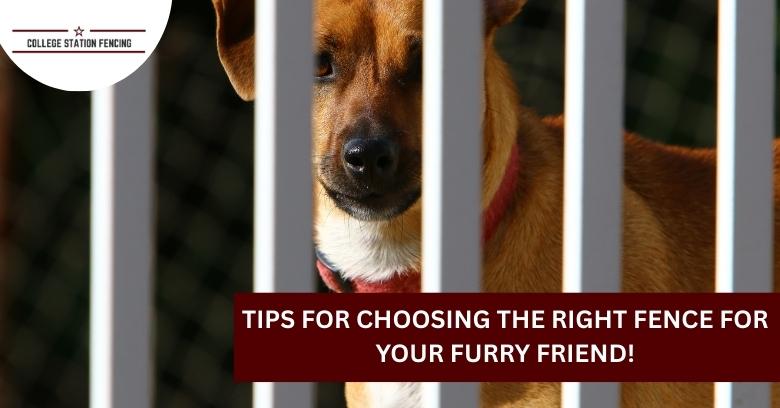
Choosing the perfect fence for your pet is one of the most important decisions you will make as a responsible pet owner. Whether you are bringing home a brand-new puppy, adopting a rescued dog, or already have a yard full of four-legged companions, your fence is their primary line of safety, comfort, and freedom. It is more than just a physical boundary; it is the gateway to playtime adventures, zoomies on the lawn, and sunny afternoon naps in the shade. The right fence can bring you peace of mind and a safe, stimulating environment for your furry friend.
That is where a professional fence contractor steps in, especially if you are located in College Station Texas or neighboring areas like Caldwell. Not only do local experts have a deep understanding of regional materials, climate, and zoning requirements, but they can also help you navigate the unique challenges that come with protecting pets in Texas's diverse neighborhoods. While some homeowners consider DIY fence installation, partnering with seasoned pros saves you time and reduces problems so that your investment lasts for years.
Pet fencing is not a one-size-fits-all endeavor. The breed, size, temperament, and habits of your animal companion play major roles in determining the best fencing solution. Some dogs are jumpers, others are diggers, and many are skilled escape artists. Factoring in your home's architecture, aesthetics, local HOA guidelines, and your own lifestyle only adds to the complexity. This article will walk you through every step: from assessing your pet's needs to understanding material options, evaluating pros and cons, and finding a trusted fence contractor in College Station or Caldwell Texas. Whether you prefer classic wood, durable vinyl, sleek aluminum, or the popular chain link, you will get a breakdown of advantages, disadvantages, and real-life applications. We will also highlight how professional fence installation elevates both the safety and style of your property, all while keeping your furry friend at the heart of every decision.
So, if you are a pet parent in Brazos Valley or beyond looking to install a reliable pet enclosure, you are in the right place. Get ready to make an informed, confident choice that suits your family, your home, and most importantly, your beloved pet.
Navigating the Pet Fence Maze: Everything You Need to Know
Understanding Your Pet's Needs
Before diving into the fence styles, materials, and installation methods, start by closely observing your pet's behavior:
- Are they jumpers or climbers?
- Do they like to dig or chew?
- Are they escape artists or happy to stay in the yard?
Small breeds like Dachshunds might require a low fence that blocks digging, but athletic breeds such as Labs or Huskies might need taller, more secure structures. For cats or more exotic pets, you might need specialized enclosures. And do not forget multi-pet households - the right fence keeps everyone happy and secure.
Fence Materials: Pros, Cons, and Best Uses
Let's break down the most popular fencing materials for pet owners in College Station and Caldwell Texas:
Wood Fencing
- Pros: Classic, versatile, customizable in height/design, and offers privacy.
- Cons: Requires periodic maintenance of staining or sealing, may splinter, and can be vulnerable to chewing or digging.
- Best for: Owners seeking aesthetics and privacy; great for large yards or traditional homes.
Vinyl Fencing
- Pros: Low-maintenance, resistant to rot and pests, smooth for paw safety, and comes in many styles.
- Cons: Higher upfront cost, repairs can be expensive if damaged.
- Best for: Busy homeowners or those wanting a clean, modern look. Excellent for humid climates like College Station.
Chain Link Fencing
- Pros: Cost-effective, durable, quick installation, minimal maintenance.
- Cons: Offers less privacy, can be climbed by agile pets unless fitted with toppers.
- Best for: Large properties, practical pet enclosures, and those on a budget.
Aluminum/Steel Fencing
- Pros: Sleek, rust-resistant, strong, and can mimic wrought iron.
- Cons: More expensive, open designs may not contain small pets, and there is less privacy.
- Best for: Decorative perimeter fencing, secure containment for large dogs.
Composite Fencing
- Pros: Eco-friendly, extremely durable, low-maintenance, and resembles wood.
- Cons: Highest upfront cost, fewer color/design options than vinyl or wood.
- Best for: Environmentally conscious pet parents investing in long-term solutions.
Key Fence Installation Factors for Pet Owners
Height and Depth
- Recommendation: For most dogs, a 4 to 6 foot fence suffices; athletic or large breeds may need 6 feet or more.
- For diggers: Bury the fence at least 12 inches below ground level or add a concrete apron to deter escape attempts.
Gaps and Spacing
Pets, especially small ones, can squeeze through surprisingly narrow spaces. Check fence panels and gates for:
- Horizontal gaps: Keep them under 3 inches for small dogs.
- Vertical slats: Ideal for dogs that cannot climb; horizontal rails may act as ladders.
- Under-gate space: Be certain that gates and panels sit close to the ground.
Gates and Latches
Your furry friends are clever! Install self-closing and self-latching gates or consider keyed entry for extra peace of mind.
Visibility and Aesthetics
Fences can block out distractions helping anxious dogs relax or offer visibility for curious pets to watch the world. Balance security with your dog's temperament and your curb appeal goals.
Working with Expert Fence Contractors in College Station and Caldwell Texas
Hiring a top-rated fence contractor sees to it that regulations are followed and installation is precise. In College Station and Caldwell, local professionals understand regional weather, soil conditions, and HOA requirements. They will:
- Offer free site assessments and quotes.
- Recommend suitable materials for your climate.
- Handle permits and code compliance.
- Deliver long-lasting results tailored to your property.
A reliable fence installer will also help with ongoing maintenance, repairs, or upgrades, making them a valuable long-term partner.
Local Insights: Why It Matters
The sometimes unpredictable Texas weather such as spring storms or summer heat can test any fence. Professional fence contractors in College Station account for wind load, soil type, and even local critters like armadillos or coyotes when designing your ideal pet fence.
The Homeowner's Checklist: Preparing for Pet Fence Installation
- Evaluate property lines: Avoid boundary disputes by confirming exact locations.
- Check HOA rules: Many communities have fencing guidelines for materials, styles, and heights.
- Plan for landscaping: Consider how trees, flowerbeds, or garden paths fit with your new enclosure.
- Consider long-term needs: Puppies grow, families expand - will your fence adapt?
- Budget smartly: Factor in materials, installation, and maintenance costs. Remember, a quality fence is an investment in safety and happiness.
Special Considerations for Pet-Friendly Fencing
- Dog Windows: Small, safe acrylic bubbles let even shy dogs peek out without risk of escape.
- Double Gates/Airlocks: Prevent accidental escapes when entering or leaving with your pet.
- Non-Toxic Materials: Be sure paints, stains, or treatments are pet-safe.
- Integrated Shade or Shelter: Attach shade cloth, canopies, or small covered areas for extra comfort in Texas heat.
Fence Installation: DIY vs Professional
Many homeowners in College Station and Caldwell Texas weigh the pros and cons of DIY versus professional fence installation.
DIY Approach
- Pros: Can be cost-effective if you have tools/skills, a fun personal project, and a flexible timeline.
- Cons: Time-intensive, challenging for larger or sloped lots, risk of errors that can cost more in the long run, may void material warranties.
Professional Installation
- Pros: Fast, code-compliant, expert craftsmanship, often includes a warranty.
- Cons: Higher upfront cost, need to coordinate scheduling.
For most pet owners, especially those concerned with their pet's security, professional installation wins for peace of mind and long-term durability.
Enhancing Safety and Happiness for Pets
A thoughtfully installed fence does not just keep your pets in; it can also keep dangers out. Fences can deter wildlife, stray pets, and even unwanted human visitors. They are also crucial for limiting unsupervised interactions that may stress your animal or your neighbors. The right fence offers your pet freedom and enrichment, letting them enjoy fresh air, exercise, and playtime safely.
Fence Maintenance Tips for Pet Owners
- Inspect regularly: Look for loose boards, rusted hardware, or weak spots where pets dig or lean.
- Clean as needed: Keep surfaces free from dirt, mold, or waste.
- Patch, seal, or repaint: Prevent wear and extend the fence's serviceable life.
- Upgrade as your needs change: Expand fenced areas or reinforce sections as your pet grows, or if you add new animals.
Conclusion
Choosing the right fence for your furry friend is more than a construction project; it is an investment in their safety, your peace of mind, and your property's value. From classic wood to high-tech vinyl or sleek metal options, the best fence depends on your pet's temperament, your home's design, and your lifestyle. By considering every detail from material and height to proper installation and ongoing care, you set up your beloved pet for a lifetime of safe exploration.
Partnering with a qualified fence contractor in College Station or Caldwell Texas signifies that every aspect of your project is expertly handled, saving you frustration and potential mishaps. Local pros respect city codes, understand weather challenges, and offer customized solutions that fit your unique needs. Whether you need a privacy fence for a nervous pup, a durable barrier for an athletic breed, or creative extras like doggy windows, the right contractor will bring your vision to life so you and your pet can relax, enjoy, and play together every day.
Ready to get started? Reach out to a trusted fence installer in your area and give your furry friend the freedom and security they deserve. Your yard is not just a space; it is their whole world. Make it safe, make it stylish, and above all, make it theirs!
Key Takeaways: Making Pet Fencing Easy and Effective
- Assess Your Pet's Unique Behaviors: Different breeds have different needs, so observe whether your pet is a jumper, digger, or climber to select the right fence style and features.
- Choose the Right Material: Wood offers classic beauty but requires maintenance; vinyl is low-maintenance and durable; chain link is budget-friendly and practical. Select the material that fits your climate, lifestyle, and pets.
- Prioritize Height and Security: Larger or more athletic pets require taller fences of at least 6 feet, while smaller pets may need tighter gaps or buried barriers to prevent escapes.
- Work with Local Experts: In College Station and Caldwell Texas, local fence contractors understand city regulations, HOA guidelines, and climate demands, so that your fence stands the test of time.
- Plan Gate Safety Features: Opt for self-closing and self-latching gates to minimize escape risks and consider lockable options if local wildlife or children are a concern.
- Integrate Pet-Friendly Enhancements: Features such as dog windows, dig guards, and shaded areas increase comfort and help prevent behavioral issues.
- Check Zoning and HOA Requirements: Avoid future headaches by verifying property lines and community fencing regulations before installation.
- Balance Privacy and Visibility: Solid fences help anxious pets, while see-through options accommodate curious or social animals. Choose based on your pet's temperament.
- Invest in Professional Fence Installation: DIY may save money upfront, but professional installation provides durability and code compliance and often includes warranties, critical for long-term pet security.
- Maintain Regularly: Routine inspections, cleaning, and prompt repairs help prolong your fence's serviceable life and keep your pet safe year-round.
FAQs
1. What is the best fence type for dogs in College Station Texas?
Most pet owners in College Station prefer vinyl or wood fencing for durability and privacy, but the best choice depends on your dog's size and behavior. Consult a local fence contractor to assess your specific needs.
2. Can a fence contractor customize my installation for diggers or jumpers?
Absolutely! Experienced fence contractors in College Station and Caldwell Texas regularly add dig guards, taller panels, or anti-climb toppers to keep active or escape-prone pets from digging out or climbing out.
3. Do I need a permit for fence installation in College Station Texas?
Yes, most residential fence installations require a permit. Local fence contractors handle permitting to be sure of compliance with city and HOA regulations.
4. How high should my pet fence be?
For most dogs, fences should be at least 4 feet tall. For larger or athletic breeds like Huskies or German Shepherds, opt for 6 feet or higher for safety.
5. Is chain link a good option for pet fencing?
Chain link is cost-effective and durable, making it great for pet enclosures; however, it offers less privacy and may need upgrades to prevent climbing or digging.
6. How do I prevent my dog from digging under the fence?
Install the fence at least 12 inches below ground or add an underground barrier. Local fence contractors can recommend effective solutions based on your yard.
7. Should I hire a professional for fence installation?
Hiring a professional fence contractor makes sure of precise installation, regulatory compliance, and long-lasting results, especially important for pet safety.
8. What maintenance is required for wooden fences vs vinyl?
Wood requires staining or sealing every few years, plus occasional repairs. Vinyl is mostly maintenance-free, but should be inspected for cracks or shifting after storms.
9. Can I include features like dog windows or double gates?
Yes! A skilled fence contractor in College Station or Caldwell can incorporate dog windows, double gates, and other pet-friendly features into your fence design.
10. How long does pet fence installation usually take?
Most installations in College Station and Caldwell Texas take between a few days and a week, depending on the fence size, material, and any custom features requested.