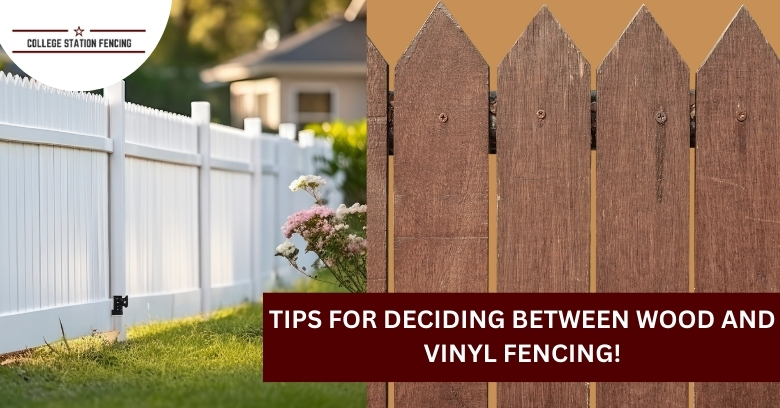
When homeowners in College Station Texas start planning a new fence, one of the first questions they face is simple yet complex: should it be vinyl or wood? The answer is not just about appearance. A fence defines your property boundaries, enhances your home’s curb appeal, improves security, and even affects long-term maintenance and costs. For those in Caldwell Texas, the considerations are similar, though local weather, soil conditions, and property layouts may influence the best choice.
Hiring a professional fence contractor can take the guesswork out of the process, guaranteeing proper materials, accurate fence installation, and a durable and beautiful finished product. Still, understanding the differences between vinyl and wood fences empowers homeowners to make informed decisions and ask the right questions before committing to a purchase.
A fence is not just a practical investment; it is a statement. The wrong choice can lead to sagging panels, warping boards, frequent maintenance, or even early replacement. The right choice can last decades, enhance property value, and provide peace of mind.
Why Your Fence Choice Matters
Many homeowners underestimate the long-term impact of their fence choice. Beyond marking your property, a fence shapes the overall feel of your home. A well-selected fence can:
- Improve privacy and security for your family
- Complement the architectural style of your home
- Increase curb appeal and property value
- Withstand local weather conditions with minimal maintenance
For example, in College Station, harsh summer sun can quickly damage untreated wood. In Caldwell, moisture and occasional storms can accelerate rot or cause warping. These environmental factors highlight the importance of selecting a material suited to your local climate and having it installed by a licensed fence contractor who understands the area’s challenges. Proper fence installation establishes that posts are secure, panels are aligned, and the fence will endure for years.
Understanding Vinyl Fencing
Vinyl fencing has gained popularity among homeowners looking for a low-maintenance, long-lasting option. Made from high-quality PVC, vinyl fences resist rot, insects, and weathering. Unlike wood, vinyl does not warp, split, or require frequent staining or sealing.
The main advantages of vinyl include:
- Durability– Resistant to sun, rain, wind, and humidity common in College Station and Caldwell
- Minimal Maintenance– Occasional washing is typically all that is required
- Consistency– Uniform color and texture across panels offers a polished look
- Variety– Styles range from traditional privacy panels to decorative lattice tops
Vinyl fencing is not perfect as it often has a higher upfront cost than wood and while many styles exist, customization options are somewhat limited. Damaged panels may require professional replacement. Yet for homeowners seeking a fence that stands up to weather without constant upkeep, vinyl is a practical, worry-free solution.
Understanding Wood Fencing
Wood fencing offers natural beauty and flexibility. Common wood types include cedar, pine, and redwood, each with its own strengths. Cedar naturally resists insects, pine is more affordable, and redwood offers a rich color and long-term durability. Wood fences can be stained or painted to match the home’s style, giving homeowners a sense of control over the fence’s appearance.
The advantages of wood fencing include:
- Customizable: Can be painted or stained to suit any design preference
- Natural Appeal: Warm, organic look that blends with landscapes
- Versatile: Suitable for privacy, decorative, or picket fences
The disadvantages, however, are significant:
- Maintenance Intensive: Requires regular staining or sealing
- Susceptible to Damage: Rot, insects, and weather can reduce serviceable life
- Potential Warping: Boards may split or twist if not properly installed
Wood fencing works best for homeowners who value aesthetics and are willing to invest time in upkeep. In College Station and Caldwell, selecting treated or naturally resistant wood and hiring a professional fence contractor can mitigate many of the risks associated with moisture and pests.
Cost Considerations
Budget is often the deciding factor between vinyl and wood. Homeowners should evaluate both initial costs and long-term maintenance expenses.
Vinyl fencing generally costs $20 to $40 per linear foot, depending on height and style. While the upfront cost is higher, the low maintenance offsets expenses over time. Vinyl rarely needs repairs or repainting, which reduces long-term investment.
Wood fencing typically costs $15 to $30 per linear foot. While cheaper initially, maintenance including staining, sealing, and occasional repairs adds to the total cost over time. Environmental conditions in College Station and Caldwell may require more frequent upkeep than average, further increasing expenses.
Working with a local fence contractor can provide an accurate cost estimate, including material, labor, and any additional items such as gates or decorative features. Professional fence installation provides that the fence is secure, level, and able to withstand years of weather, which can save money on future repairs.
Maintenance Requirements
Maintenance is where vinyl and wood truly diverge.
Vinyl fences:
- Require minimal upkeep, just wash a few times a year
- Resistant to rot, insects, and fading
- Minor damage can often be repaired without replacing panels
Wood fences:
- Need staining or painting every 2 to 3 years
- Must be inspected for rot, insects, and weather damage
- Drainage around posts is essential to prevent premature decay
For busy homeowners, vinyl is appealing due to its convenience. Wood offers traditional beauty but demands regular attention, which may be a deterrent for those with limited time or inclination for maintenance.
Aesthetic and Design Factors
A fence is both functional and decorative. Homeowners should consider:
- Privacy: Full panels for seclusion versus open designs for visibility
- Home Style: Wood complements traditional homes while vinyl can mimic modern or classic styles
- Color and Finish: Wood can be painted or stained in virtually any color while vinyl comes in pre-colored options
Some homeowners blend materials for a customized look, like vinyl panels framed by wood posts. A professional fence contractor can guide these design choices and recommend styles that suit your property while meeting practical needs.
Installation Tips from Professionals
Even the highest-quality fencing materials can fail if installed incorrectly. Many homeowners underestimate how proper fence installation affects durability and appearance. A crooked fence, uneven panels, or shallow posts can lead to sagging, warping, or premature failure. That is why hiring a licensed fence contractor is so important. Professionals make sure that posts are set to the correct depth, panels are level, and gates operate smoothly.
College Station homeowners should also consider several practical points:
- Always check for utility lines before digging
- Evaluate soil type and drainage to prevent post shifting
- Be aware of local building codes in College Station and Caldwell
- Schedule installation during moderate weather to avoid complications
While some homeowners attempt DIY fence installation, mistakes are common. Poorly installed fences often require costly repairs and may void manufacturer warranties. Professional installation guarantees a structurally sound fence that stands the test of time.
Making the Decision – Vinyl or Wood?
Choosing between vinyl and wood ultimately depends on your priorities, including durability, maintenance, aesthetics, budget, and personal preference. Both materials have distinct advantages and understanding these differences helps homeowners make an informed choice.
Vinyl fencing generally comes with a higher initial cost, but it requires minimal maintenance and can last 20 to 30 years. Its uniform color and texture, combined with resistance to insects and weather, makes it ideal for homeowners seeking a low-maintenance, long-lasting solution. By contrast, wood fencing is more affordable upfront and offers unmatched customization. Its natural warmth, versatility, and aesthetic appeal attract homeowners who enjoy personalizing and caring for their fence, though it typically lasts 10 to 20 years with regular upkeep.
When deciding, consider these key points:
- Durability: Vinyl withstands sun, rain, and humidity better than wood, making it a strong choice for long-term performance.
- Maintenance: Vinyl requires occasional cleaning, while wood must be stained, sealed, or painted every few years.
- Aesthetic Flexibility: Wood makes allowance for painting, staining, and creative designs, whereas vinyl offers a range of pre-colored styles.
- Cost Considerations: Vinyl has a higher initial price but lower long-term upkeep costs, while wood is cheaper upfront but may require ongoing maintenance expenses.
- Climate and Environment: Local conditions matter as College Station’s intense sun can warp untreated wood, while Caldwell’s occasional storms may stress panels of either material.
In addition, soil type, drainage, and property layout can influence the choice and performance of your fence. Consulting a professional fence contractor makes certain that your fence material and design are optimized for local conditions and that your fence installation is done to last. By weighing these factors, homeowners can confidently choose a fence that balances style, function, and longevity.
Practical Tips for Homeowners
Even with professional guidance, homeowners can take steps to protect their investment:
- Plan Ahead: Identify property lines, access points, and intended fence use for privacy, pet containment, or decorative purposes.
- Set a Realistic Budget: Include materials, professional fence installation, and long-term maintenance.
- Check Warranties: Ask about manufacturer and contractor guarantees.
- Schedule Installation Carefully: Avoid extreme weather periods.
- Inspect Regularly: Even vinyl fences benefit from occasional checks for damage or dirt accumulation.
These proactive steps, combined with the expertise of a licensed fence contractor, help homeowners achieve a fence that balances aesthetics, functionality, and longevity.
Conclusion
Choosing between vinyl and wood fencing is a significant decision for homeowners in College Station and Caldwell Texas. Both options offer distinct advantages and challenges. Vinyl provides low-maintenance durability and a consistent appearance, making it ideal for busy homeowners or those seeking long-lasting convenience. Wood offers timeless beauty, versatility, and customization but requires ongoing maintenance and care.
The key to a successful fence project lies in informed decision-making and professional guidance. Evaluating your budget, property layout, aesthetic preferences, and local climate confirms that your fence meets both functional and visual goals. Partnering with a licensed fence contractor guarantees proper fence installation, longevity, and protection of your investment.
Ultimately, whether you choose vinyl or wood, a well-selected fence can enhance your property’s appearance, provide privacy and security, and remain a source of pride for years to come. Investing time in research, planning, and professional assistance means that your fence is more than just a boundary, it becomes an extension of your home’s style and functionality!
Key Takeaways
- Vinyl fencing is low-maintenance, durable, and ideal for homeowners seeking long-lasting results with minimal effort.
- Wood fencing provides natural beauty and customization but requires regular maintenance to prevent weather or pest damage.
- Consider both initial cost and long-term maintenance when choosing between materials.
- A professional fence contractor does proper fence installation, maximizing serviceable life and protecting your investment.
- Homeowners in College Station and Caldwell should account for local climate, soil, and property conditions when selecting materials and installation methods.
FAQs
1. How much does vinyl fencing cost compared to wood?
Vinyl generally costs $20 to $40 per linear foot, while wood ranges from $15 to $30, depending on style and height.
2. Which lasts longer, vinyl or wood?
Vinyl can last 20 to 30 years with minimal maintenance; wood lasts 10 to 20 years if properly cared for.
3. Can I install a vinyl fence myself?
IY installation is possible but often tricky. Professional fence installation provides proper alignment, post depth, and long-term durability.
4. How often should I maintain a wood fence?
Staining or sealing every 2 to 3 years is recommended, along with regular inspections for rot or insect damage.
5. Is vinyl fencing weather-resistant?
Yes, high-quality vinyl withstands heat, rain, humidity, and wind typical of College Station and Caldwell.
6. Can wood fencing be customized?
Absolutely. Wood can be painted or stained in nearly any color, giving homeowners full design flexibility.
7. Do fence contractors offer warranties?
Many professional fence contractors provide warranties covering both materials and installation.
8. What types of vinyl fences are available?
Privacy panels, decorative lattice tops, picket styles, and wood-look textures are all common options.
9. Are there local fence regulations in College Station and Caldwell?
Yes, zoning and HOA rules may dictate height, placement, and materials. A licensed fence contractor can help navigate these regulations.
10. Which is more environmentally friendly, vinyl or wood?
Wood is biodegradable and often sustainably sourced. Vinyl is made from PVC and is less eco-friendly, though some recycling programs exist.