When it comes to enhancing your property's aesthetic appeal, security, and privacy, choosing the right fencing material is a crucial decision, one that can impact your home or commercial property for years to come. For residents in College Station and Bryan Texas where local climate and style preferences matter, the debate between vinyl and wood fencing is more relevant than ever.
It is easy to see why many homeowners and business owners turn to a professional fence contractor for guidance. A well-installed fence is not just a boundary line; it is an investment in curb appeal, security, and the overall value of your property. Yet with options like classic wood and modern vinyl on the market, deciding what is best for your unique needs can be overwhelming. Each material comes with its own set of benefits and potential drawbacks, from initial installation costs and maintenance requirements to how well they withstand the sometimes unpredictable Texas weather.
Wood fencing, with its timeless and rustic charm, has been the go-to for generations. Its natural grain, warm tones, and customizable style options give each fence a unique look that complements any landscape. But as trends evolve and technology advances, vinyl fencing is gaining ground by offering a clean, contemporary appearance with promises of durability and minimal upkeep. Both have passionate advocates and can be seen throughout College Station, Bryan, and the surrounding communities, each making a statement about their owners' preferences and priorities.
Before reaching out to a fencing contractor, it is essential to understand the major distinctions between these two popular materials. After all, the right choice depends on your long-term goals, budget, desired level of maintenance, and the specific conditions of your property. Are you seeking a fence that can handle Texas heat without fading? Do you need a solution that will not warp or succumb to pests? Or perhaps you value classic charm and a material you can stain or paint to match your home.
This article will scrutinize the top five differences between vinyl and wood fencing, giving you everything you need to make an informed, confident decision. We will break down the pros and cons of each, show where each shines, and help you evaluate which option is best for your property, whether you are in College Station, Bryan, or anywhere else that calls Texas home. Let's get started!
The 5 Key Differences: Vinyl vs Wood Fencing
1. Durability and Longevity
One of the very first factors to consider when choosing between vinyl and wood fencing is how each holds up over time, especially under the hot Texas sun and occasional storms.
- Wood Fencing: Traditional wood fences are loved for their strength and timeless style; however, wood is an organic material and as a result, is susceptible to rot, warping, bug infestations like termites, and splitting, particularly in wet or humid climates. With College Station and Bryan experiencing high humidity and intense summer heat, wood may require more frequent attention to remain in peak condition. Proper installation by an experienced fence contractor, along with routine sealing or staining, can extend its serviceable life. Still, even the best-maintained wood fences might only last 10 to 20 years before significant repairs or replacements are needed.
- Vinyl Fencing: Vinyl is quickly becoming a favorite among property owners who want a hassle-free, long-lasting solution. Made from high-quality PVC plastic, vinyl fencing resists moisture, insects, rot, and UV damage far better than wood. In the College Station Texas climate, vinyl stays stable with no warping, cracking, or splintering due to sun or rain. Most vinyl fences can last 20 to 30 years, often requiring little more than an occasional rinse with a garden hose to keep them looking like new.
2. Maintenance Requirements
Another critical distinction lies in how much work you will need to put in after the installation.
- Wood Fencing: Wooden fences look beautiful fresh out of the gate, but they do require regular care. Expect to invest time and money in staining or painting every couple of years, cleaning off mildew, and checking for loose boards or rot. Repairs are often part of the ongoing commitment, especially after harsh weather. While some homeowners in College Station and Bryan enjoy maintaining their wooden fence, others find it time-consuming.
- Vinyl Fencing: If you favor low maintenance, vinyl is the clear winner. It will not need to be painted, stained, or protected from termites. Cleaning typically involves nothing more than a spray-down with a hose or mild soap and water. Mold or mildew can be removed easily, and vinyl does not absorb moisture, so there is less risk of permanent staining or decay.
3. Aesthetic Appeal and Customization
How a fence looks can make a big difference in the character and value of your property.
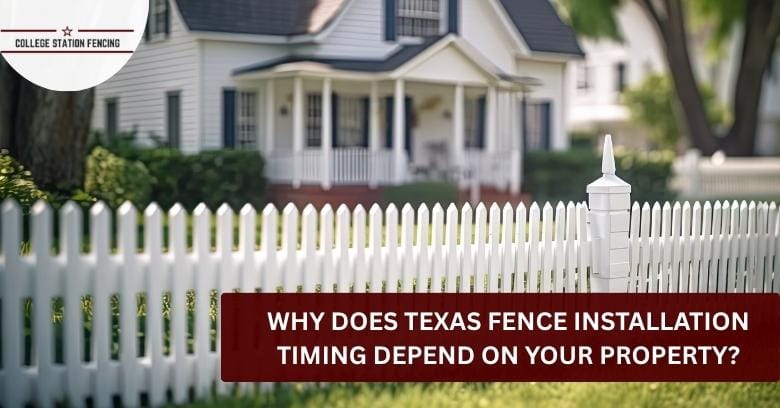
- Wood Fencing: Wood is absolutely unbeatable for its traditional beauty and warmth. It can be cut, carved, stained, or painted in almost any style or color you can imagine. Want a classic picket fence, a privacy fence, or a custom pattern? Wood is your best bet for complete personalization. This versatility makes it especially popular with homeowners looking to boost curb appeal and harmonize with historic or rustic surroundings in neighborhoods around Bryan and College Station.
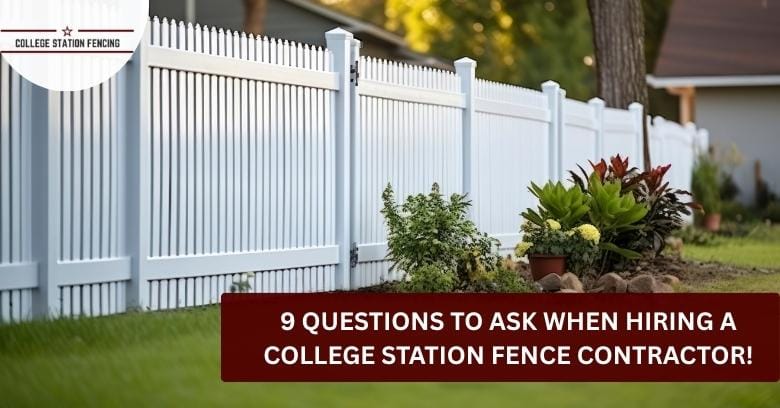
- Vinyl Fencing: Vinyl offers a sleek, modern look with clean lines and uniform color that never needs touching up. Available in a variety of styles, from simple pickets to tall, solid panels, vinyl can mimic the appearance of wood or present a distinctly contemporary vibe; however, while color options are improving, customization still lags behind wood; once you have picked your color and style, it is not easy to change.
4. Cost Considerations
Every fencing project comes with a budget and upfront costs are usually top of mind.
- Wood Fencing: Wood fences generally cost less to install initially, especially if you select common woods like pine or cedar; however, be mindful of ongoing costs, as maintenance, repairs, and eventual replacement add up over time. Investing in higher-end woods or custom designs can also increase the initial expense.
- Vinyl Fencing: Vinyl fencing typically comes with a higher initial price tag. Material costs and professional installation may run about 20 to 30% more than mid-range wood. Yet when you factor in lower maintenance and repair costs and a longer serviceable life, the lifetime cost can be much lower. Many fencing contractors in College Station and Bryan reassure clients that a vinyl fence is a solid investment that pays off in peace of mind over the years.
5. Environmental Impact
With sustainability on many homeowners' minds, understanding the eco-friendliness of each option is increasingly important.
- Wood Fencing: Wood is a renewable resource, especially when sourced from sustainable forests. Untreated wood can eventually biodegrade, making it an environmentally friendly choice in that regard; however, treated woods, stains, and paints may introduce chemicals into the environment. Proper disposal or recycling is key to reducing environmental impact.
- Vinyl Fencing: Vinyl is made from PVC, a type of plastic produced using fossil fuels. While vinyl fencing is incredibly durable and can be recycled, its production does have a higher carbon footprint. More manufacturers are now offering recyclable and eco-friendlier vinyl options, but it is important to check with your fencing contractor about the specifics.
Applications in College Station and Bryan Texas
When choosing between wood and vinyl fencing, the local landscape and community needs play a pivotal role. In College Station with its bustling college-town vibe and Bryan with its blend of historic and modern neighborhoods, both fencing types are in high demand.
- Residential Fencing: For families prioritizing safety for children and pets as well as privacy, both materials deliver. Neighborhoods in College Station often favor vinyl for its tidy look and easy upkeep, while Bryan's traditional areas may lean towards wood for its classic charm.
- Commercial and Agricultural Use: Business owners and landowners in the Brazos Valley may prefer vinyl fencing for its durability and professional appearance around schools, businesses, or recreational facilities. On the other hand, wood remains the preferred choice for ranches and larger properties where cost and repair flexibility matter.
Impact on Property Value and Curb Appeal
The right fence does more than mark property boundaries; it boosts curb appeal and property value. Both wood and vinyl can increase your home's value, but buyer preferences and current trends in College Station and Bryan Texas often dictate which is more attractive to potential buyers.
Work with a Professional Local Fence Contractor
No matter which material you choose, working with a reliable fence contractor is essential. The expertise of a local fencing contractor delivers proper installation, optimal materials, and compliance with municipal codes. Pros can help you navigate HOA requirements and recommend styles best suited for your property or neighborhood.
Conclusion
When choosing between vinyl and wood fencing, the best option will always depend on your specific needs, location, and personal preferences. In College Station and Bryan Texas, both fence types are popular, each offering unique benefits and some trade-offs. Wood provides classic beauty and flexible customization, but requires more maintenance and may have a shorter serviceable life. Meanwhile, vinyl shines in durability, ease of care, and long-term value, though it comes with a higher upfront investment and less design flexibility.
Before making your final decision, take stock of your property, lifestyle, and goals. Are you searching for a set-it-and-forget-it fence that can weather the Texas heat for decades? Or do you love the look and feel of real wood, even if it means regular maintenance? Consulting with a trusted local fence contractor can provide invaluable advice so that your new fence adds beauty, security, and value to your home or business.
Do not settle for less; choose the fence that truly fits your vision and lifestyle. If you are ready to explore your options further or start your fencing project in College Station or Bryan, now is the time to reach out to a professional fencing contractor. Your perfect fence is only a call away!
Key Takeaways
- Durability Matters: Vinyl fencing generally outlasts wood, requires less maintenance, and resists common Texas challenges like humidity, insects, and sun exposure. In College Station and Bryan, choosing vinyl means fewer repairs over time.
- Maintenance Commitment: Wood fencing offers unmatched natural beauty but demands regular upkeep including staining, painting, and occasional repairs while vinyl delivers a near maintenance-free experience.
- Customization Potential: Wood fence panels can be tailored in countless ways including paint, stain, and shape, making them ideal for homeowners seeking a specific look or to match historic properties in Bryan Texas.
- Upfront vs Long-Term Cost: While wood is typically cheaper at installation, recurring maintenance, repairs, and earlier replacement can make it more expensive in the long run. Vinyl's higher upfront cost is offset by years of minimal upkeep.
- Environmental Considerations: Wood is renewable and biodegradable, especially when responsibly sourced. Vinyl is durable and recyclable in some cases, but it has a larger initial ecological footprint.
- Property Value Enhancement: Both fence types can boost property value and make your home more appealing. In competitive College Station neighborhoods, the choice between vinyl and wood may sway discerning buyers.
- Style and Color Options: Vinyl fences come in consistent colors and modern styles, while wood allows for a rustic, classic, or custom finish suitable for older homes or rural properties.
- Climate Suitability: Texas weather can be brutal. Vinyl resists fading, warping, and heat, making it suitable for sunny College Station yards, while wood may warp and fade unless meticulously maintained.
- Installation Quality: Regardless of your chosen material, your fencing contractor's expertise can determine how well your fence stands up to time, storms, and daily use.
- Local Expertise Is Key: Always consult a local fence contractor who understands Bryan and College Station zoning, HOA guidelines, and climate nuances to get the best results for your property.
FAQs
1. What is the average serviceable life of vinyl versus wood fencing installed by a professional fence contractor?
Vinyl fencing typically lasts 20 to 30 years with minimal maintenance, whereas wood fencing averages 10 to 20 years depending on material, climate, and upkeep.
2. Which fencing material is more cost-effective for homeowners in College Station Texas?
Vinyl fencing has a higher upfront cost but is more cost-effective over time due to its low maintenance, whereas wood fencing may seem cheaper initially but has higher recurring costs.
3. Can I customize the color of my vinyl fence after installation?
Vinyl fencing comes in various factory colors, but it cannot be easily painted or stained once installed. For maximum customization, wood fencing is the preferred choice.
4. How does Texas weather affect vinyl and wood fences?
Texas heat and humidity can cause wood fences to warp, rot, or crack without regular care. On the other hand, vinyl fencing is much more resistant to sun, moisture, and pests, making it ideal for College Station and Bryan.
5. Are vinyl fences environmentally friendly?
While durable and sometimes recyclable, vinyl fencing has a higher environmental impact during production. Check with your fence contractor for recycled or eco-friendly vinyl options.
6. Which type of fencing adds more curb appeal in Bryan Texas?
Both materials enhance curb appeal, but wood's classic look is often favored for traditional homes, while vinyl's tidy appearance attracts buyers seeking modern, low-maintenance solutions.
7. Is vinyl fencing as strong as wood fencing for security purposes?
High-quality vinyl fencing provides similar strength and security as wood, especially when professionally installed by a local fence contractor.
8. How often does wood fencing need to be maintained?
Expect to stain or paint your wood fence every 2 to 3 years and perform routine inspections for damage or rot, particularly in Texas' humid conditions.
9. Can I install fencing myself or should I hire a fence contractor in College Station or Bryan?
While DIY installation is possible, hiring a local fence contractor results in proper installation, compliance with local codes, and long-term durability.
10. Are there fencing styles unique to College Station and Bryan Texas?
Yes, many local fence contractors offer designs tailored to the region's architectural styles and HOA guidelines, from classic picket fences to sleek vinyl panels, resulting in a perfect match for your property.