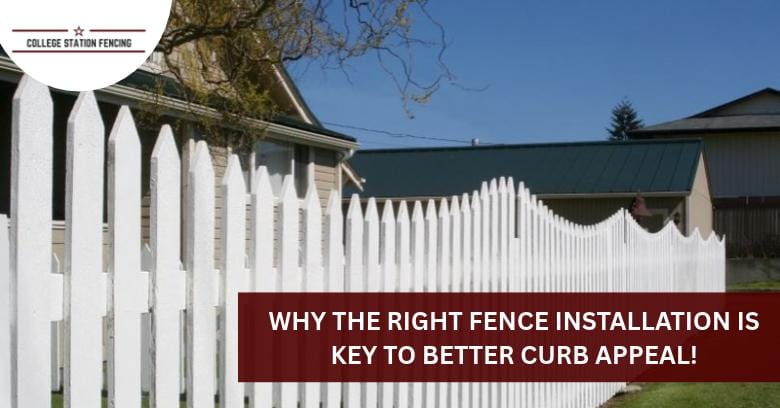
A fence is the largest single object most people see when they look at a house from the street, and it usually ages the fastest. Pickets gray out, a gate drops a half inch and stops latching, one post leans toward the driveway, and suddenly a well-kept home reads as tired. In the Brazos Valley, the problem is not neglect so much as soil. Expansive clay swells after a wet spring and shrinks hard in a drought summer, and a fence built without that in mind starts moving within a few seasons.
That is why the fence installation itself, not just the material, decides how a property looks five years in. Depth and diameter of the footing, post material, picket layout, the way a run steps down a slope: these are the details a careful fence contractor settles before the first hole is augered. Homeowners in College Station, Texas, and nearby Hearne often shop by price per linear foot and end up comparing two very different builds that happen to use the same cedar.
This article explains what curb appeal means at the property line, how local clay and heat shape the right build, which design details lift a plain privacy fence, what materials cost and how long they last, and the permitting, survey, and safety questions to answer before anyone starts digging.
What Curb Appeal Really Means at the Fence Line
Curb appeal is not decoration. It is the impression of order including straight lines, consistent spacing, clean transitions, and nothing that looks improvised. A fence either reinforces that or undermines it.
Sightlines, Scale, and the Front Yard
Height and placement control how a house reads from the street. A solid eight-foot panel pulled too far forward makes a front elevation feel walled off, while a short open run of wrought iron across the front, tied into privacy panels at the side yards, keeps the architecture visible. Corner lots add a sight-triangle rule near the intersection, so anything tall and solid in that corner can hurt visibility and approval. A fence contractor who works these neighborhoods daily will set the front return to frame the house instead of hide it.
Matching the House, Not Fighting It
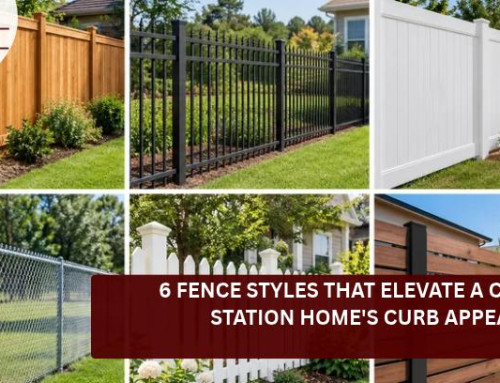
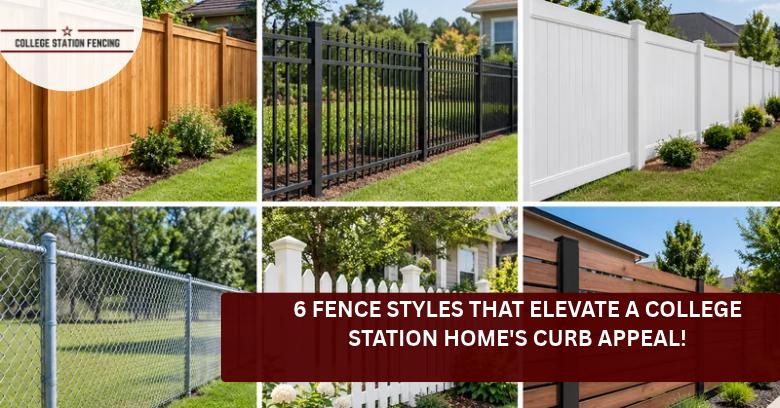
Color and cap style do most of the work. Cedar-tone semi-transparent oil stain warms up red brick; weathered gray suits lighter stone and modern elevations. Cap-and-trim detailing gives a crisp top line that disguises minor picket variation, and masonry columns every twenty feet or so tie a wood fence back to the house itself. Homeowners from Caldwell to Bryan-College Station, Texas, increasingly ask for horizontal cedar on street-facing runs because it reads contemporary, though it demands straighter lumber and tighter framing.
Brazos Valley Clay Decides How Long It Looks Good
Soil is the quiet variable in the Bryan and College Station, Texas, areas. The clay series common across Brazos County shrinks in drought and swells with rain, and that cycle heaves posts, racks gates, and opens gaps between pickets. Sandy-soil shortcuts do not transfer here.
Footings That Hold a Line Straight
Standard practice is to dig a hole about one-third of the above-grade fence height, typically 24 to 36 inches deep and 8 to 12 inches in diameter. The concrete collar should be crowned at the top so water sheds away from the post instead of pooling at the base. Clay augers easily after a wet spring and turns stubborn once summer bakes it, so timing affects both labor and cost. Any fence contractor quoting a job that skips footing depth on the proposal is leaving out the part that determines whether the run is still plumb in year six.
Why Steel Posts Have Become Near-Standard
Galvanized steel posts, commonly 2 3/8-inch outside diameter schedule 20 or 40, paired with wood rails and pickets, have become the default upgrade across the area. They don't rot at grade, and most fence contractors here prefer them because they resist clay movement better than treated pine.
- Untreated pine fences in Central Texas typically last around 7 to 12 years.
- Western Red Cedar on wood posts usually runs 12 to 20 years.
- Cedar on steel posts often passes 20 years with routine maintenance.
- A steel-post upgrade generally adds somewhere around $4 to $10 per linear foot in trade pricing.
A typical build uses posts at 6 to 8 feet on center, three 2x4 rails for a 6- or 8-foot height, 1x4 or 1x6 cedar pickets, and a 2x6 treated rot board at grade. That rot board is also the first line of defense against subterranean termites and sprinkler overspray, two of the most common failure points a fence contractor sees on service calls around Hearne, Texas, and the smaller communities north of Bryan.
Design Details That Lift a Plain Fence
Most fences are functional and forgettable. A handful of choices move a build from boundary marker to something that raises the whole elevation.
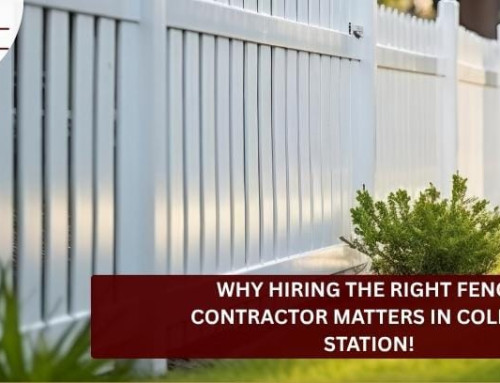
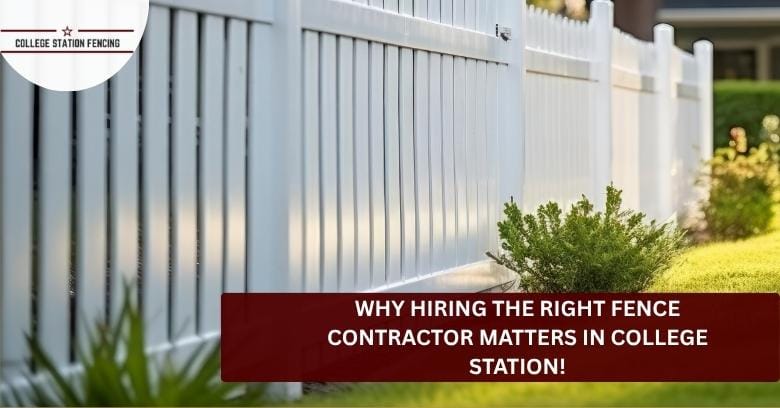
- Board-on-board - Overlapping pickets eliminate the gaps that open as wood dries and shrinks, so the privacy stays privacy and the face stays uniform.
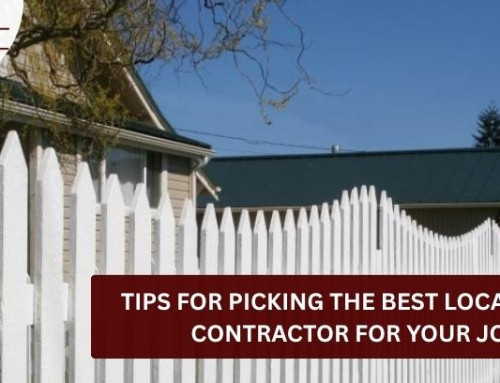
- Cap and trim - A horizontal cap-and-trim board frames the top edge, hides picket ends, and makes long runs look intentional.
- Horizontal cedar - Clean and modern, best on shorter runs and level grade where the framing can stay true.
- Masonry columns between panels - Brick or stone columns break up length and tie the fence to the house material.
- Wrought iron front sections - Ornamental iron keeps the front yard open and the landscaping visible while privacy panels handle the back.
- An arbor over the walk gate - A small structure at the entry gives the fence a focal point and makes the gate feel designed, not cut in.
Each of these adds cost in a different place including iron in material, masonry in labor, and board-on-board in picket count. A good fence installation plan puts the money where the street sees it and keeps the back runs simple.
Materials, Costs, and Realistic Expectations
Texas trade averages provide a useful baseline, though every site differs. Cedar privacy fencing generally runs $28 to $55 per linear foot installed; ornamental iron $35 to $75; vinyl $40 to $70; chain link $15 to $30. Automated gate operators are a separate line item and commonly run $3,000 to $9,000 installed nationally, depending on swing versus slide, horsepower, and access control. A typical 150 to 200-foot residential job takes one to three working days, plus concrete cure time before gates get hung.
Stain timing surprises people. New wood needs roughly three to eight weeks to dry before it will take a semi-transparent oil stain properly, and a fence contractor will usually recommend recoating south- and west-facing runs every two to four years. July and August heat above 100 degrees quickly greys unprotected cedar, and the west-facing side always fades first. Homeowners around Hearne, Texas, and Navasota, Texas, who stain on schedule routinely get years more out of the same lumber than neighbors who never get around to it.
Rules, Lines, and Safety Before Anyone Digs
Permits, Surveys, and HOA Review
Front-yard height limits, open-style requirements, and corner sight triangles vary by jurisdiction, so it's worth settling the permit question early. Neighborhoods such as Pebble Creek, Castlegate, Miramont, Edelweiss, Greens Prairie Reserve, and Southwood Valley commonly need architectural review, and stain color, height, and cap style are often dictated. Property lines are the other recurring issue and existing pins are a starting point, but a current survey is the only thing that settles a disputed line before concrete goes in. A fence contractor should also clarify which side gets the finished face and how costs split with a neighbor, because those conversations go better before the materials arrive.
Utilities and Pool Barriers
A Texas811 locate request is free, takes two business days, and isn't optional. It also doesn't cover private lines, so the homeowner must separately identify irrigation, gas lines running to a grill, and pool bonding conductors. Pool barriers have their own requirements of a minimum height of 48 inches, no gaps wider than 4 inches, a self-closing, self-latching gate with a latch about 54 inches off the ground, and no climbable horizontals on the outside face. These are safety rules first and appearance second, but they shape the design, so they belong in the first conversation with a fence contractor, not the last.
Gates, Wind, and the Maintenance Years
Gates fail before fences do. They carry moving load, they get used daily, and on student-rental blocks near Wellborn Road and Holleman, the wear is heavy enough that replacement often beats repair. Steel gate frames, heavy hinges, and a proper diagonal brace keep a gate square through clay movement. Access-controlled driveway gates add more with power at the gate, a loop or photo-eye safety device, and usually an emergency-access provision for responders.
Wind matters too. The design wind speed for this area is roughly 115 mph ultimate under current standards, and a solid 8-foot privacy fence is a sail. Experienced fence contractors don't cut corners on post spacing, footing size, or post material. Spring storms and straight-line winds drive most of the repair season across Brazos County, and drought summers drive the post heave and gate misalignment that follow. Fence installation done with that cycle in mind simply needs less attention later, whether the property sits in College Station or out toward Hearne, Texas.
Conclusion
A fence is not a background object. It sets the line your house is seen against, and quality installation keeps that line straight through clay movement, summer heat, and spring wind. Footing depth, steel posts, a rot board at grade, and a stain schedule do more for long-term curb appeal than any single showroom upgrade.
Homeowners in the College Station, Texas, area get the best result when they talk through height, style, property lines, and HOA rules with an experienced fence contractor before work begins, not after. College Station Fencing offers free estimates for fence installation and repair. Book a consultation by phone or through the online form today to get your fence build organized promptly!
Key Takeaways
- Set post holes about one-third of the fence height deep, typically 24 to 36 inches, with a crowned concrete collar that sheds water away from the post.
- Choose galvanized steel posts with cedar pickets for a fence that stays plumb in expansive clay and often lasts more than 20 years.
- Spend design money where the street sees it in board-on-board, cap-and-trim, masonry columns, or an open iron front section.
- Wait three to eight weeks before staining new wood, then recoat sun-exposed runs every two to four years.
- File a free Texas811 locate request two business days ahead, and mark private irrigation and gas lines yourself.
Frequently Asked Questions
Do I need a permit for a fence?
It depends on your jurisdiction, the fence's height, and its location on the lot, so confirm before you order materials. Front-yard height limits, open-style requirements, and corner sight triangle rules are the most common restrictions, and HOA architectural review may apply on top of city rules.
Where is my property line, and do I need a survey?
Existing iron pins are a reasonable starting point, but a current survey is the only reliable answer if a line is disputed. Resolving it before you pour concrete is far cheaper than moving a finished fence later.
Which side gets the good face?
Traditionally, the finished face faces the neighbor or the street, though HOA rules sometimes require it. Board-on-board solves the argument because both sides look the same.
Can you follow my slope?
Yes, by stepping the panels down in increments or racking the framing to follow grade. Stepping suits board fences with a cap; racking works better on gentle, consistent slopes.
Will an 8-foot privacy fence hold up in our wind and clay?
Yes, if the posts and footings are sized for the load it carries. An 8-foot solid fence acts like a sail against the roughly 115 mph ultimate design wind speed for this area, so steel posts, closer spacing, and deeper footings matter.
How soon can I stain a new cedar fence?
Wait roughly three to eight weeks so the wood dries enough to absorb stain. A semi-transparent oil stain in cedar-tone or weathered gray can be selected to complement your brick or stone.
Can an automatic gate operator work during a power outage?
Most operators can through a battery backup or a manual release that lets you push the gate open. Confirm which option your system includes, and confirm that emergency access is available for responders.
How long does a typical fence job take?
A standard 150 to 200-foot residential job usually takes one to three working days. Gates are hung after the post concrete cures, so allow extra time before the fence is fully usable.