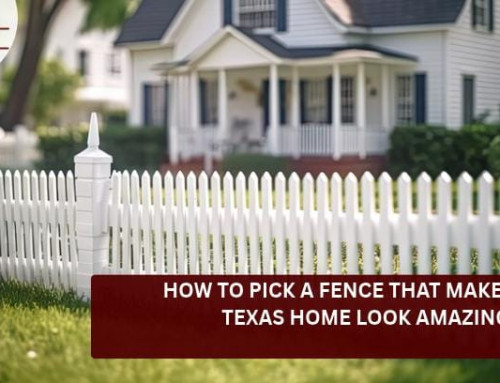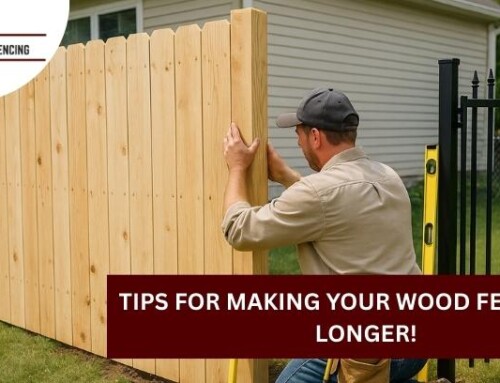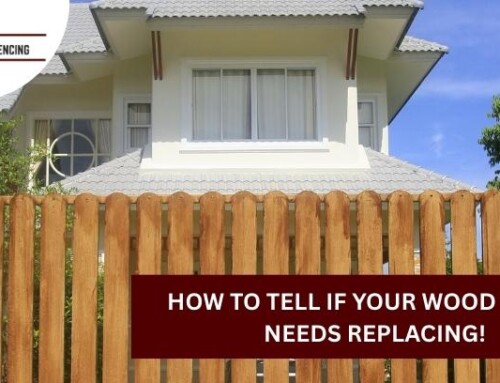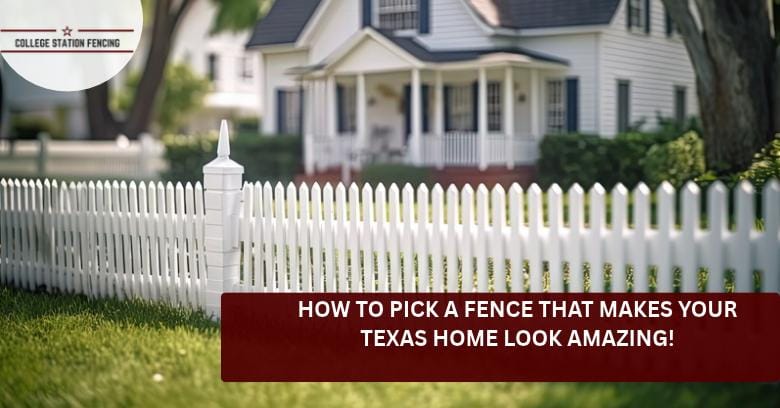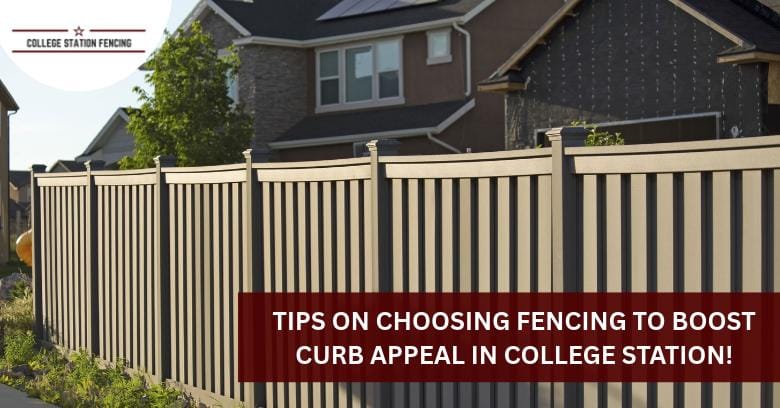
Few things change how a house looks from the street as much as a fence. A great fence installation frames the yard, sets the color line along the sidewalk, and either finishes the property or quietly drags it down. A sagging gate, a run of gray pickets leaning three degrees off plumb, or a patchwork of replacement boards in three different shades tells every passerby the same story. Homeowners often spend money on paint, landscaping, and lighting while ignoring the one element that runs the full width of the lot until it fails.
Timing matters here too. Brazos County soil swells and shrinks with every drought-rain cycle, so a fence that stood straight two summers ago may be pushing posts out of line right now. Spring squall lines and remnants of Gulf storms add their own damage, and 100°F-plus weather from early summer into fall dries clay into cracks that let posts heave. Choosing the right materials and build details up front is what separates a fence that still looks sharp in year ten from one that needs rescue in year four. That is a conversation worth having with an experienced fence contractor before you order anything.
This article walks through what drives curb appeal in College Station, Texas: how soil and post selection decide whether a fence stays straight, which materials suit the climate, the design upgrades that read as quality from the curb, and how gates as well as access control fit in. There are the local rules, neighbor questions, and budget ranges homeowners should understand before work begins.
Start With the Ground, Not the Pickets
Why Local Clay Moves Fences
Much of Brazos County sits on expansive Houston Black-type clay. It expands when saturated and contracts hard in drought, and that movement, not rot alone, is the leading cause of leaning posts and racked gates across the area. A fence can have flawless pickets and still look crooked if the posts were undersized or set shallow. Homeowners from Bryan and College Station to Caldwell, Texas, see the same pattern: a line that looked perfect at handover drifts after the first full dry-wet cycle.
Depth and spacing are the defense. Posts generally go 24 to 36 inches deep, about a third of the post length, spaced 6 to 8 feet apart, with 1 to 2 bags of 60-pound concrete per hole. A fence contractor who skips depth to save time is building a problem into the first year.
Post Choices That Hold a Line
The standard Texas build-up for wood privacy is 2-3/8-inch OD galvanized steel posts or Postmaster-style posts carrying cedar pickets. All-wood 4x4 posts rot at grade first, and that single weak point takes the rest of the panel down with it. Ask any fence contractor to spell out post type, diameter, and setting depth in writing. With steel posts underneath, cedar commonly lasts 15 to 20 years here, which changes the upgrade cost math considerably.
Materials That Look Right From the Street
Cedar Privacy Fencing
Cedar is the default for residential privacy work in College Station, Texas, and picket grade shows from the sidewalk. The #1 grade has few or no knots and weathers evenly; #2 is more knotty and cheaper. The standard picket is 5/8 inch by 5-1/2 inches by 6 feet with a dog-ear top. Board-on-board layouts and cap-and-trim detailing read immediately as upgrades because the eye catches the shadow lines and the clean top edge.
Ornamental Steel and Aluminum
Where the view matters more than screening, ornamental steel or aluminum panels in the Ameristar or Echelon style preserve sightlines into a landscaped yard. Powder-coated galvanized steel stands up to Gulf humidity better than painted finishes. These panels pair well with masonry columns, and the mixed iron-and-brick look is a strong front-yard choice on larger lots around Pebble Creek or along the Rock Prairie Road corridor.
Vinyl, Chain Link, and Mixed Runs
Vinyl offers a clean white or tan line with no staining cycle. Chain link is the value option and earns its place on back and side runs, especially on acreage near Caldwell, Texas, or nearby Navasota, where fencing hundreds of feet in cedar is not realistic. A common strategy is to mix ornamental or cedar with trim across the front, chain link or wire where it will not be seen. A good fence contractor will plan that transition so it looks intentional, not like you ran out of budget.
Design Details That Lift Curb Appeal
Material choice sets the baseline. Details are what make a fence look custom. The highest-return upgrades during fence installation include:
- A cedar rot board or kickboard along the bottom, which keeps pickets off wet soil and gives the run a finished baseline.
- A 2x4 top cap with 1x4 trim, which hides picket tops and creates a single straight sightline down the whole fence.
- Board-on-board picket layout for depth, shadow, and no daylight gaps as the wood shrinks.
- Hidden or color-matched fasteners instead of visible screw heads marching across the face.
- Horizontal slat sections near the entry for a modern contrast against a traditional vertical run.
- Masonry or stone columns at corners and gate posts to tie the fence to the home's brick.
- Gate hardware in one consistent finish including hinges, latch, drop rod, and handle all matching.
Another detail worth deciding early is which side faces the street. The smooth side with pickets out and rails hidden is the stronger curb-appeal choice and is often what neighborhood standards expect. Talk it over with your fence contractor before the posts go in, because changing it later means rebuilding.
Gates, Driveways, and Access Control
Gates fail before fences do, so they deserve attention. Walk gates typically run 36 to 48 inches wide, while driveway gates run 10 to 16 feet and are often split into two leaves to keep each one light enough to stay square. Steel-framed gates with proper diagonal bracing hold plumb in moving clay far better than a wood frame alone.
For driveway entries, operator packages nationally tend to land in the $2,500 to $7,500 range installed, and the variables are straightforward including gate weight, slide versus swing, trenched power versus a solar panel, and whether you add intercom or keypad entry. Safety devices such as loop detectors or photo-eyes should be part of the package, not an afterthought. Battery backup matters in a region that loses power to summer storms, so ask how the gate opens when the grid is down.
If a pool sits inside the fence line, the barrier falls under Texas Health and Safety Code Chapter 757 and IRC pool rules requiring a minimum 48-inch height, gaps under 4 inches, and a self-closing, self-latching gate that swings outward with the latch mounted high, typically around 54 inches. Any fence installation around a pool should be scoped against those requirements from the start.
Rules, Neighbors, and Property Lines
Permits, HOAs, and Utilities
The City of College Station regulates fence height and front-yard fencing through its Unified Development Ordinance, and corner lots carry sight-visibility triangles that limit what can be built near the intersection. Limits change, so confirm current requirements with Planning and Development Services before ordering materials. Inside city limits and out in the Brazos County ETJ are different situations, and Bryan has its own ordinances. HOA architectural review is routine in Castlegate II, Edelweiss Gardens, Williams Creek, Greens Prairie Reserve, and Southwood Valley, and approval usually needs to be in hand before a fence contractor starts digging.
Before any post hole, call Texas811. The service is free and requires two business days' notice. Experienced fence contractors treat that call as standard on every job, whether the project is a city lot off Wellborn Road or acreage outside Caldwell, Texas.
Property Lines and Shared Costs
Two questions come up on nearly every job: who owns the line fence, and how do neighbors split the cost? There is no single answer, so handle it before work starts with a written agreement on share, materials, and which side faces where. If the pins are missing or the old fence wandered, a survey is money well spent. Rebuilding on the wrong line is the most expensive fencing mistake, and no fence contractor can undo it after the concrete sets.
Budget, Schedule, and Finishing
Installed market varies across the trade and give a useful starting point: pressure-treated pine privacy roughly $18 to $30 per linear foot, cedar $25 to $45, vinyl $30 to $60, ornamental iron or aluminum $35 to $70, and chain link $12 to $25. Those are approximate and shift with terrain, demolition, gate count, and column work. A typical 150 to 200-foot residential run is often a one to three-day job, though summer heat pushes crews to early-morning starts, and game-day weekends near campus affect access and scheduling.
Finishing is the last curb-appeal decision. New cedar should dry about 30 to 90 days before you apply an oil-based, semi-transparent stain, and under Texas UV, most homeowners re-coat every two to three years. Stains such as Ready Seal or TWP are common choices in this category. A stained fence with a top cap and a rot board looks like a deliberate part of the house; raw gray cedar with mismatched boards does not.
Finally, treat the estimate as a design conversation. Homeowners from College Station and Bryan to Caldwell, Hearne, and Navasota use a free estimate and consultation to compare layouts, picket grades, and gate options side by side. The right fence installation plan comes from a fence contractor who asks about soil, drainage, pets, pools, and sightlines before quoting a number.
Wrapping Up
A fence is the longest visible line on most properties, so the choices behind it matter. Steel or Postmaster-style posts set deep in clay keep the run straight. Cedar grade, a rot board, a top cap, and matching gate hardware are what make it look finished. Local rules, HOA review, and a Texas811 call come before the first hole is dug.
Homeowners in the College Station, Texas, area get the best results when those decisions are made before materials are ordered, not after. Talk through layout, materials, and gates with a fence contractor while the project is still on paper. Start now: schedule a consultation and request a free estimate for your fence installation or repair!
Key Takeaways
- Expansive clay in Brazos County moves fences, so post type and a 24 to 36-inch setting depth matter more than picket choice.
- Steel or Postmaster-style posts under cedar pickets commonly extend fence life to roughly 15 to 20 years here.
- Curb-appeal upgrades that pay off visually include a rot board, a 2x4 top cap with trim, board-on-board pickets, and matched gate hardware.
- Confirm current height and front-yard rules with City of College Station Planning and Development Services, and get HOA approval before work begins.
- Call Texas811 at least two business days before any post hole is dug, on city lots and acreage alike.
Frequently Asked Questions
Which side of the fence should face the street?
The smooth side, with pickets out and rails hidden, should face the street or your neighbor. It looks better from the curb and is often what neighborhood standards expect, so confirm it before posts are set.
How long should I wait before staining a new cedar fence?
Wait roughly 30 to 90 days so the cedar dries enough to absorb an oil-based semi-transparent stain. Under the Texas sun, plan on re-coating every two to three years to hold the color.
Do I need a survey before building?
You need one if the property pins are missing or the old fence line looks questionable. Building on the wrong line is costly to correct, and a survey removes the guesswork before you pour concrete.
Who pays for a fence on the property line?
There is no automatic split, so neighbors should agree in writing on cost, materials, and orientation before work starts. Many homeowners share the expense when both sides benefit from the new fence.
Will my driveway gate open during a power outage?
It will if the operator has battery backup or a solar package, and most systems also allow manual release. Ask for backup power to be included in the quote rather than added later.
How long does a typical fence take to install?
A standard 150 to 200-foot residential run usually takes one to three days. Gate work, demolition, masonry columns, and summer heat schedules can extend that timeline.
What fence height do I need around a pool?
Pool barriers in Texas generally require a minimum height of 48 inches, gaps under 4 inches, and a self-closing, self-latching gate that swings outward. Verify the current requirements for your address before building.
Is chain link a reasonable choice for curb appeal?
It is, when used where it will not be seen, such as side and back runs or acreage fencing. Many homeowners pair a cedar or ornamental front section with chain link elsewhere to control cost.