Choosing the right fence for your dog is one of the most important decisions you can make as a pet owner. Your furry friend brings joy and companionship, but that responsibility includes seeing to their well-being and safety. Whether you have just welcomed a new puppy to the family or are looking to upgrade your backyard, finding the perfect fencing solution requires thoughtful consideration. The ideal fence not only keeps your dog secure but also gives them the freedom to play, explore, and relax outdoors, all while offering peace of mind for you.
Selecting the right fence is not a one-size-fits-all process. Every dog has unique needs based on breed, size, energy level, and temperament. College Station Texas and nearby communities like Navasota present their own challenges and opportunities when it comes to fencing, thanks to the region's climate, soil conditions, and the local wildlife. Add to this your personal preferences, your yard's layout, and city regulations and the decision can feel overwhelming. Fortunately, a professional fence contractor is equipped to guide you through these choices so that your fencing is secure, aesthetically pleasing, and perfectly serviced to meet the needs of both you and your dog.
In this comprehensive guide, you will learn how to select fencing that makes life easier and safer for your pet. We will discuss different types of fences, materials, height considerations, and applications suited for families across College Station and Navasota, Texas. Whether you are debating between wood fencing or chain link, seeking tips for escape-prone pups, or balancing budget with durability, this article will provide the answers you need. In addition to exploring the pros and cons of various options, we will highlight the importance of hiring a reliable fence contractor, an expert who can turn your vision into reality while making fencing a hassle-free experience.
So, if you want to enjoy outdoor time with your dog without worry, this article will provide you with the best strategies, local tips, and actionable insights to pick the ideal fence that keeps your pup safe and happy for years to come.
The Importance of Choosing the Right Fence for Your Dog
When it comes to your dog's safety, a quality fence offers more than just a physical barrier. It creates a sanctuary, an oasis where your pet can exercise and play, shielded from hazards like traffic or wild animals. The right fence design serves as the first line of defense against common dangers faced by pet owners in College Station and Navasota. With the help of a knowledgeable fence contractor, you can create a boundary that suits your landscape, home, and dog's needs.
Safety First: Protecting Your Pup
Safety is the top concern for every pet parent. Dogs are curious by nature and fences keep them away from hazards such as busy streets, toxic plants, and potentially dangerous encounters with other animals. Fencing also helps prevent your dog from getting lost, a significant concern in neighborhoods near open fields or wooded areas common in Texas.
Giving Your Dog Freedom
A fence gives your dog and you the freedom to relax outdoors. Off-leash playtime is essential for their physical and mental health. Instead of constant supervision or relying on leashes, a secure yard provides ample room for your pet to roam and expend energy. This benefit is especially important in suburban College Station and rural Navasota, where yards are spacious and close to nature.
Neighborhood Harmony
Quality fencing benefits not just your family, but your entire neighborhood. It prevents your pup from running into neighbors' yards, pursuing delivery trucks, or getting tangled up with other local pets. Good fencing helps maintain harmony among neighbors, while privacy fences can offer an added sense of seclusion for both you and your dog.
Value and Curb Appeal
When designed and installed correctly by a professional fence contractor, a well-chosen fence enhances your home's curb appeal and can even increase property value. Fencing comes in a variety of materials and styles including wood, vinyl, chain link, and metal, each with its unique charm and maintenance requirements. By balancing function with form, your fence becomes a stylish addition that protects and beautifies your property all at once.
Essential Considerations When Selecting Dog-Safe Fencing
Selecting the right fencing involves more than just picking the first option you see. Every pet and property has individual needs that should be carefully weighed.
1. Dog Size and Breed
Larger breeds may require taller or reinforced fences, while small or agile dogs can often slip through gaps or easily jump shorter barriers. Ask your fence contractor about the best fence heights and materials for your specific breed. For active jumpers, a minimum height of 6 feet is often recommended to deter escape attempts.
2. Temperament and Energy Level
Does your dog love to dig, climb, or chew? Each of these behaviors requires specific fencing solutions. For diggers, consider installing a fence with buried panels or a barrier below ground level. For climbers, a fence without footholds, like a smooth vinyl or metal option, is preferable. Chewers often benefit from non-wood materials.
3. Yard Layout and Space
The size and layout of your yard, including slopes and landscaping features, play a significant role in your fencing decision. Professional fence contractors in College Station and Navasota can evaluate your property and recommend solutions tailored to your land's unique shape and features.
4. Local Climate and Maintenance
Texas weather characterized by hot summers, humidity, and occasional heavy rainfall can impact how well different fencing materials hold up. While wood offers classic appeal, it may require more maintenance to withstand the climate, unlike metal or vinyl. Your local fence contractor will advise on solutions that minimize long-term upkeep while providing durability.
5. Local Regulations
Cities and HOAs in College Station and Navasota may have specific guidelines regarding fence height, style, and placement. Always ask your fence contractor to verify that your new fence complies with local codes to avoid costly rework or fines.
Popular Types of Dog-Safe Fencing
Now that we have explored the key considerations, let's delve deeper into the fence options most popular among pet owners.
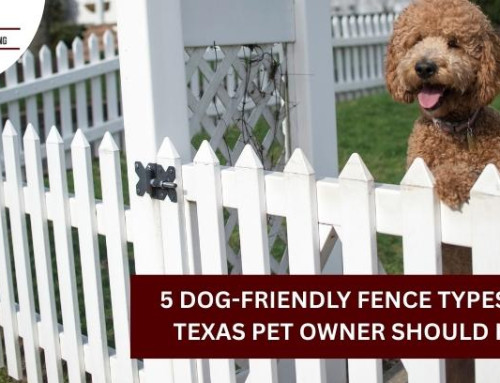
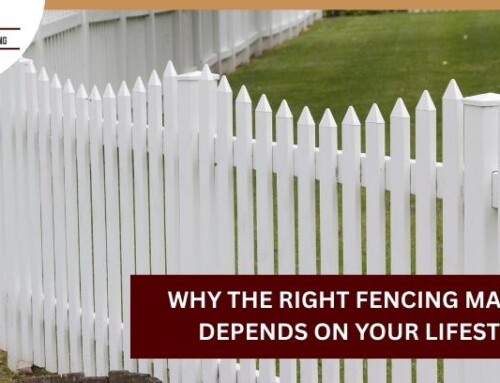
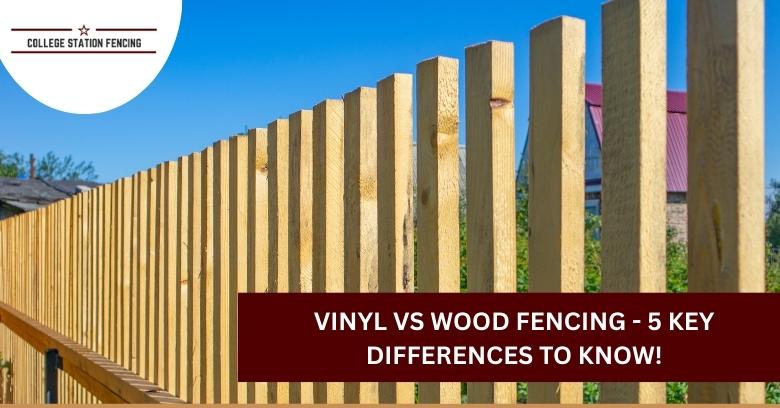
Wood Fencing
Pros:
- Offers privacy and a classic look.
- Can be customized in height and style.
- Sturdy enough for large and energetic dogs.
Cons:
- Requires regular maintenance to resist moisture and termites.
- Dogs that chew may damage wood, leading to repairs.
Applications:
Wood fencing is well-suited for family homes in College Station neighborhoods seeking both security and curb appeal. A professional fence contractor can help you choose the right wood and finish for Texas weather conditions.
Chain Link Fencing
Pros:
- Durable and cost-effective.
- Allows visibility, keeping dogs engaged with their surroundings.
- Low-maintenance; withstands heavy rain and sun.
Cons:
- Offers little privacy.
- Not the most stylish solution.
Applications:
Chain link fencing is ideal for rural areas around Navasota Texas, where large lots and open spaces are common. Add privacy slats or plant shrubs along the fence line to enhance appearance.
Vinyl Fencing
Pros:
- Highly durable; resists weather and pests.
- Low-maintenance; will not rot, warp, or fade easily.
- Smooth surfaces discourage climbing.
Cons:
- Can be pricier than chain link or wood.
- Repairing vinyl may require specialized help.
Applications:
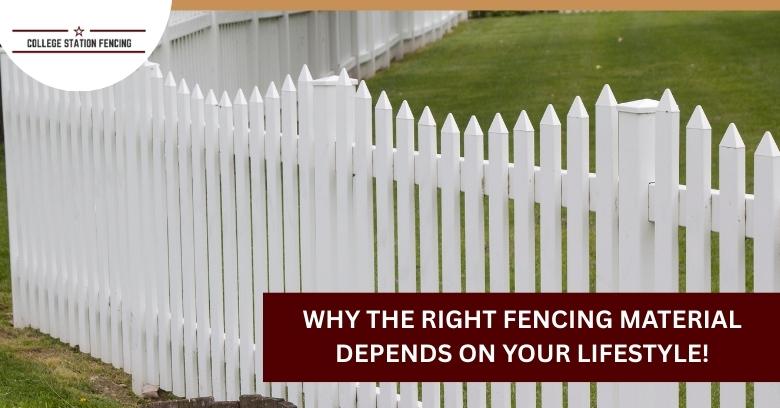
Vinyl fencing is a good choice for modern homes in College Station, offering a clean, contemporary look. It is an excellent investment for families wanting a long-lasting, safe enclosure.
Metal Fencing of Aluminum or Steel
Pros:
- Strong and visually appealing.
- Long-lasting with minimal maintenance.
- Can be designed with narrow pickets to prevent escapes.
Cons:
- Gaps between bars may be too wide for small dogs.
- Typically offers less privacy.
Applications:
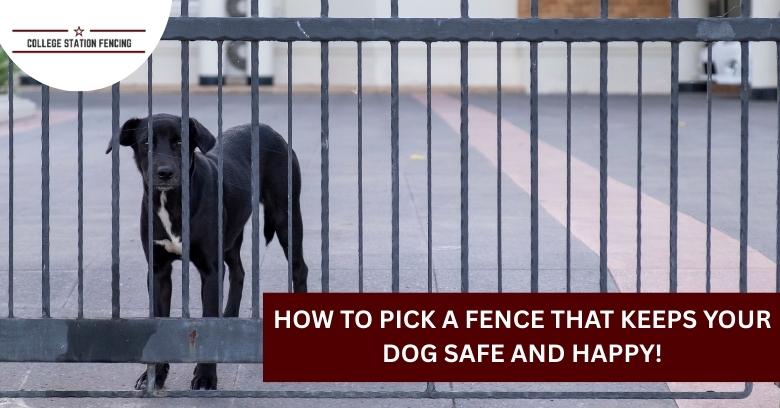
Perfect for front yards or decorative backyard fences, metal fencing provides durability and security. It is a great solution in communities with aesthetic requirements.
Invisible/Electric Fencing
Pros:
- Virtually invisible; preserves views and landscapes.
- Suitable for irregularly shaped yards.
Cons:
- Requires ongoing training and supervision.
- Does not keep other animals out and lacks physical security.
Applications:
Consider invisible fences as a supplementary solution for responsible, well-trained dogs, never as your primary containment strategy.
How a Professional Fence Contractor Streamlines Your Project
Collaborating with a reliable fence contractor in College Station or Navasota Texas is a wise move for any pet owner. Professionals bring expertise in planning, sourcing materials, obtaining permits, and proper installation, saving you time and stress while seeing that the fence is built to last.
- Expert Recommendations: A skilled fence contractor listens to your unique concerns and recommends fencing solutions tailored specifically for your dog's habits, your property, and your budget.
- Professional Installation: DIY fencing is possible, but often leads to issues such as uneven panels, weak posts, or gaps that determined dogs can exploit. Hiring a contractor assures that your fence is installed correctly and securely, minimizing the need for repairs down the road.
- Maintenance and Support: The right contractor offers support for future needs, from quick repairs to routine maintenance, essential for keeping your dog's enclosure safe year after year.
Additional Tips for Dog-Proof Fencing
- Secure Gates: Be certain that all gates have reliable latches and if possible, are self-closing. Adding double gates or child-proof mechanisms further prevents escapes.
- Add Visual Barriers: For excitable dogs, a privacy fence or landscaping along your fencing reduces barking at passersby or distractions.
- Prevent Digging: Bury chicken wire or use concrete footers at the base of your fence if your dog loves to dig.
- Consider Decorative Elements: Trellises, through-the-fence windows, or playful cutouts allow your dog to observe their surroundings without attempting an escape.
- Plan for Shade: Especially in Texas heat, make sure your backyard includes shaded areas and access to water.
Conclusion
Finding the perfect fencing solution for your dog is not just about picking a physical barrier; it is about creating a safe, enjoyable space that supports your pet's health and happiness. Whether you live in bustling College Station Texas or the quieter stretches of Navasota Texas, working with a professional fence contractor makes sure that the right type of fencing is chosen, installed, and maintained to perfection.
Remember, the choices you make today will have a direct impact on your dog's security, your peace of mind, and even your home's value. By considering your pet's needs, your property, and your community's requirements, you can confidently choose a fence that keeps your dog safe, happy, and active while enhancing the overall beauty and functionality of your outdoor space.
If you are ready to transform your yard into a pet-friendly haven, do not hesitate to reach out to a trusted local fence contractor. Let their expertise turn your vision into reality, making outdoor time stress-free for you and a pure joy for your furry companion!
Key Takeaways
- Evaluate Your Dog's Needs: Consider your dog's breed, size, behavior, and energy level before choosing a fence. Energetic, agile, or escape-prone pets may need taller or reinforced barriers.
- Select the Right Material: From classic wood and durable vinyl to sturdy metal and practical chain link, pick a fencing material that matches your dog's needs and your home's style.
- Prioritize Professional Installation: Partnering with a fence contractor in College Station or Navasota Texas means your fence is safe, secure, and built to last, even in Texas weather.
- Plan for Digging and Chewing: If your dog likes to dig, select fences with buried panels or ground-level barriers. For chewers, materials like metal or vinyl are more resistant than wood.
- Factor in Yard Layout and Climate: Tailor your fence design to your property's unique features and the local weather for maximum durability and convenience.
- Observe Local Laws and Regulations: Always verify fence height, style, and placement with city or HOA guidelines to prevent costly compliance issues or rework.
- Invest in Secure Gates: Use self-closing, strong latch mechanisms to keep your dog safely within your yard. Consider double gates for added escape prevention.
- Include Visual Barriers for Excitability: Privacy fencing or strategic landscaping can reduce barking and anxiety for easily excited dogs by blocking outside distractions.
- Maintain Your Fence Regularly: Schedule inspections and maintenance with your fence contractor to keep the fence in top shape and your pet secure year-round.
- Design for Comfort: Make sure your fenced yard has shaded spots and access to fresh water, especially important during hot Texas summers.
FAQs
1. What is the safest type of fence for dogs in College Station Texas?
The safest type of fence for dogs depends on their size, breed, and habits. Generally, a 6-foot wood or vinyl privacy fence installed by a professional fence contractor offers excellent security and durability for most dogs in College Station Texas.
2. Can a fence contractor help me pick the right fencing material for my dog?
Absolutely. A skilled fence contractor will evaluate your needs and recommend the best fencing material, be it wood, chain link, vinyl, or metal, based on your dog, property, and budget.
3. How tall should my fence be to prevent my dog from escaping?
Most medium to large dogs require a fence at least 6 feet tall. Smaller breeds may be contained with a 4-foot fence, but always consult with your fence contractor so that your fence is tall enough for your particular pet.
4. Is vinyl fencing a good option for pet owners?
Yes, vinyl fencing is durable, weather-resistant, and requires minimal maintenance. Its smooth surface discourages climbing and chewing, making it a strong option for pet owners in College Station and Navasota Texas.
5. What can I do to stop my dog from digging under the fence?
Install a base barrier such as buried panels, chicken wire, or concrete footers. Discuss your dog's digging behavior with your fence contractor to determine the best anti-digging solutions.
6. Will fencing increase my property value?
A well-installed fence from a professional fence contractor often boosts curb appeal and property value, especially in areas like College Station Texas where pet ownership is common.
7. Should I choose a privacy fence or a see-through fence for my dog?
Privacy fences reduce external distractions, which can help calm excitable or barking dogs. See-through options like chain link keep dogs engaged with their surroundings. Your fence contractor can help you choose based on your dog's personality.
8. Is a chain link fence suitable for all dogs?
Chain link is sturdy and low-maintenance, but small breeds may slip through or climb over. Adding privacy slats or combining chain link with other landscaping can improve security and aesthetics.
9. How can I keep my dog from climbing the fence?
Choose fences with smooth surfaces, avoid horizontal rails, and consider angled toppers. Professional fence contractors in College Station and Navasota can recommend features to deter climbing.
10. Do I need a permit to build a fence in College Station or Navasota Texas?
Most likely, yes. Many localities require permits or have specific fence regulations. Your fence contractor will be familiar with these rules and can handle the permitting process on your behalf.