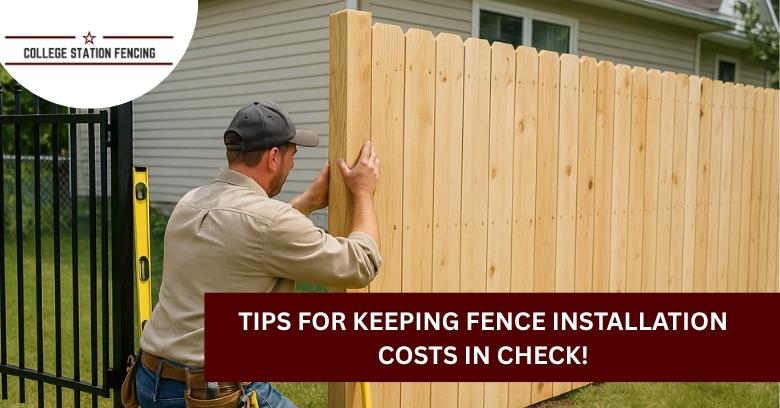
When it comes to enhancing the privacy, security, and curb appeal of your property, hiring a trusted fence contractor is a popular choice among homeowners and businesses alike. Whether you live in College Station Texas or neighboring Bryan, installing a fence is not just about drawing boundaries; it is an investment that can add value and character to your space. Of course, if you are not careful, the cost of fence installation can quickly escalate, turning an exciting project into a financial headache.
So, why do fence installation costs often spiral? And what can you do to make sure your fencing project remains within budget without compromising on quality? That is what we are looking at today. Navigating the fencing world can seem overwhelming, with so many materials, designs, and local contractors to consider. From wood classics to sturdy vinyl and modern metal, each option has its own pricing, pros, and cons. Beyond the material, many homeowners in College Station and Bryan discover that costs can also be influenced by labor rates, property terrain, permit requirements, and even local weather conditions.
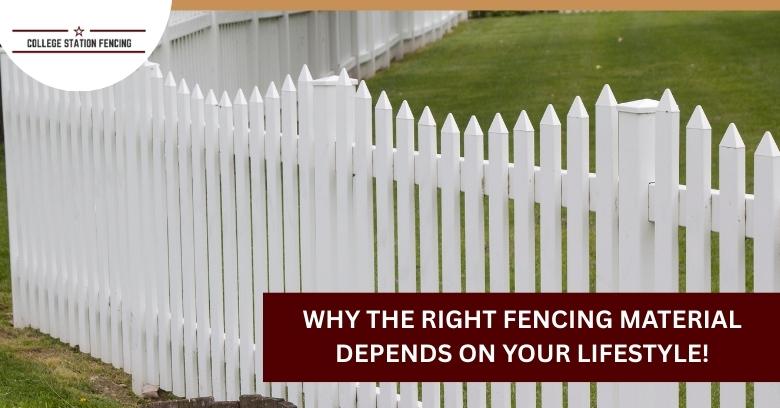
But here is the good news - with some preparation, a bit of research, and insight into the local fencing market, you can confidently approach your fence contractor and secure the fence of your dreams without breaking the bank. Whether you are interested in a charming picket fence for your front yard, a sturdy privacy fence to keep prying eyes at bay, or a practical chain-link solution for your business, there are smart strategies to keep your project affordable and stress-free.
In this comprehensive guide, we will walk you through everything you need to know about keeping fence installation costs in check, from choosing the right fence contractor in College Station Texas to understanding the benefits of different fencing materials, and even tips on negotiating and planning ahead. By the end, you will have a toolbox of actionable advice to make sure your next fencing project delivers maximum value on every dollar spent. Let's get started!
Understanding Fence Installation Costs
Before diving headfirst into your fencing project, it helps to understand what really goes into fence installation costs. The total price tag can be broken down into several components: materials, labor, permits, site preparation, and any add-ons or custom features you may desire. Each plays a vital role in determining your final bill.
1. Materials Matter
Choosing the right fencing material is often the biggest factor affecting cost. Here is a quick overview:
- Wood Fencing: A popular, timeless choice that is versatile and relatively affordable upfront. Wood does require regular maintenance of staining or painting, which can add to long-term expenses.
- Vinyl Fencing: Known for their durability and low maintenance, vinyl fences may have a higher initial cost, but thanks to their longevity, they pay for themselves over time.
- Chain-Link Fencing: Often the most budget-friendly choice, ideal for larger properties or commercial spaces. While practical, it offers less privacy and is considered less attractive by some.
- Metal Fencing - Aluminum, Steel, Wrought Iron: These fences offer strength and security. They tend to be more expensive but are favored for their durability and aesthetic appeal.
- Composite Fencing: Combining wood fibers and plastic, composite fences offer a stylish, maintenance-lite alternative, though at a premium.
When consulting with a fence contractor in College Station Texas, they will help you weigh these options, considering both cost and suitability for places like Bryan, where local climates and soil types may affect your decision.
2. Labor and Site Preparation
The expertise of your fence contractor is essential, but so is the effort involved in site prep. Rocky soil, uneven ground, existing landscaping, or the need to remove old fences can drive up labor costs. Contractors typically charge a per-linear-foot rate that includes digging, setting posts, and assembling your chosen fencing material.
3. Permits, Local Codes, and HOA Guidelines
In College Station and Bryan, fence installations can require permits or have to adhere to specific city codes or homeowners' association (HOA) regulations. Failing to secure the right paperwork upfront may result in costly do-overs or even fines. A local fence contractor will usually handle this for you, but permit fees and compliance costs should be part of your budget.
4. Additional Features and Customization
Desire custom gates, decorative post caps, or upgraded hardware? These can quickly increase the project's scope and cost. While such features add to your property's character, be vigilant about how much these extras inflate the final cost.
Tips for Keeping Fence Installation Costs in Check
Now you know what goes into the total expense, let's focus on actionable tips for managing and reducing costs without compromising on quality. These strategies are especially valuable whether you are hiring a fence contractor in College Station or Bryan.
1. Set a Realistic Budget and Stick to It
Before contacting contractors, decide on a maximum amount you are willing and able to spend. Factor in not just materials and labor, but also permits, maintenance, and any unexpected issues. Sharing your budget up front with a fence contractor helps guide their recommendations in line with your expectations.
2. Get Multiple Quotes
Do not settle for the first quote you receive. Reach out to at least three respected fence contractors from College Station and Bryan. Compare their offers, paying attention to what is included such as material type, total linear footage, permits, debris removal, and warranty terms.
3. Plan for the Off-Season
Fence contractors are busiest in spring and summer. Scheduling your installation for the colder months, when demand is lower, can sometimes unlock discounts or priority scheduling.
4. Choose Materials Wisely
Think beyond just the initial price tag. While wood may seem affordable, the need for frequent sealing or replacing can outweigh those savings over time. Vinyl and composite fencing, while pricier upfront, require less maintenance and last longer. Discuss pros and cons openly with your contractor to find the best long-term value.
5. DIY Where Possible
If you are handy, consider completing some tasks yourself such as demolition of an old fence, minor site clearing, or post-painting before the professional installation. This can reduce labor charges without risking the overall quality of the project.
6. Avoid Over-Customization
While decorative gates and premium hardware are appealing, they can inflate costs rapidly. Stick to standard designs and only add upgrades that significantly improve function or resale value.
7. Be Mindful of Property Lines
One of the most common and expensive mistakes is installing a fence over a neighbor's property line. Secure a recent property survey before starting to avoid disputes and potential rework.
8. Consider Fence Height and Layout
Taller fences or complex layouts with lots of corners and gates require more materials and labor. Limit fence height to what is needed for privacy as well as security and design the simplest layout that meets your goals.
9. Check for Local Rebates or Incentives
Some local governments or utilities in College Station and Bryan may offer incentives for installing certain types of fencing, such as wildlife-friendly or drought-resistant options. Check for potential savings before finalizing your plans.
10. Maintain Your Fence
Protect your investment by maintaining your fence according to the manufacturer's recommendations. Regular cleaning, treating wood, and prompt repair of minor damage will extend its lifespan and delay costly replacements.
Working with a Fence Contractor in College Station and Bryan Texas
The right fence contractor can make or break your project. Here is what to look for:
- Local Experience: Choose a fence contractor familiar with College Station, Bryan, and the broader Texas region. They will know the necessary permits, soil types, and local regulations.
- References and Reviews: Look for strong recommendations from past clients. Online platforms like Google, Yelp, and local business directories are ideal for this.
- Transparency: A reliable fencing contractor will provide a clearly itemized estimate, explain material choices, and answer your questions openly.
- Warranty: Check if the contractor offers a workmanship guarantee and clarify what is covered by the warranty for both installation and materials.
Pros and Cons of Popular Fencing Types
Each fencing type comes with its own strengths and drawbacks. Here's a closer look:
Wood
- Pros: Offers classic appeal, customizable height/design, affordable to install.
- Cons: Requires regular maintenance and can deteriorate faster in humid Texas weather.
Vinyl
- Pros: Low maintenance, resists Texas sun and moisture, comes in many styles and colors.
- Cons: Higher upfront cost, not as strong as some metals for security purposes.
Chain-Link
- Pros: Inexpensive, quick to install, effective for marking boundaries.
- Cons: Offers little privacy, less attractive.
Wrought Iron/Aluminum
- Pros: Highly durable, provides security, visually striking.
- Cons: Expensive, requires periodic maintenance to prevent rust.
Composite
- Pros: Eco-friendly, mimics wood aesthetics, resists rot and insects.
- Cons: Higher initial cost, may fade in extreme sunlight.
Impact of Fencing on Different Sectors
Fencing is vital not just for homeowners, but for schools, parks, businesses, and farms in College Station and Bryan:
- Residential: Privacy, curb appeal, and child/pet safety.
- Commercial: Security, asset protection, controlled access.
- Agricultural: Livestock containment, crop protection, marking boundaries.
- Recreational/Public Spaces: Safety, crowd control, property delineation.
An experienced fence contractor can recommend ideal solutions for each sector, maximizing both functionality and value.
Conclusion
Fencing can be one of the most rewarding upgrades you make to your property, but careful planning is essential to keep fence installation costs in check. By understanding the true drivers of pricing, from materials and labor to local regulations, and by actively working with a knowledgeable fence contractor in College Station or Bryan Texas, you can achieve the perfect balance of cost, quality, and curb appeal.
Remember, the best fencing project is not necessarily the cheapest, but the one that delivers value over its lifetime while meeting your unique needs. Take the time to compare bids, select materials wisely, and keep communication open with your fence contractor. With these tips in hand, you are ready to tackle your fencing project confidently and cost-effectively.
Ready to transform your property? Contact a trusted local fence contractor for a personalized quote and expert advice today!
Key Takeaways
- Define Your Project Needs Upfront: Clearly identify what you want your new fence to accomplish, from privacy to security or aesthetic appeal. This focus will help your fence contractor suggest the most cost-effective solutions.
- Compare Multiple Quotes: Always obtain at least three estimates from reliable fencing contractors in College Station and Bryan. This displays competitive pricing and gives you leverage in negotiations.
- Balance Material Cost and Maintenance: Remember that cheaper materials, like basic wood fencing, may cost more in maintenance and repairs over the years. Evaluate total lifetime cost rather than just upfront expense.
- Do Not Over-Customize: While unique features are tempting, sticking to standard heights, designs, and post caps can keep your project within budget. Save upgrades for where they matter most.
- Understand Permitting and Local Rules: Fence installation in College Station and Bryan Texas might require permits or HOA approvals. Ask your fence contractor to clarify what paperwork or inspections are needed.
- Consider Timing Your Project: Off-season installations can yield better prices and faster scheduling. Ask your fencing contractor about seasonal discounts or promotions.
- DIY Some Tasks: Tackling basic work like site clearing, old fence removal, or post-painting can reduce your fence contractor's labor charges, especially for simple installations.
- Stay on Your Property Line: Verify property boundaries before installation with a recent survey to avoid costly rework from encroachment disputes with neighbors.
- Check Local Incentives: Some Texas regions offer rebates for certain fencing types. Confirm with local government offices or your contractor to take advantage of any available savings.
- Maintain Your Fence Regularly: Protect your investment by cleaning, treating, and repairing your fence as recommended. Preventive care makes your fencing look great and last as long as possible, minimizing future costs.
FAQs
1. How much does a typical fence installation cost in College Station Texas?
Fence installation costs in College Station vary widely depending on material choice, fence length, and complexity. On average, residents can expect to pay between $15 and $45 per linear foot, including labor and materials. A fence contractor in College Station can offer a more accurate quote after assessing your specific property and requirements.
2. What factors influence fence installation pricing in College Station and Bryan Texas?
Key factors include the type of fencing material including wood, vinyl, chain-link, and others, linear footage, site preparation complexity, permit fees, and any custom features. Local labor rates in Bryan Texas also play a role. Consulting with a local fence contractor can help clarify all cost components.
3. Do I need a permit to install a fence in College Station or Bryan?
In most cases, yes. Both College Station and Bryan typically require permits for new fence installations or significant replacements. Your fence contractor can guide you through the process and ensure compliance with local building codes and HOA guidelines.
4. What is the best fencing material for Texas weather?
Vinyl and metal fences tend to withstand Texas's heat and humidity well and need less maintenance than traditional wood fences. Discuss options with your fence contractor and they will consider your budget and local climate.
5. How long does fence installation take?
Most fence installations take two to five days for typical residential properties, depending on project size, material, and weather conditions. Complex layouts or additional features may extend the timeline, which your fencing contractor will explain.
6. Can I save money by installing a fence myself?
Yes, DIY installation saves on labor; however, professional fencing contractors in College Station and Bryan bring the expertise and tools necessary for a durable, safe fence, potentially saving you from costly mistakes and repairs down the line.
7. Are there financing options for fence installation in Texas?
Many fence contractors offer financing or payment plans to spread out costs. If upfront payment is a concern, be sure to ask your chosen contractor about available options.
8. What is the typical warranty on a new fence?
Warranties vary by contractor and material. Most respected fencing contractors offer at least a one-year workmanship warranty, with materials often covered by manufacturers for longer. Clarify specifics with your fence contractor before work begins.
9. How often should I maintain my fence in the College Station climate?
Wood fences should generally be cleaned and sealed annually, while vinyl and metal options may only require occasional washing. Regular checks for damage will prolong the lifespan of any fence. A local fence contractor can provide tailored maintenance tips.
10. How do I choose the best fence contractor in College Station and Bryan Texas?
Look for experience, positive customer reviews, clear and detailed estimates, local knowledge, and proper licensing. Do not hesitate to request references and examples of previous fencing projects in the College Station and Bryan area.